  |
|
| Titles | Pokémon Mezastar ポケモンメザスタ (Pokémon Mezasuta) Pokémon MEZASTAR (Asia) · 寶可夢明耀之星 (Taiwan) · 포켓몬 태그스타 (Pokémon Tagstar, South Korea) |
| Platform | Arcade: a twin cabinet with two play stations under one wide monitor, each with three tag lanes and a QR Multi-Scanner |
| Developer | Takara Tomy A.R.T.S. and Marvelous |
| Publisher | Takara Tomy A.R.T.S. |
| Theme song | Hyadain (words and music) · sung by Naomi Tamura and Tomohiro Hatano |
| Players | 1 per station; 2 together in a Special Tag Battle or Trainer Tag Battle |
| Genre | Kids’ arcade battle and collecting game |
| Business model | Pay per play. In Japan: ¥100 a game, ¥100 per catch attempt or Get Now! throw, ¥200 for a Memory tag |
| Sets | 19 in Japan, in four series (the original Pokémon Mezastar, Super Tag, Double Chain and Gorgeous Star); separate series abroad |
| Tags | 1,424 numbered tags in the Japanese sets (70–84 a set), graded 2 to 6, plus promotional tags |
| Released | 17 September 2020 (Japan) · 1 April 2025 (Hong Kong, Indonesia, Malaysia, Singapore) · 2 April 2025 (Taiwan, mainland China) · December 2025 (Philippines) · 13 April 2026 (South Korea) · May 2026 (Vietnam) · June 2026 (India) |
| Japanese run | Final set from 18 April 2024; machines replaced by Pokémon Frienda from 11 July 2024; customer support ended 31 July 2024. Still running elsewhere in Asia |
| Predecessor | Pokémon Ga-Olé |
| Successor | Pokémon Frienda (Japan, from 11 July 2024) |
| Plays | 100 million in 451 days (December 2021) · more than 30 million tags shipped by 31 March 2021 |
Overview
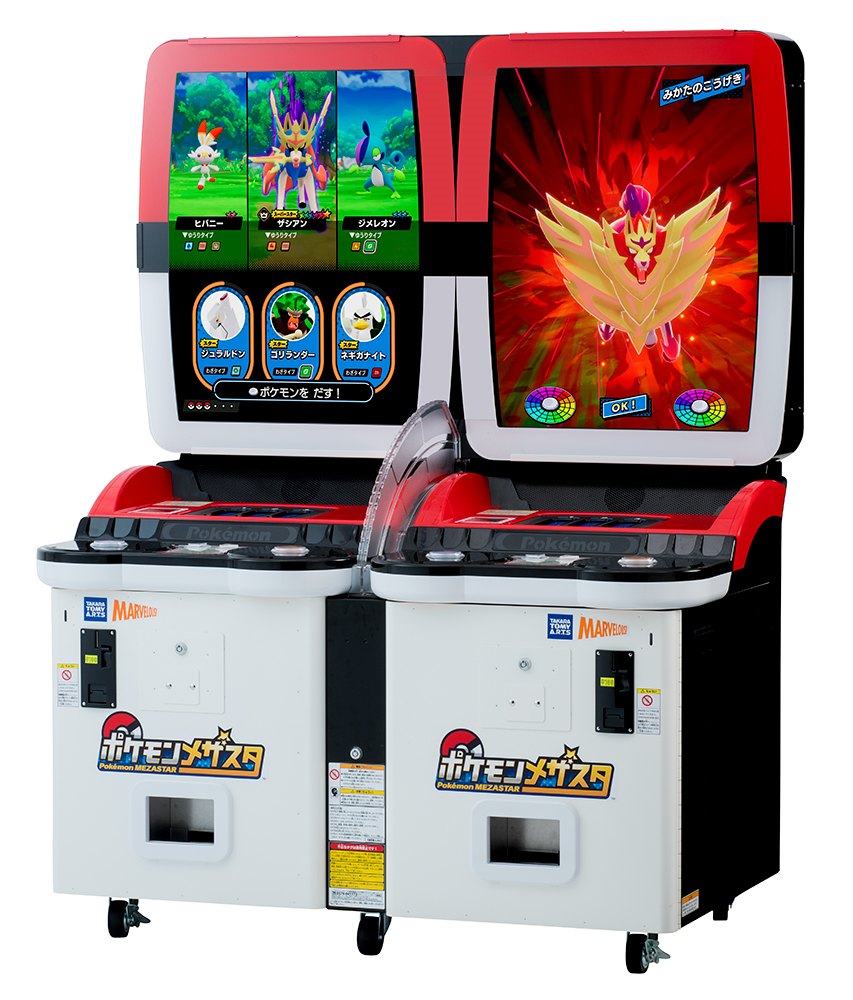 Pokémon Mezastar is a children’s arcade machine from Takara Tomy A.R.T.S. and Marvelous, the partnership behind Pokémon Battrio, Pokémon Tretta and Pokémon Ga-Olé. It opened in Japan on 17 September 2020, a little later than planned because of the pandemic, and ran for almost four years and 19 sets before Pokémon Frienda took its place from July 2024. Every cabinet is a twin unit, with two play stations side by side under one wide monitor, and the thing everybody queues up for is the tag: a flat, stadium-shaped plastic token whose QR code the machine reads as it slides along a lane.
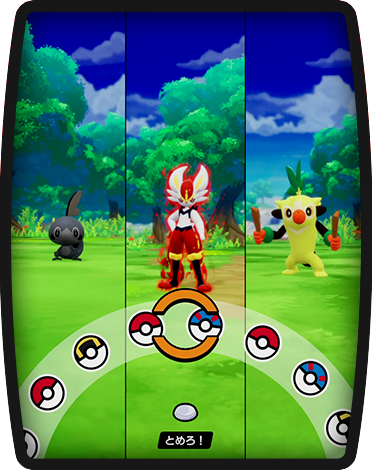
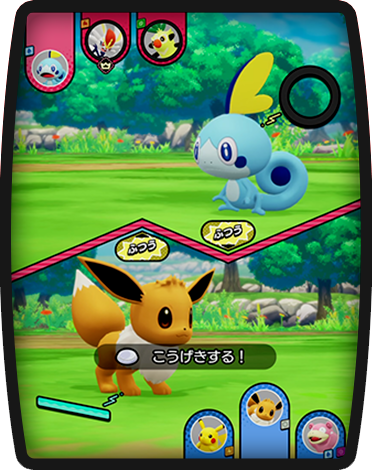
In Japan each game cost ¥100. The player picks one of three areas, lines up as many as three tags against a boss Pokémon and its two companions, and spends three to five turns hammering buttons to charge the Attack Roulette and fill each wild Pokémon’s Get Gauge. A weakened Pokémon can then be caught for another ¥100 a throw, and every catch drops out of the machine as a brand-new tag. Tags are graded from 2 to 6, and the Grade 5 Star and Grade 6 Superstar Pokémon, most of them legendary or mythical, are the ones every child is after. A Memory tag saves progress, raises Partner Pokémon and unlocks Trainer battles, and every so often two neighbouring players are swept into a joint Special Tag Battle across the shared screen.
Mezastar belongs to the Sword and Shield and Scarlet and Violet era, and it took on each big battle gimmick in turn, from Mega Evolution and Z-Moves to Dynamax and finally Terastal, alongside inventions of its own: Super Tag attacks, Double Moves and Chain Attacks. It passed 100 million plays in 451 days, far quicker than Tretta or Ga-Olé had managed. When the Japanese run ended, its Meteor Mark tags found a use in Frienda, and the machine itself began a second life across Asia in April 2025, reaching South Korea, as Pokémon Tagstar, in April 2026.
Pokémon MEZASTAR is a Pokémon arcade game that lets kids and parents step into the role of a real Pokémon Trainer.
— Official description (Timezone Singapore)
Quick Answers
The questions people ask most about Pokémon Mezastar, answered first and explained further down the page.
Can you still play Pokémon Mezastar in 2026?
Not in Japan. The last set arrived on 18 April 2024, and arcades swapped their machines for Pokémon Frienda from July 2024. Elsewhere in Asia it is still going strong, with machines in Hong Kong, Singapore, Malaysia, Indonesia, Taiwan, mainland China, the Philippines, South Korea, Vietnam and India, but it has never been released in the UK, Europe or North America. More →
How much does a game of Mezastar cost?
In Japan a game cost ¥100, and so did each attempt to catch a weakened Pokémon and each throw in Get Now! mode. A Memory tag for saving progress was ¥200. Prices abroad are set locally: at Timezone in Singapore, for instance, five credits cost S$10. More →
How do you get Mezastar tags?
By catching them. Battle a wild Pokémon until its Get Gauge is full, pay for a throw at Get Time! and, if the ball holds, the machine dispenses that Pokémon as a physical tag; paying always guarantees at least one catch. Starter sets were sold in shops too, and promotional tags were given away in campaigns such as the launch Dash Campaign. More →
What do the star grades on Mezastar tags mean?
They show rarity and strength. Grades 2, 3 and 4 are everyday Pokémon on red, blue and yellow tags styled after the Poké Ball, Great Ball and Ultra Ball. Grade 5 Star Pokémon come on purple, Master Ball-style holofoil tags, and Grade 6 Superstar Pokémon, mostly legendaries, on black glitter tags with a rainbow design. More →
Does Mezastar have Dynamax and Terastal?
Yes, both. Dynamax and Gigantamax arrived with Set 3 in February 2021 and Terastal tags with Gorgeous Star set 1 in July 2023, joining Mega Evolution and Z-Moves, which had been there since launch. Each gimmick can be used once per game, and the separately sold Dynamax Band and Tera Orb improve the odds of a good result. More →
Can Mezastar tags be used in Pokémon Frienda?
Partly. Pokémon Frienda’s first set accepted Grade 5 and Grade 6 Mezastar tags bearing a Meteor Mark, which call in Support Pokémon rather than joining the team, so a player’s best tags kept a use after the switch. Mezastar had done the same for its own predecessor: its first set took Meteor Mark disks from Pokémon Ga-Olé’s last set. More →
What is a Memory tag?
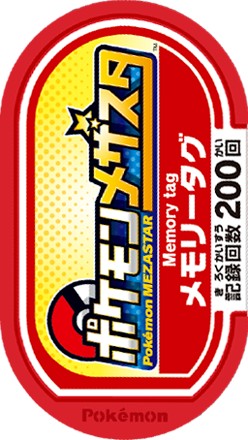
A red save tag bought from the machine for ¥200. It stores a player avatar and up to 200 saves, raises Partner Pokémon with Star Points, unlocks the strongest Trainers and links to the online Mezastar Club, which keeps records and hands out Support Pokémon Tickets, Battle Tickets and Dress-up Items. There was also a Trial version good for ten saves. More →
What replaced Pokémon Mezastar?
Pokémon Frienda, from the same companies. It was announced on 15 April 2024 and launched in Japan on 11 July 2024, swaps tags for Frienda Picks and reached 100 million plays in 273 days, against Mezastar’s 451. The Mezastar TV YouTube channel became Pokémon Frienda TV on 31 May 2024. More →
Mezastar tags and the sets
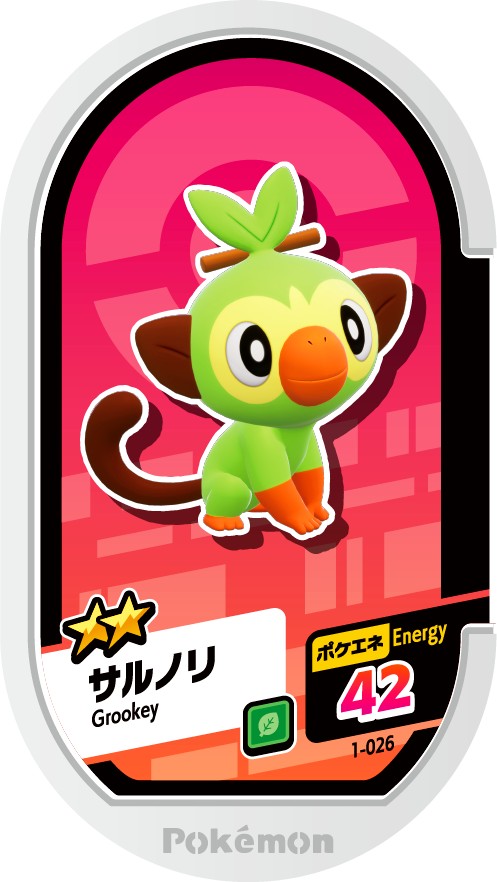
The tag is the whole point of Mezastar. Every catch drops a fresh one out of the cabinet, and its QR code carries everything the machine needs to send that Pokémon into battle. Japan had 19 sets in all, arriving every two to three months in four series, and from the second series on, each one came with a new kind of tag and a new battle trick.
A tag is a small slab of plastic, 36 by 64 millimetres and 3.5 millimetres thick, with the Pokémon’s artwork on the front and a QR code holding its type, stats and move. Each one is numbered by set, so Grookey’s Set 1 tag is 1-026, and the colour scheme and star marks show its grade at a glance.
- 19sets in Japan, 2020–2024
- 4series: the original, Super Tag, Double Chain and Gorgeous Star
- 1,424numbered tags across the sets
- 70–84tags in each set
Grades
Grades run from 2 to 6. Grades 2 to 4 are the everyday tags, with portrait artwork and colour bands borrowed from Poké Balls; the two top grades are the prizes. The early sets, each 70 tags strong, split like this:
| Grade | Colour scheme | Tags per set (early sets) |
|---|---|---|
| Grade 2 | Red, after the Poké Ball | 14 |
| Grade 3 | Blue, after the Great Ball | 14 |
| Grade 4 | Yellow, after the Ultra Ball | 17 |
| Grade 5: Star Pokémon | Purple, after the Master Ball, with landscape artwork and holofoil | 15 |
| Grade 6: Superstar Pokémon | Black glitter plastic with a rainbow scheme | 10 |
 Grade 2
 Grade 3
 Grade 4
 Grade 5: Star Pokémon
 Grade 6: Superstar Pokémon
Special tags
Tags for the battle gimmicks carry marks of their own: Mega Evolution, Z-Move, Dynamax and Terastal tags, plus Mezastar’s own Super Tags, Double Move tags and Chain tags. What each one does is explained under Battle gimmicks.
The 19 Japanese sets
Mezastar ran through four series in Japan: four sets of the original Pokémon Mezastar, then five each of Super Tag, Double Chain and Gorgeous Star. The first five sets had 70 numbered tags each; Legacy, Gorgeous and Ultra Beast tags pushed later sets as high as 84, for 1,424 numbered tags in all. Every set, with some of its Superstar headliners and what it added:
| Set | Japanese name | Started | Tags | Some of the Superstars | What was new |
|---|---|---|---|---|---|
| Set 1 | ポケモンメザスタ 1弾 | 17 September 2020 | 70 | Zacian, Zamazenta, Kyogre, Groudon, Rayquaza | Launch set: Mega Evolution and Z-Moves; Ga-Olé Meteor Mark disks accepted as Support Pokémon |
| Set 2 | ポケモンメザスタ 2弾 | 26 November 2020 | 70 | Mewtwo, Mew, Zygarde, Darkrai, Keldeo | Trainer and Battle |
| Set 3 | ポケモンメザスタ 3弾 | 10 February 2021 | 70 | Reshiram, Zekrom, Kyurem, Lugia, Diancie | Dynamax and Gigantamax |
| Set 4 | ポケモンメザスタ 4弾 | 22 April 2021 | 70 | Eternatus, Xerneas, Yveltal, Giratina, Calyrex | Battle Tickets, Dress-up Items, Present Tickets and Trade Chance! |
| Super Tag set 1 | スーパータッグ1弾 | 8 July 2021 | 70 | Solgaleo, Lunala, Urshifu, Ho-Oh | Super Tag attacks; Ash, Goh and Team Rocket as opponents |
| Super Tag set 2 | スーパータッグ2弾 | 16 September 2021 | 73 | Galarian Articuno, Zapdos and Moltres, Kyurem, Zeraora | Legacy tags and the Superstar Sensor |
| Super Tag set 3 | スーパータッグ3弾 | 25 November 2021 | 73 | Dialga, Palkia, Regigigas, Xerneas, Yveltal | Weekly Stamps, Memory tag Missions and Double Star Points |
| Super Tag set 4 | スーパータッグ4弾 | 10 February 2022 | 73 | Arceus, Giratina, Calyrex, Zygarde, Latias, Latios | Trainer Tag Battle, from 24 February 2022 |
| Super Tag set 5 | スーパータッグ5弾 | 21 April 2022 | 73 | Rayquaza, Mewtwo, Eternatus, Naganadel, Zarude | The Special Training from Mr. J! ranked campaign |
| Double Chain set 1 | ダブルチェイン1弾 | 7 July 2022 | 75 | Zacian, Zamazenta, Solgaleo, Lunala, Hisuian Zoroark | Double Move and Chain Attack; Masters Eight opponents |
| Double Chain set 2 | ダブルチェイン2弾 | 15 September 2022 | 73 | Lugia, Ho-Oh, Primal Kyogre, Primal Groudon, Raikou, Entei, Suicune | Leon, Cynthia, Lance and Steven; an eight-player Tournament |
| Double Chain set 3 | ダブルチェイン3弾 | 22 November 2022 | 75 | Xerneas, Yveltal, Eternatus, Marshadow, Melmetal | Double Move on legendary Grade 6 tags; Mezastar TV Tag Battle Rush |
| Double Chain set 4 | ダブルチェイン4弾 | 9 February 2023 | 73 | Dialga, Palkia, Kleavor, Reshiram, Zekrom | Star Trainer Tournament, 9 March to 19 April 2023 |
| Double Chain set 5 | ダブルチェイン5弾 | 20 April 2023 | 75 | Rayquaza, Deoxys, Giratina, Galarian legendary birds | Deoxys Emblem stamp event |
| Gorgeous Star set 1 | ゴージャススター1弾 | 6 July 2023 | 84 | Koraidon, Miraidon, Lugia, Ho-Oh, Reshiram, Zekrom | Terastal and Gorgeous tags; Pokémon Horizons Trainers; Mezastar City venues |
| Gorgeous Star set 2 | ゴージャススター2弾 | 14 September 2023 | 82 | Nihilego, Guzzlord, Stakataka, Armarouge, Ceruledge | Ultra Beast tags |
| Gorgeous Star set 3 | ゴージャススター3弾 | 22 November 2023 | 82 | Necrozma, Dialga, Palkia, Darkrai, Celesteela, Kartana | Ultra Burst Chance!; Super Tag on Grade 6 tags |
| Gorgeous Star set 4 | ゴージャススター4弾 | 8 February 2024 | 83 | Koraidon, Miraidon, Arceus, Solgaleo, Lunala, Buzzwole | Terastallised legendaries; Mezastar Battle Tournament |
| Gorgeous Star set 5 | ゴージャススター5弾 | 18 April 2024 | 80 | Calyrex, Zacian, Zamazenta, Mewtwo, Mew, Rayquaza, Giratina | The final set: every gimmick on a legendary or mythical Pokémon; double Star Points; Thank You Campaign |
Outside Japan the sets are different again. The international edition that opened across Asia in April 2025 has its own sequence of series, starting with Stardust and Galaxy, so its tags do not match the Japanese numbering; see Regional Variations.
Gameplay
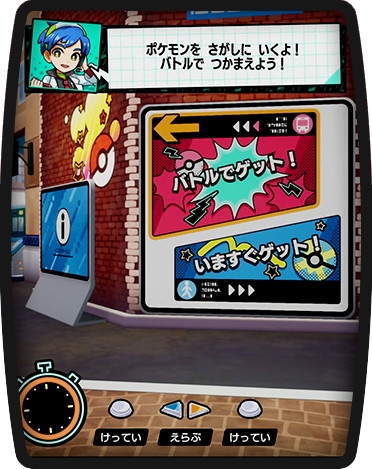
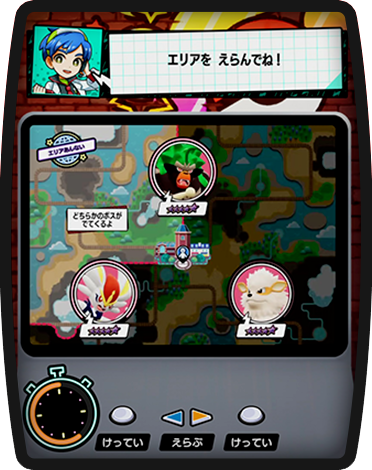
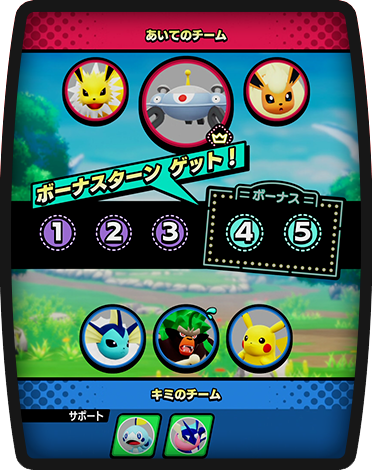
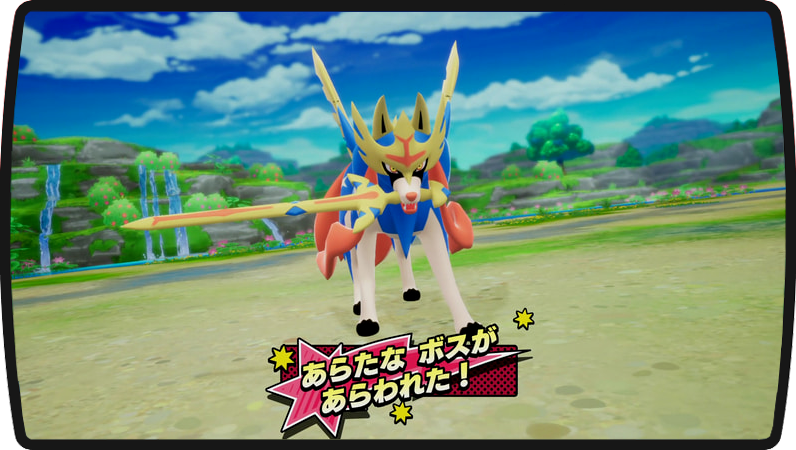
Mezastar is built so that a five-year-old can pick it up in seconds, but there is more going on than button mashing. Both modes, Get in Battle! and the battle-free Get Now!, start from a hub where the player chooses what to play. The names used here translate the Japanese machine’s; on the English-language machines in Asia the two modes are Battle and Catch! and Catch now!
The cabinet
Get in Battle!
Get Now!
Playing together
Memory tags and the Mezastar Club
Battle gimmicks
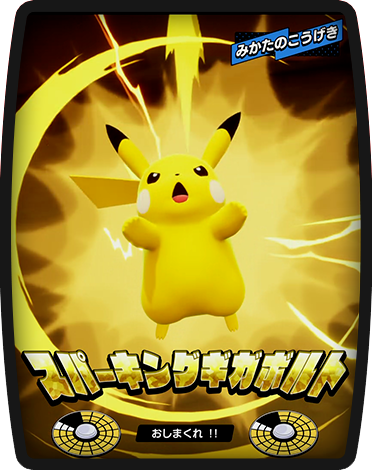
Mezastar folded in the main series’ big battle gimmicks as it went, from Mega Evolution to Terastal, and invented a few of its own. Each needs a tag carrying the right mark, can be used once per game, and either powers up the Attack Roulette or swaps it for a signature move.
What it costs
Mezastar is strictly pay as you go. What things cost in Japan:
| What | Price | Notes |
|---|---|---|
| A game | ¥100 | Starts Get in Battle! or Get Now! |
| A Get Time! throw | ¥100 | Each attempt to catch a weakened Pokémon; at least one catch is guaranteed when paying |
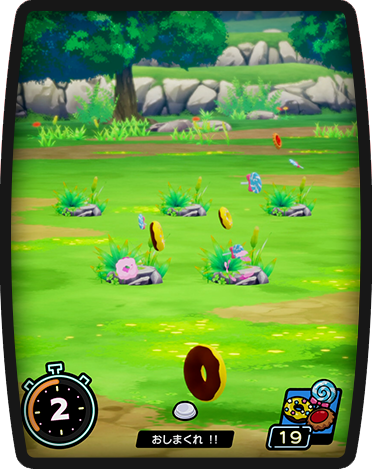
| A Get Now! throw | ¥100 | One Quick Ball at a patch of grass |
| Memory tag | ¥200 | Bought from the machine; holds 200 saves (a Trial version held ten) |
| Starter set | ¥500 before tax | Rillaboom, Cinderace and Inteleon tags plus a Memory tag |
| Mezastar Box | ¥1,000 | Storage for 24 tags |
| Mezastar Binder | ¥1,000 | Holds 48 tags |
| Dynamax Band and Tera Orb | Sold separately | Improve the starting odds of the Dynamax Chance! and Terastal Chance! roulettes |
Overseas machines are priced locally, and some of them work a little differently; see Regional Variations.
Trainers & opponents
Mezastar has no story, but it built up quite a cast. Trainers first appeared with Set 2’s Trainer and Battle, every set after that brought its own line-up, and the heroes of the anime dropped in as guests, from Ash and Goh to the leads of Pokémon Horizons.

Mezastar Navigators
Masato, Ai, Sakura and J presented Mezastar TV, the official weekly YouTube show, and stepped into the machine as well. Sakura could be battled with a Battle Ticket in Super Tag set 1 and ran a ranked score challenge of her own, J fronted the Special Training from Mr. J! campaign in Super Tag set 5, and later sets offered tag battles and, in the final set, medal battles against all four.

Star Trainers
Every set’s five Trainer and Battle opponents built up to a Star Trainer, the strongest of the five and open only to Memory tag holders. Masahito held the title in Set 3, Nobure in Super Tag set 1 and Hasas in Double Chain set 1, and others included Takeru, Momoka, Atla, Tarmo and Ishuta. Several came back in pairs for limited Trainer Tag Battles, often with clothing for the player’s avatar as the prize.

Ash
Ash Ketchum joined Mezastar with Super Tag set 1 as a random challenger, part of a tie-in with Pokémon Journeys that also put anime-themed tags in the set. He was back in Double Chain set 1 as one of the Masters Eight, and in the summer of 2022 a ranked tag battle against Ash and Leon offered Charizard T-shirts for the avatar.

Goh
Goh, Ash’s research partner in Pokémon Journeys, arrived with him in Super Tag set 1. Like Ash, he had no fixed slot in the line-up: he could interrupt any session of Get in Battle! at random as a surprise Trainer and Battle opponent.

Team Rocket
Jessie, James and Meowth could ambush players in Super Tag set 1, one of nine possible Trainer and Battle opponents in that set alongside its five regulars, Ash, Goh and Navigator Sakura. Like the other anime guests, they turned up at random rather than to a timetable.
Later sets brought in more guests from the anime:
- The Masters Eight: Double Chain set 1 brought in Ash, Alain, Diantha and Iris from the Masters Eight of Pokémon Journeys, and Double Chain set 2 added Leon, Cynthia, Lance and Steven. The second set also held an eight-player knockout Tournament for Memory tag holders, from 27 October to 21 November 2022, modelled on the anime’s Masters Eight Tournament.
- Liko and Roy: The two leads of Pokémon Horizons: The Series could challenge players from Gorgeous Star set 1 as three-star Trainers. Beating them earned no trophy or clothing, but the player could take home a tag of one of their Pokémon.
- Friede and Amethio: Friede, captain of the Rising Volt Tacklers, appeared in the same set as a tougher four-star challenger, and Amethio of the Explorers, the anime’s antagonists, was among that set’s Trainers too.
Opponents set by set
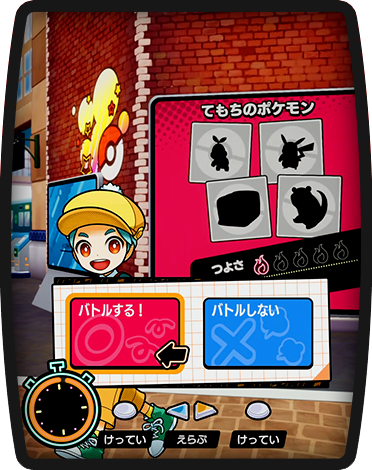
A selection of the opponents, set by set. Regular Trainers cut into Get in Battle!, Battle Ticket opponents are called up with a ticket, and Trainer Tag Battles pit two players against a pair:
| Set | Opponent | Battle | Prize and notes |
|---|---|---|---|
| Set 3 | Smart Shopper Fuyuko, Bodybuilder Makoto, Fashionable Girl Mizuha, Rumoured Trainer Hiroki and Star Trainer Masahito | Trainer and Battle | The set’s five regulars. Masahito, the strongest, is only for Memory tag holders; wins earn trophies |
| Super Tag set 1 | Star Trainer Nobure | Trainer and Battle | Heads a line-up of a Courier, a Fledgling Trainer, an Intelligent Lady and a Fishing Girl |
| Super Tag set 1 | Mezastar Navigator Sakura | Battle Ticket | Her ranked Challenge from Sakura! ran from 28 August to 15 September 2021; the top 100 scorers were sent a certificate by post |
| Super Tag set 1 | Ash, Goh and Team Rocket | Anime guests | Random challengers from Pokémon Journeys, making nine possible Trainers in the set |
| Super Tag set 4 | Star Trainer Takeru and Junior Trainer Hotaka | Trainer Tag Battle | The first tag battle pair, from 24 February 2022: three rounds, six Pokémon a side, in Memory tag mode |
| Double Chain set 1 | Star Trainer Hasas | Trainer and Battle | Tops Hot-Blooded Teacher Ryoma, Bug Catcher Girl Yoshika, Mountaineer Toshiyuki and Tour Guide Natsuki |
| Double Chain set 1 | Ash, Alain, Diantha and Iris | Masters Eight guests | Random special opponents, alongside the regulars and limited campaign battles |
| Double Chain set 1 | Star Trainer Hitomi | Battle Ticket | Tickets handed out at Namco arcades from 28 July to 21 November 2022; an Eternatus T-shirt for the avatar |
| Double Chain set 1 | Ash and Leon | Ranked Trainer Tag Battle | 30 July to 24 August 2022; Charizard T-shirts as prizes |
| Double Chain set 2 | Leon, Cynthia, Lance and Steven | Masters Eight guests | The second wave of champions, in the set that held the eight-player Tournament |
| Gorgeous Star set 1 | Liko, Roy and Friede | Pokémon Horizons guests | Three stars for Liko and Roy, four for Friede; the prize is a tag of one of their Pokémon |
| Gorgeous Star set 1 | Star Trainers Tarmo and Ishuta | Trainer Tag Battle | 20 July to 16 August 2023, with a jacket for the avatar; a Masato and Sakura tag battle followed |
| Gorgeous Star set 5 | Star Trainers Hasas and Momoka | Trainer Tag Battle | One of the last tag battles in Japan, with headwear as the prize, held alongside medal battles against the four Navigators |
 Mezastar Navigator Sakura
Pokémon
Mezastar’s 1,424 numbered tags span all nine generations, from the Kanto starters to Koraidon, Miraidon, the Paradox Pokémon and Terapagos, and legendary and mythical Pokémon fill most of the Superstar slots. Many headliners came round more than once as the sets went by, often in a new form or with a new gimmick.
Pikachu was a Superstar from the start, with a Z-Move in Set 1 and a Gigantamax tag once Dynamax arrived, and Charizard had Mega Evolution and Gigantamax tags before becoming one of the first Gorgeous tags in Gorgeous Star set 1. Calyrex’s Ice Rider and Shadow Rider forms were Superstars from Set 4, and both were Support Pokémon Tickets when Super Tag set 1 began. Dialga and Palkia headlined Super Tag set 3, timed with Brilliant Diamond and Shining Pearl, and Nihilego, Guzzlord and Stakataka launched the Ultra Beast tags in Gorgeous Star set 2. The Paldea legendaries Koraidon and Miraidon were Superstars in Gorgeous Star set 1 and came back in Terastallised form in set 4.
 PikachuSet 1 Superstar, Z-Move
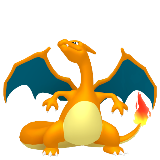 CharizardMega and Gigantamax tags
 CelebiShiny Star tag, Set 1
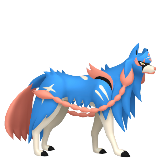 ZacianSet 1 headliner
 ZamazentaSet 1 headliner
 EternatusTwo Superstars in Set 4
 CalyrexRider Superstars from Set 4
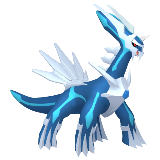 DialgaSuper Tag set 3 headliner
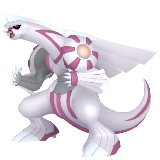 PalkiaSuper Tag set 3 headliner
 NecrozmaUltra Burst, Gorgeous Star set 3
 NihilegoThe first Ultra Beast tag
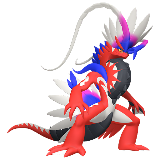 KoraidonGorgeous Star set 1 Superstar
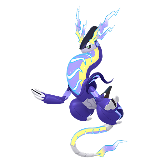 MiraidonGorgeous Star set 1 Superstar
 TerapagosShields a Pokémon, from December 2023
Partner Pokémon
Each set named three unevolved Partner Pokémon for Memory tag holders to raise with Star Points, and the first trio was the Galar starters:
 GrookeyLaunch Partner; tag 1-026
 ScorbunnyLaunch Partner
 SobbleLaunch Partner
Events & milestones
Set start dates are in the table above. Between them Mezastar kept up a steady flow of campaigns, tournaments and milestones; these are the main ones of the Japanese run:
2020 and 2021
| Date | What happened |
|---|---|
| 17 September 2020 | Launch in Japan with Set 1; Bandai Namco’s Mezastudio Kawasaki opens the same day |
| 19 September 2020 | The Dash Campaign for primary-school children begins |
| 20 September 2020 | Mezastar TV posts its first video on YouTube |
| October 2020 | More than ten million tags shipped in about a month |
| 31 March 2021 | Tag shipments pass 30 million |
| 28 August – 15 September 2021 | Challenge from Sakura!, a ranked score challenge |
| 21 October 2021 | Legacy tags start appearing as bosses in Get in Battle! and in Get Now! |
| 14 December 2021 | Takara Tomy A.R.T.S. announces 100 million plays in 451 days |
2022 and 2023
| Date | What happened |
|---|---|
| 24 February 2022 | Trainer Tag Battle begins, against Star Trainer Takeru and Junior Trainer Hotaka |
| 28 July – 21 November 2022 | Battle Tickets for Star Trainer Hitomi handed out at Namco arcades |
| 30 July – 24 August 2022 | Ranked Trainer Tag Battle against Ash and Leon |
| 27 October – 21 November 2022 | Eight-player Tournament for Memory tag holders |
| 9 March – 19 April 2023 | Star Trainer Tournament |
| 6 July 2023 | Mezastar City venues open in all 47 prefectures with Gorgeous Star set 1 |
| 20 July – 16 August 2023 | Limited Trainer Tag Battle against Star Trainers Tarmo and Ishuta |
| 19 October 2023 | The Ultra Beast Mark: an Ultra Beast can replace a wild opponent |
| 15 December 2023 | Terapagos joins Get in Battle! |
2024: the end in Japan
| Date | What happened |
|---|---|
| 15 April 2024 | Pokémon Frienda announced as the successor |
| 18 April 2024 | The final set, Gorgeous Star set 5, begins |
| 31 May 2024 | Mezastar TV becomes Pokémon Frienda TV |
| 11 July 2024 | Pokémon Frienda launches and starts replacing Mezastar machines store by store |
| 31 July 2024 | Customer support for Mezastar in Japan ends |
Regional Variations
Outside Japan, Mezastar arrived only after the Japanese machines had gone. An international edition, promoted by Marvelous’s subsidiary in Singapore and its base in China, opened across Asia from April 2025, with partners such as Timezone in Singapore, SEGA Taiwan and Quantum Amusement in the Philippines. Where and when it launched:
| Launch | Where | Notes |
|---|---|---|
| 1 April 2025 | Hong Kong, Indonesia, Malaysia and Singapore | The first wave, as Pokémon MEZASTAR |
| 2 April 2025 | Taiwan and mainland China | In Taiwan as 寶可夢明耀之星 (Bǎokěmèng Míngyào zhī Xīng) |
| December 2025 | The Philippines | Through Quantum Amusement. Mezastar followed Pokémon Tretta there directly, as Ga-Olé was never released in the country |
| 13 April 2026 | South Korea | As Pokémon Tagstar (포켓몬 태그스타), nine months after the July 2025 launch Marvelous had planned |
| May 2026 | Vietnam | – |
| June 2026 | India | – |
The international edition also differs from the Japanese original in several ways:
- The international machines run their own series rather than the Japanese sets: the Stardust series, in four Versions, then the Galaxy series, in three, and further series after that, each with Regular Special Tags never issued in Japan. Taiwan’s first wave held 73 tags.
- English-language machines have their own names for the modes and phases: Battle and Catch!, Catch now!, Catch Time and the Catch Gauge, and the tags are Meza Tags.
- In Singapore a Trainer ID adds an extra Master Ball to the Ball Roulette and enters the player in Battle Score rankings, and Timezone sells five MEZASTAR Credits for S$10.
- Taiwanese machines take EasyCard, iPass and icash cards, and turning a caught Pokémon into a tag costs NT$30.
Videos & media
Six official videos: the how-to-play film, both theme songs, two series trailers and a first look at the final set.
The official how-to-play film for the original machine, from The Pokémon Company’s Japanese channel.
The music video for Hyadain’s theme song, Behold! Pokémon Mezastar!!
The trailer for Super Tag set 1, the set that brought in tag attacks.
Double Chain set 1’s trailer, showing off Double Moves and Chain Attacks.
The music video for the Gorgeous Star series’ own theme song.
The Mezastar Navigators try out the final set, Gorgeous Star set 5, ahead of its release.
Trivia & facts
- Mezastar was the first arcade machine from Takara Tomy A.R.T.S. and Marvelous to use a twin cabinet. Putting two stations under one monitor is what makes the Special Tag Battle possible, as a Superstar can burst across the screen and pull whoever is at the next station into the same fight.
- Bandai Namco Amusement opened Mezastudio Kawasaki, a dedicated Mezastar venue at namco Lazona Kawasaki, on launch day. With 16 machines and 32 play stations, it had more Mezastar machines than any other namco arcade.
-
The Double Chain set 1 logo. Each series is named after the trick it introduced: Super Tag after its tag attacks, Double Chain after Double Moves and Chain Attacks, and Gorgeous Star after its premium Gorgeous tags.
-
Gorgeous Star set 5, the last Japanese set. The final Japanese set, Gorgeous Star set 5, was a send-off: it put every gimmick in the game, from Mega Evolution to Terastal, on a legendary or mythical Pokémon, doubled Star Points and ran a Thank You Campaign.
- Zacian and Zamazenta bookended the Japanese run. The Crowned Pokémon headlined Set 1 in September 2020, returned in Double Chain set 1 and were Superstars again in the very last set.
- The Dash Campaign that began two days after launch gave primary-school children a free Pikachu tag, a sample Memory tag, a starter book and a how-to-play DVD.
- Set 1 included a Shiny Celebi Star tag, and Set 2 followed it with a Shiny Celebi Support Pokémon Ticket.
- Eternatus had two different Superstar tags in Set 4 alone, became a Double Move user in Double Chain set 3 and was offered as a Support Pokémon Ticket in Gorgeous Star set 1.
- From 15 December 2023, Terapagos could appear during Get in Battle! and shield one of the player’s Pokémon from damage, a helper rather than an opponent.
Legacy
What came after
- Announcement – May 2020. Revealed in CoroCoro Comic with a summer 2020 launch in mind, then delayed by the pandemic
- Japanese launch – 17 September 2020. Set 1 goes live and Mezastudio Kawasaki opens
- Super Tag series – 8 July 2021. The first change of series, adding Super Tag attacks and anime guest Trainers
- 100 million plays – 14 December 2021. Reached in 451 days, against about 600 for Tretta and 800 for Ga-Olé
- Double Chain series – 7 July 2022. Double Move and Chain tags arrive, along with the Masters Eight
- Gorgeous Star series – 6 July 2023. Terastal and Gorgeous tags and the Pokémon Horizons Trainers
- Final Japanese set – 18 April 2024. Gorgeous Star set 5 begins, three days after Frienda is announced
- Pokémon Frienda – 11 July 2024. The successor launches and replaces Mezastar machines store by store; customer support for Mezastar ends on 31 July
- Launch across Asia – 1 April 2025. Hong Kong, Indonesia, Malaysia and Singapore, then Taiwan and mainland China a day later
- Pokémon Tagstar – 13 April 2026. The South Korean launch, about nine months later than first planned; Vietnam and India followed in May and June
Where to play it today
Pokémon Mezastar can no longer be played in Japan. Its final set, Gorgeous Star set 5, arrived on 18 April 2024, Pokémon Frienda began replacing the machines store by store from 11 July 2024, and customer support ended on 31 July 2024. Japanese tags still change hands second-hand, and Frienda’s first set gave Grade 5 and 6 tags bearing a Meteor Mark a new job as Support Pokémon. Elsewhere in Asia the game is very much alive: as of October 2026 its international edition runs in Hong Kong, Singapore, Malaysia, Indonesia, Taiwan, mainland China, the Philippines, South Korea, Vietnam and India, with series of its own. It has never been released in the UK, Europe or North America, and there is no home version.
How it was made
Mezastar was the fourth Pokémon arcade series from Takara Tomy A.R.T.S. and Marvelous, after Battrio, Tretta and Ga-Olé. It was revealed in CoroCoro Comic in May 2020 with a summer launch in mind, but the COVID-19 pandemic pushed it back to 17 September 2020, by which time Ga-Olé was being wound down in Japan.
Two ideas set it apart from Ga-Olé. The shared monitor let players at neighbouring stations merge their screens for cooperative battles, and Ga-Olé’s round disks gave way to flat tags with QR codes. The launch had a showcase venue in Bandai Namco Amusement’s Mezastudio Kawasaki, and Mezastar TV on YouTube went on to promote every set that followed.
Mezastar beyond the machine
Popularity & reception
Plays and tags
Mezastar is measured in plays and tags rather than copies sold. More than ten million tags were shipped within about a month of launch and over 30 million by 31 March 2021, and on 14 December 2021 Takara Tomy A.R.T.S. announced that the machine had passed 100 million plays, counting one play for every coin inserted, in 451 days. Pokémon Tretta had needed about 600 days to reach the same mark and Pokémon Ga-Olé about 800, though Mezastar’s own successor, Pokémon Frienda, has since done it in 273.
- 100mplays in 451 days (December 2021)
- 10m+tags shipped in the first month
- 30m+tags shipped by 31 March 2021
- 10countries and regions in Asia since 2025
What the makers said
Like the other Pokémon kids’ arcade machines, Mezastar was sold to game centres rather than reviewed, so it has no critics’ scores; the business results tell the story instead. In its results for the year to March 2022, Marvelous said Mezastar had “非常に好調な売上を記録” (recorded very strong sales), and the company went on to give its arcade games a business segment of their own. When the international edition opened in April 2025, Marvelous reported that it had “好調なスタートを切っている” (got off to a strong start).
With no review scores to go on, Mezastar’s reception is best read in its numbers, and for a machine aimed at children of four to eight they were outstanding. Its makers singled out the cooperative Special Tag Battle, in which neighbouring players team up on the shared screen, as a particular draw. Mezastar beat Tretta and Ga-Olé to 100 million plays by a wide margin, made a strong start abroad in 2025 and set the pace that Frienda, its own successor, has since beaten.
Further reading
More Pokémon arcade games on the site: