  |
|
| Games on this page | 13: ten medal and kids’ games plus three others Dance! Pikachu · Pikachu’s Great Surfing Adventure · Pokémon: Crayon Kids · Wobbuffet Fell Down! · Get Round and Round · Tug of War Tournament · Medal World · Battle Nine · Mega Get! · Corogarena · Print Club Pokémon B · Card Game Gacha · Pokémon Spot |
| Hardware | Prize machines, medal games and video medal cabinets; a ball-throwing card game; a Print Club sticker-photo booth on Sega’s ST-V board; a card dispenser |
| Makers | Banpresto · Sammy · Sega · Namco Bandai Games / Bandai Namco · Takara Tomy A.R.T.S. · Atlus · Wahlap |
| Years | 1999–2022 · Pokémon Spot announced in 2026 |
| Regions | Japan · North America (Print Club Pokémon B) · mainland China (Pokémon Spot, announced) |
| Cost to play | ¥100 for the prize machines and Card Game Gacha · ¥200 for the Mega Get! Nagetore BOX · arcade medals for the medal games |
| Status today | Most long out of production; Corogarena and the Mega Get! Nagetore BOX, both from 2022, are the latest; Pokémon Spot not yet released; none ever released for home consoles or phones |
| See also | Pokémon arcade games overview |
Overview
 Long before Pokémon Ga-Olé and Pokémon Mezastar took over the kids’ corners of Japanese shopping-centre arcades, Pokémon had already found a home in a quieter part of the games floor: the coin-operated amusements and medal machines made for young children and their families. This page rounds up those smaller machines, from a dancing Pikachu figure under a plastic dome in 1999 to Sega’s ball-rolling medal game Pokémon Corogarena in 2022. None of them ever came to a home console, and nearly all of them stayed in Japan.
They came from the big names of Japanese amusement. Banpresto, later part of the Bandai Namco group, built the early prize machines and several medal games; Namco Bandai Games, now Bandai Namco, made bigger cabinets such as Pokémon Medal World and Pokémon: Battle Nine; Sega supplied the hardware for Pokémon: Crayon Kids and made Corogarena; Takara Tomy A.R.T.S. turned the Trading Card Game into a ¥100 mini-game; and Atlus and Sega put Pokémon frames into a Print Club sticker-photo booth that even made it to North America. Each machine followed the anime of its day, so the line-up runs from Ash’s first journey and the Orange Islands through Johto, the Advanced Generation, Black and White and XY to Sun and Moon and Pokémon Journeys.
They are worth knowing about because they show a side of the series that most fans outside Japan never saw. These were short, cheap, physical games: steering a Lapras figure down a scrolling river, colouring in a picture with a stylus and taking the print home, hammering a button to creep past Meowth, or watching medals settle on a slowly turning table of Pokémon prize areas. The older machines are now hard to find, and much of what is known about them comes from photographs, flyers and a handful of fan records. Pokémon’s bigger collect-and-battle arcade games, from Ga-Olé and Mezastar to Frienda, have pages of their own, gathered in the Pokémon arcade games overview.
Quick Answers
The questions people ask most about Pokémon’s medal and kids’ arcade games, answered first and explained further down the page.
Can I still play any of these Pokémon arcade games?
Only in Japan, and only where an arcade still has one. The most recent are Sega’s Pokémon Corogarena, launched in March 2022, and the Nagetore BOX edition of Pokémon Mega Get!, which went nationwide that October; the older machines have long been out of production. None of them has ever been released for home consoles or phones. More →
Did any of them come out in English?
Just one: Print Club Pokémon B, the Pokémon edition of Atlus and Sega’s sticker-photo booth, was sold in North America as well as Japan in 1999, with its own set of frames. Every other machine here was made for Japanese arcades, apart from Pokémon Spot, a game for mainland China from the arcade maker Wahlap that was announced in 2026. More →
What is a medal game?
A Japanese arcade machine played with tokens called medals instead of coins. You buy medals at the counter or from a machine, play to win more, and can leave any you don’t use in the arcade’s medal bank, but the law forbids swapping them for money or goods, or taking them out of the arcade. More →
How much did these games cost to play?
The coin-operated machines took ¥100 a go: Dance! Pikachu, Pikachu’s Great Surfing Adventure, Pokémon: Crayon Kids and Pokémon Card Game Gacha all charged that, while the Mega Get! Nagetore BOX costs ¥200. The medal games run on medals bought at the arcade; Wobbuffet Fell Down!, for instance, took one to five medals a game. More →
What prizes could you win?
The early machines paid out in paper: a Pokémon postcard after every song on Dance! Pikachu, an illustrated card for a good score on the surfing game and an A4 print of your own colouring on Crayon Kids. Card Game Gacha dispensed three real Trading Card Game cards, Mega Get! gives a collectable card every play, and the medal games pay out in medals. More →
Which is the oldest and which is the newest?
Print Club Pokémon B and Dance! Pikachu are the oldest here, both from 1999, with Dance! Pikachu reaching arcades in December. The newest released game is Sega’s Pokémon Corogarena, launched on 14 March 2022, though the Mega Get! Nagetore BOX followed that October. Pokémon Spot, announced for China in June 2026, still had no release date when it was shown that September. More →
Who made Pokémon medal games?
Mostly companies in the Bandai family. Banpresto released Dance! Pikachu, Wobbuffet Fell Down! and the tug-of-war game, and Namco Bandai Games, renamed Bandai Namco Games in 2014, built Get Round and Round, Medal World and Battle Nine. Sega made Corogarena and the hardware behind Crayon Kids, Sammy built the surfing game and Takara Tomy A.R.T.S. made the card machine. More →
How medal games work in Japanese arcades
Most of the machines on this page belong to one of two families of Japanese arcade game. Prize machines take a ¥100 coin and hand over something small, such as a postcard or a card. Medal games never pay out anything you can take home: you play with tokens called medals, win more medals and spend them on other machines. The rules come from Japan’s amusement business law and the industry’s own guidelines, which exist to keep arcades clearly apart from gambling.
Where each machine fits
Every game on this page that has reached the arcades, with the kind of machine it is, who made it, what a play cost and what came out:
| Machine | Kind | Maker | A play | What you won |
|---|---|---|---|---|
| Dance! Pikachu | Prize machine | Banpresto | ¥100 | A postcard after every song |
| Pikachu’s Great Surfing Adventure | Prize machine | Sammy, for Banpresto | ¥100 | A card for 30 points or more |
| Pokémon: Crayon Kids | Drawing machine | Banpresto, on Sega hardware | ¥100 | A print of your own picture |
| Wobbuffet Fell Down! | Kids’ medal game | Banpresto | 1 to 5 medals | 2 to 12 medals a fruit |
| Get Round and Round | Kids’ medal game | Namco Bandai Games | Medals | Up to 10 medals, or a jackpot of up to 99 |
| Tug of War Tournament | Kids’ medal game | Banpresto | 1 medal or more | Medals for every Pokémon pulled over |
| Medal World | Medal pusher | Namco Bandai Games | Medals | Up to a 500- or 1,000-medal jackpot |
| Battle Nine | Video medal game | Bandai Namco Games | Medals for each attack | Up to 1,000 medals for a Lv.20 Perfect Combo |
| Mega Get! | Ball-throwing card game | Bandai Namco | ¥200 (Nagetore BOX) | A card every play |
| Corogarena | Medal game | Sega | Medals | Up to 10 medals a catch, plus bonus rounds |
| Print Club Pokémon B | Sticker-photo booth | Atlus and Sega | – | A sheet of photo stickers |
| Card Game Gacha | Card dispenser | Takara Tomy A.R.T.S. | ¥100 | Three Trading Card Game cards |
Timeline
Every release and milestone on this page, in order. Some of the older machines can only be dated to the month or the year:
| Date | Game | What happened |
|---|---|---|
| 1999 | Print Club Pokémon B | The Pokémon sticker-photo booth goes on sale in Japan and North America |
| December 1999 | Dance! Pikachu | Arrives in Japanese arcades |
| 2000 | Pikachu’s Great Surfing Adventure | Released by Banpresto |
| July 2001 | Pokémon: Crayon Kids | The drawing machine is released |
| 2006 | Wobbuffet Fell Down! | The medal game is released |
| April 2010 | Get Round and Round | Launches with a yellow and a blue machine |
| 2010 | Tug of War Tournament | The medal game is released |
| March 2011 | Get Round and Round | Black and White aqua and red machines arrive |
| 15 September 2011 | Medal World | Unveiled at the 49th Amusement Machine Show |
| 17 January 2012 | Medal World | Namco Bandai announces that it is rolling out to arcades |
| 23 June 2014 | Card Game Gacha | Launches |
| 8 July 2014 | Battle Nine | Launches |
| Late 2015 | Mega Get! | Launches during the XY anime |
| 17 June 2016 | Card Game Gacha | The last new modes arrive, for the final supported expansions |
| December 2016 | Mega Get! | Updated for the Sun and Moon anime |
| December 2019 | Mega Get! | Updated for Pokémon Journeys |
| 28 October 2021 | Corogarena | A location test begins at Sega Makuhari |
| 14 March 2022 | Corogarena | Launches in arcades across Japan |
| 13 July 2022 | Corogarena | The first Pokémon update adds 53 Pokémon |
| September 2022 | Mega Get! | The Nagetore BOX starts an early run at namco arcades |
| October 2022 | Mega Get! | The Nagetore BOX rolls out nationwide |
| 20 September 2023 | Corogarena | Marill and other new Pokémon are added |
| 24 June 2026 | Pokémon Spot | Announced for mainland China |
| 10–12 September 2026 | Pokémon Spot | Shown at the 18th GTI China Expo in Guangzhou |
Dance! Pikachu
| At a glance | |
|---|---|
| Japanese title | おどって!ピカチュウ (Odotte! Pikachū) |
| Machine | Prize machine with a moving Pikachu figure under a clear dome |
| Maker | Banpresto |
| Released | December 1999 (Japan) |
| Price | ¥100 a play |
| Prize | A Pokémon postcard after every song |
| Status | Out of production; never released in any other form |
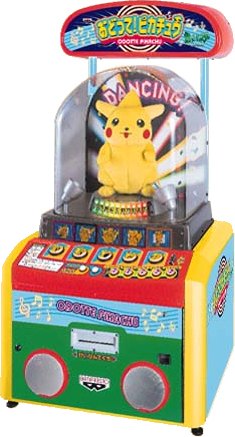
Dance! Pikachu was a Banpresto prize machine with a large Pikachu model sealed inside a clear plastic dome, which danced along to songs from the first Pokémon anime. The player picked a song with one of five big buttons, then chose a course with a pair of smaller ones: the blue Game Course or the orange Sound Play Course.
Either way, lit Pikachu prompts on the panel showed which buttons to press in time with the music, sometimes two or three at once, and the gaps between prompts generally tightened as the song went on. Good timing filled the Groovy Meter and kept the figure moving, but the machine was kind to beginners: whatever the meter showed at the end, it handed over a Pokémon postcard, so nobody walked away empty-handed.
 PikachuThe dancing figure
Pikachu’s Great Surfing Adventure
| At a glance | |
|---|---|
| Japanese title | ピカチュウのなみのり大冒険 (Pikachū no Naminori Daibōken) |
| Machine | Prize machine with a Lapras and Pikachu figure under a dome, steered with a wheel |
| Maker | Built by Sammy, released by Banpresto |
| Released | 2000 (Japan) |
| Price | ¥100 a play |
| Prize | An illustrated card for 30 points or more |
| Status | Out of production; never released in any other form |
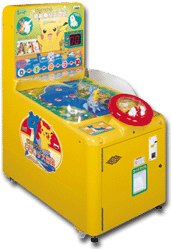
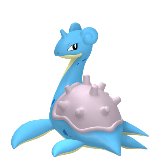
Pikachu’s Great Surfing Adventure was a small steering game that Sammy built and Banpresto released in 2000. It was themed on the Orange Islands part of the anime, when Ash and his friends crossed the sea on Lapras’s back: under a clear dome, a figure of Lapras carrying Pikachu sat on an illustrated river that rolled beneath it like a conveyor belt.
A steering wheel slid Lapras from side to side, and every Poké Ball printed on the course scored a point as Lapras passed over it. Bumping into land, a whirlpool or a Voltorb slowed the river down or stopped it altogether, which cost precious time in a game of about 90 seconds. Thirty points won a prize card and a far higher score a special prize. The machine arrived in the Generation II era, and its artwork shows those newer Pokémon, but the game itself goes back to the island-hopping story.
- PikachuRides on Lapras
 LaprasThe figure you steer
 VoltorbA hazard on the river
Pokémon: Crayon Kids
| At a glance | |
|---|---|
| Japanese title | ポケットモンスター くれよんキッズ (Poketto Monsutā Kureyon Kizzu) |
| Machine | Drawing cabinet with a 29-inch touchscreen, a stylus and a printer |
| Maker | Published by Banpresto on a Sega arcade system |
| Released | July 2001 (Japan) |
| Price | ¥100 a play |
| Prize | An A4 print of your picture |
| Status | Out of production; never released in any other form |
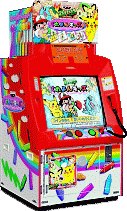
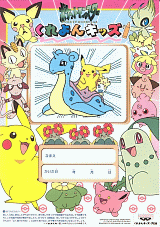
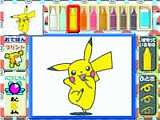
Pokémon: Crayon Kids, released in July 2001, was a drawing machine for young children: colour in a Pokémon picture on a touchscreen, then take the result home as a print. Banpresto published it on an arcade system made by Sega, and its pictures came from the Johto era of the anime. The cabinet was low and wide, painted in bright colours and covered in Pokémon, with a 29-inch touch-sensitive screen and an attached stylus.
After choosing a picture, the child picked one of three courses marked by Pikachu’s family, Pichu for Easy, Pikachu for Normal and Raichu for Master, and set to work. When the picture was finished, the machine printed it on special A4 paper with a Pokémon border and spaces for the artist’s name and the date, which makes Crayon Kids one of the few Pokémon arcade machines whose prize is something the player made.
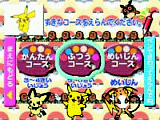
 PichuEasy Course
- PikachuNormal Course
 RaichuMaster Course
Pokémon: Wobbuffet Fell Down!

| At a glance | |
|---|---|
| Japanese title | ポケットモンスター ソーナンスがころんだ! (Poketto Monsutā: Sōnansu ga Koronda!) |
| Machine | Kids’ video medal game |
| Maker | Banpresto (Namco Bandai group) |
| Released | 2006 (Japan) |
| Price | 1 to 5 medals a game |
| Prize | Medals, 2 to 12 for each fruit reached |
| Status | Out of production; never released in any other form |
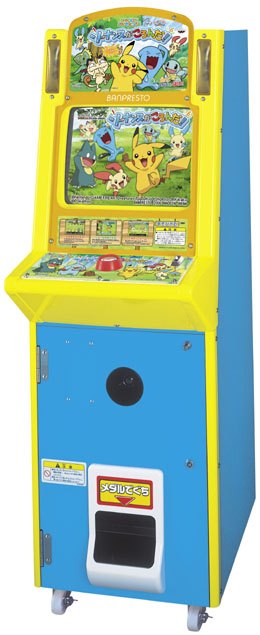
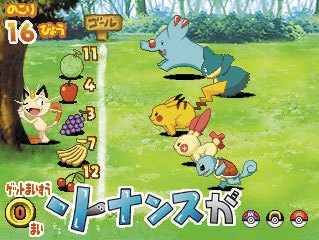
Wobbuffet Fell Down! was a children’s medal game from 2006, released under the Banpresto name and themed on the Battle Frontier part of the anime. Its name is a pun on Daruma-san ga Koronda, the Japanese version of the playground game known in Britain as Grandmother’s Footsteps, and the rules are the same: Meowth keeps watch at the far end of the screen, chanting before he spins round, and any Pokémon still moving when he looks is out.
Each medal put in, up to five, adds a runner. Pikachu always takes the middle lane, and the others come from Phanpy, Munchlax, Kecleon, Squirtle, Plusle and Minun. Hammering the single Poké Ball-shaped button sends the team forward, but they carry on sliding after you stop, so timing matters as much as speed. Reach the fruit at the finish unseen and you win the medals shown on it, from 2 to 12, with the richest fruit in the outer lanes that only a bigger team can reach.
Diglett pops up to trip runners, Mew now and then teleports one straight to the goal, and a game lasts no more than 30 seconds. Wobbuffet himself only has a walk-on part, but it is the one that leads to the bonus race.
- PikachuAlways in the middle lane
 PhanpyRolls, but skids
 MunchlaxSlowest runner
 KecleonCan turn invisible
 SquirtleRecovers from trips
 PlusleFaster beside Minun
 MinunFaster beside Plusle
 MeowthKeeps watch at the goal
 WobbuffetDrops the bonus balls
 DiglettTrips runners
 MewTeleports a runner
 SpoinkBonus-race rival
 SpindaBonus-race rival
Pokémon Get Round and Round

| At a glance | |
|---|---|
| Japanese title | ポケモンくるくるゲット (Pokémon Kurukuru Getto) |
| Machine | Kids’ medal game with a turning prize table, in pairs of cabinets |
| Maker | Namco Bandai Games |
| Released | April 2010, yellow and blue machines · March 2011, Black and White aqua and red machines (Japan) |
| Price | Arcade medals |
| Prize | Medals; the jackpot builds up to 99 |
| Status | Out of production; the 2011 machines were the last new versions |
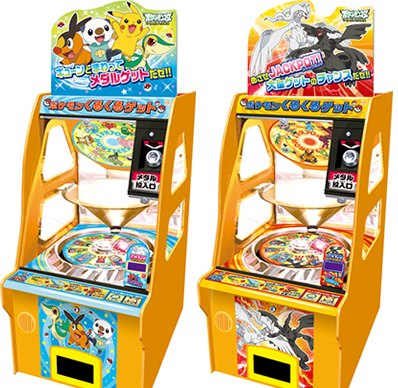
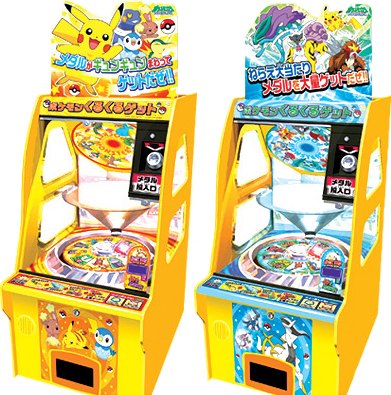
Pokémon Get Round and Round was a one-player medal game from Namco Bandai Games, launched in April 2010. At its heart is a round platform that turns slowly anticlockwise, divided into ten prize areas of different sizes, each decorated with a Pokémon. Medals dropped into the slot swirl round a large funnel before landing on the turntable, and the aim is to have one come to rest inside a prize area.
As the table turns, a scanner checks each area and the machine pays out the amount shown. The smaller the area, the bigger the payout, and the jackpot area is barely larger than a medal. A catcher beyond the prize areas sweeps leftover medals back into the machine, a medal dropped in too fast can fly off the table altogether, and an LED display under the slot shows the jackpot building up as the machines are played, to a maximum of 99 medals.
The game came as a pair of cabinets of different difficulty, and a second pair with Black and White branding and Unova Pokémon followed in March 2011.
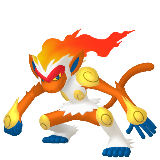 InfernapeYellow jackpot
 HappinyYellow machine
 PiplupYellow machine
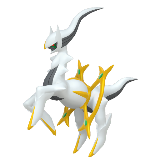 ArceusBlue jackpot
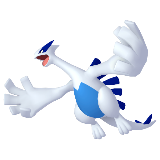 LugiaBlue 10-medal area
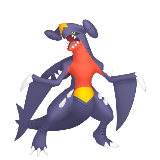 GarchompBlue machine
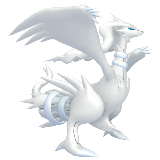 ReshiramAqua jackpot
- PikachuYellow and aqua machines
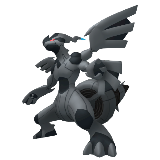 ZekromRed jackpot
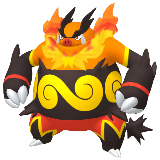 EmboarRed 10-medal area
Pokémon Tug of War Tournament: Absolutely Get Medal!
| At a glance | |
|---|---|
| Japanese title | ポケモンつなひき大会 メダルぜったいゲットだぜ! (Pokémon Tsunahiki Taikai: Medaru Zettai Getto da ze!) |
| Machine | Kids’ video medal game |
| Maker | Banpresto |
| Released | 2010 (Japan) |
| Price | One medal or more a game |
| Prize | Medals for every Pokémon pulled over |
| Status | Out of production; never released in any other form |
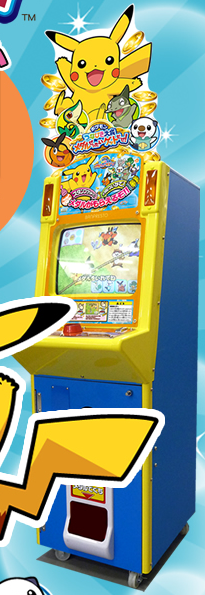
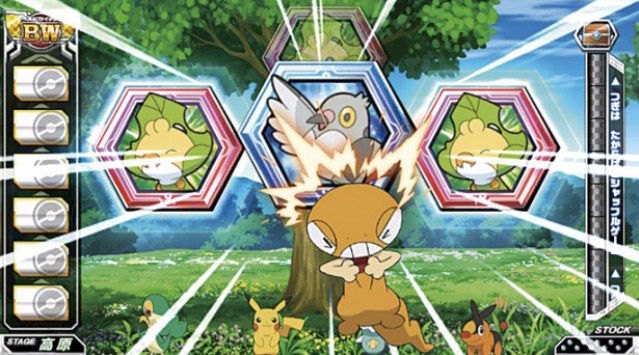
Pokémon Tug of War Tournament: Absolutely Get Medal! was a Banpresto medal game from 2010, built around the Black and White anime and that playground and sports-day favourite, tug of war. One medal starts a match in which a team led by Ash’s Pikachu takes the strain against a line of opposing Pokémon. The player hammers the button to cheer the team on, while each rival’s strength floats above its head as a number; bring it down to zero and that Pokémon topples over onto your side.
The payout is the combined value of every Pokémon pulled across, so the bigger opponents are worth more. Extra medals bring more helpers onto the rope, drawn from Axew, Pansage, Tepig, Snivy and Oshawott, which matters because the other side can field larger, stronger Pokémon. Ash, Iris and Cilan pop up in a corner of the screen now and then to cheer, and the subtitle borrows Ash’s Japanese catchphrase, “Pokémon getto da ze!”
- PikachuAsh’s Pikachu leads
 AxewIris’s helper
 PansageCilan’s helper
 TepigAsh’s helper
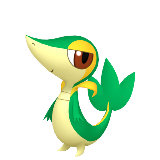 SnivyAsh’s helper
 OshawottAsh’s helper
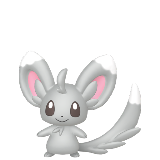 MinccinoOpponent
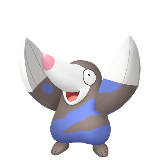 DrilburOpponent
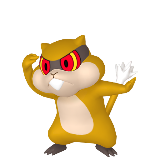 PatratOpponent
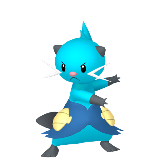 DewottOpponent
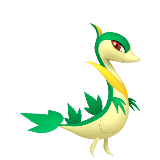 ServineOpponent
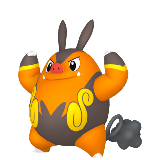 PigniteOpponent
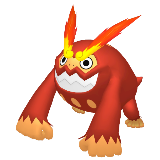 DarmanitanThe top prize
Pokémon Medal World

| At a glance | |
|---|---|
| Japanese title | ポケモンメダルワールド (Pokémon Medaru Wārudo) |
| Machine | Large medal pusher with several stations and a video slot |
| Maker | Namco Bandai Games |
| Released | Unveiled 15 September 2011 at the 49th Amusement Machine Show · rollout to Japanese arcades announced 17 January 2012 |
| Players | Up to four at each station |
| Price | Arcade medals |
| Prize | Medals; the top jackpot is 500 or 1,000 |
| Status | Out of production; never released in any other form |
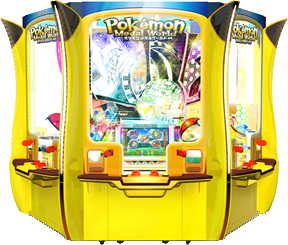
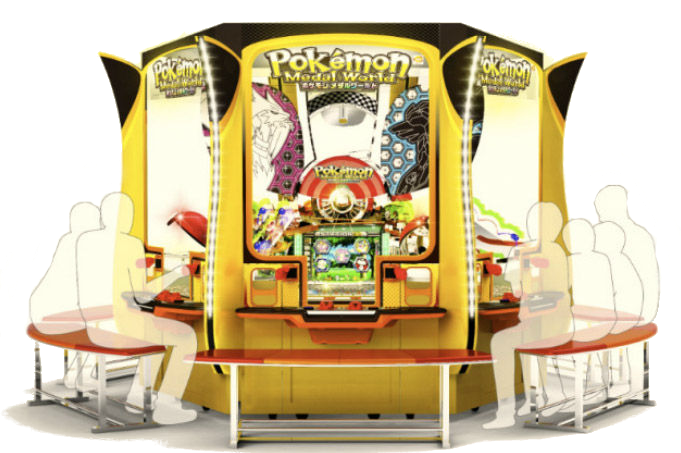
Pokémon Medal World was billed as the first Pokémon medal pusher: a big multi-station cabinet from Namco Bandai Games, themed on the Best Wishes (Black and White) anime. It was unveiled at the 49th Amusement Machine Show in September 2011, and on 17 January 2012 Namco Bandai announced that it was rolling out to arcades. Finished in Pikachu yellow, it was presented as the industry’s first large medal machine to let four people play at one station at the same time, so a whole family could sit side by side.
Players fire medals onto a moving pusher table, either from standard launchers or from two inner flingers that throw at a different height, which keeps things manageable for children. Medals that touch the screen make fruit pop out for Pikachu, Snivy, Tepig or Oshawott to eat, filling a gauge that sets off bonus games, while others drop through lit holes to spin a slot of Unova Pokémon. Catching six Pokémon, or landing a medal in the BW hole, brings a giant wheel round to the station for a Big Win, with a top jackpot of 500 or 1,000 medals.
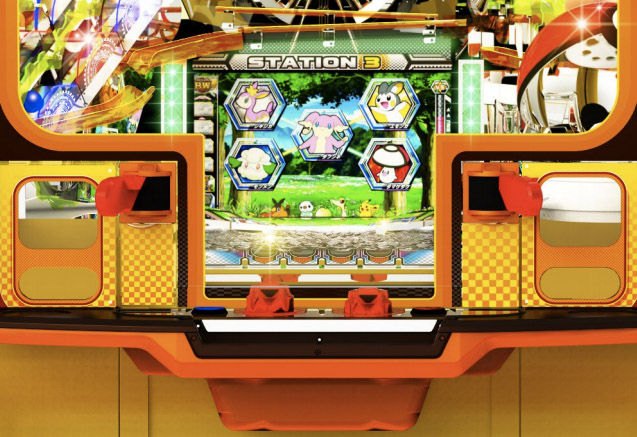
- PikachuFruit-eater
- SnivyFruit-eater
- TepigFruit-eater
- OshawottFruit-eater
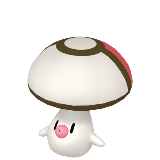 FoongusSlot reels
 SewaddleSlot reels
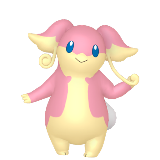 AudinoSlot reels
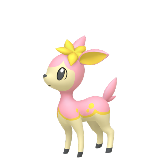 DeerlingSlot reels
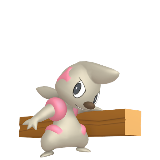 TimburrBonus battle
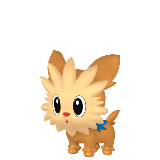 LillipupEvolution bonus
 SerperiorBig Win bonuses
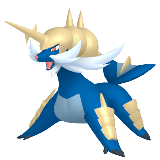 SamurottBig Win bonuses
- EmboarBig Win bonuses
- ReshiramJackpot show
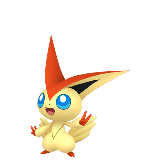 VictiniJackpot show
Pokémon: Battle Nine
| At a glance | |
|---|---|
| Japanese title | ポケットモンスター バトルナイン (Poketto Monsutā Batoru Nain) |
| Machine | Video medal game with four stations in two back-to-back pairs |
| Maker | Bandai Namco Games |
| Released | 8 July 2014 (Japan) |
| Players | Four, one at each station |
| Price | Arcade medals; every attack costs medals |
| Prize | Medals, up to 1,000 for a Lv.20 Perfect Combo |
| Status | Out of production; never released in any other form |
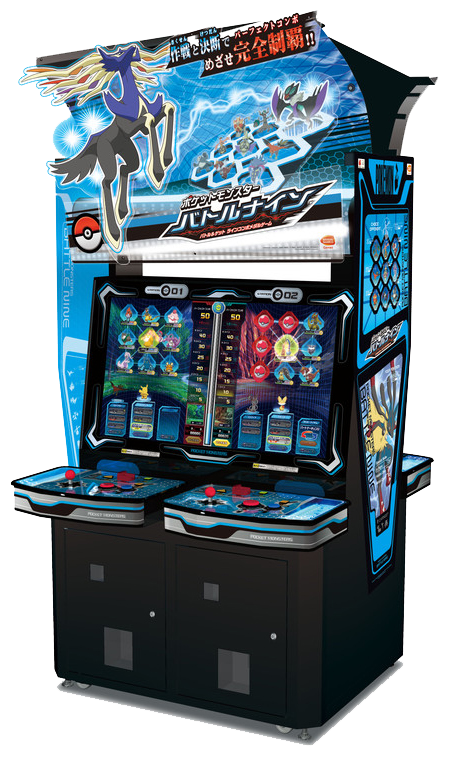
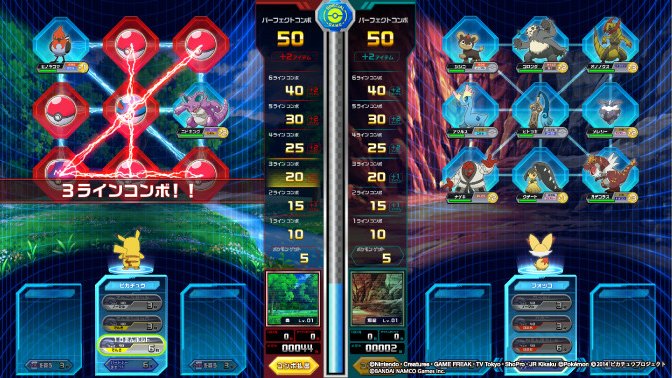
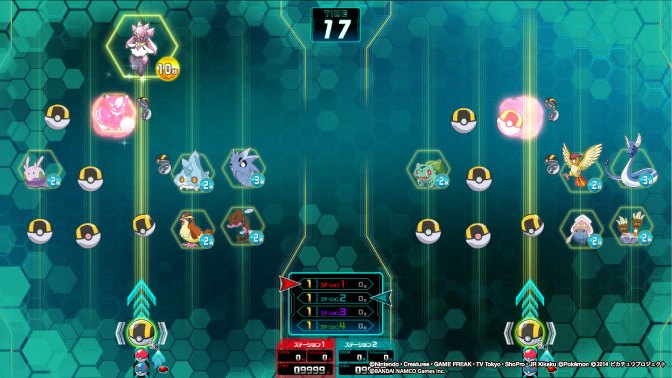
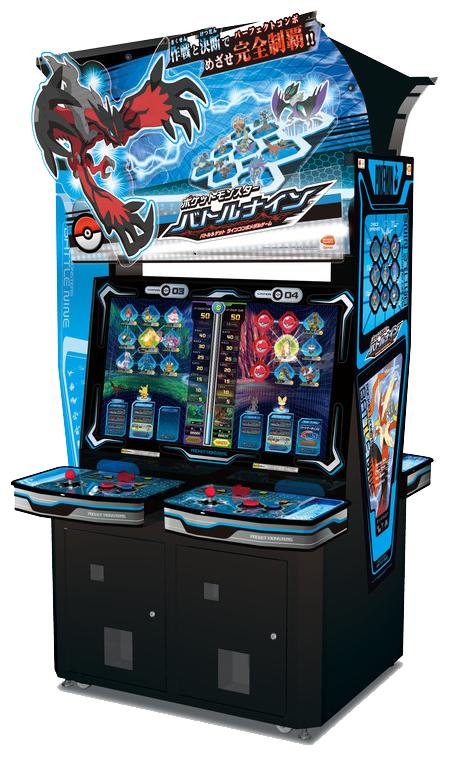
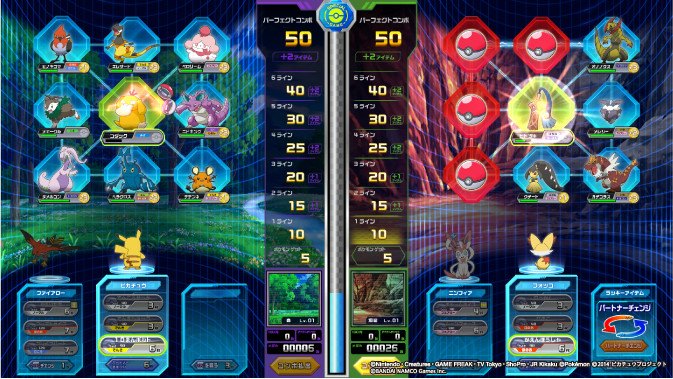
Pokémon: Battle Nine was a video medal game from Bandai Namco Games, launched in July 2014 and themed on the XY anime. Each player faces a three-by-three grid of nine wild Pokémon and tries to catch them, bingo-style. Attacks cost medals, with stronger moves and moves that hit several targets costing more; a joystick picks the target, and each Pokémon’s HP bar previews the damage.
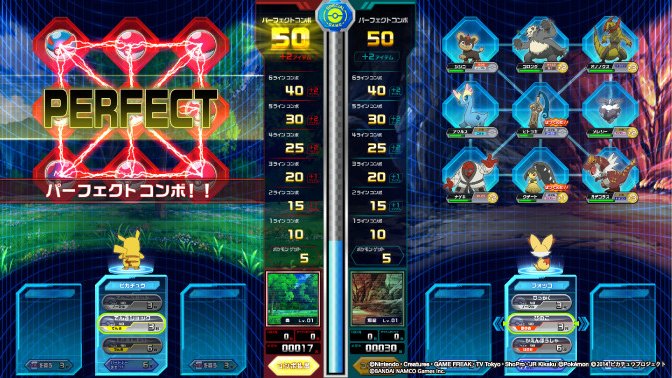
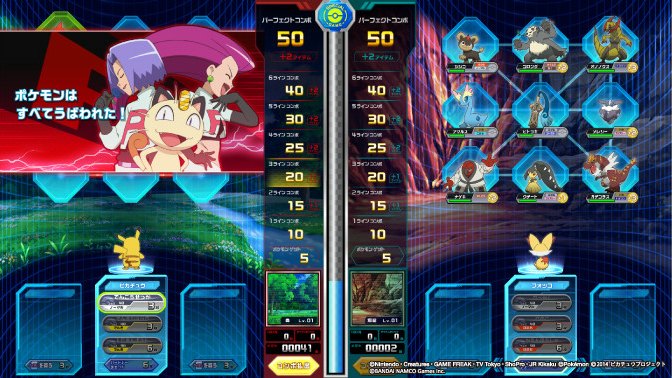
After every attack a reel spins to decide what happens next: a Poké Ball, Great Ball or Ultra Ball to throw, or trouble in the shape of Meowth, who steals one captured Pokémon, or the Team Rocket trio, who make off with the lot. Catches pay medals, and completing lines on the grid pays far more, up to a Perfect Combo for all nine.
More than 170 Pokémon appear, with the type matchups and capture rules of the main games, and caught Pokémon can join the party, learn moves, evolve or Mega Evolve. Difficulty runs from Lv.1 to Lv.20 across Forest and Cave stages, with bigger payouts and dearer moves the higher you go.
- PikachuStarting Pokémon
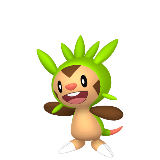 ChespinStarting Pokémon
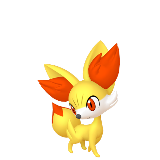 FennekinStarting Pokémon
 FroakieStarting Pokémon
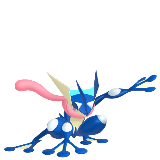 GreninjaFroakie’s final form
 TyranitarForest stage
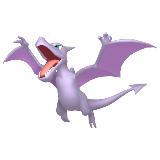 AerodactylCave stage
 CarbinkCave stage
 InkaySpecial Game target
- MeowthSteals a catch
Pokémon Mega Get!
| At a glance | |
|---|---|
| Japanese title | ポケモンメガゲット! (Pokémon Mega Getto!) |
| Machine | Ball-throwing video game with an infrared sensor and a card dispenser; since 2022 also a sit-in booth, the Nagetore BOX |
| Maker | Bandai Namco Entertainment (original) · Bandai Namco Amusement (Nagetore BOX) |
| Released | Late 2015 (Japan) · Nagetore BOX: early run at namco arcades from September 2022, nationwide from October 2022 |
| Players | 1 or 2 |
| Price | ¥200 a play for the Nagetore BOX |
| Prize | A collectable card every play |
| Status | The Nagetore BOX of 2022 is the latest version |
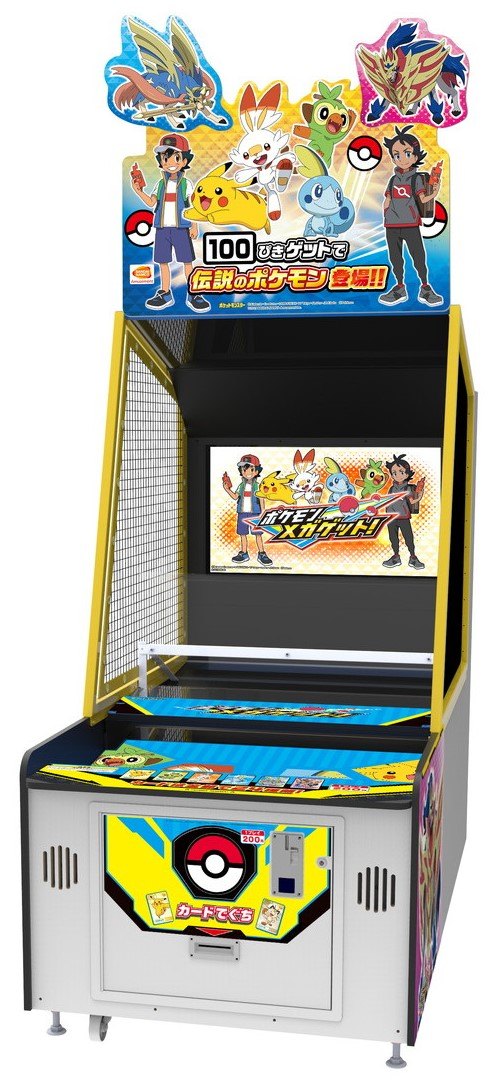
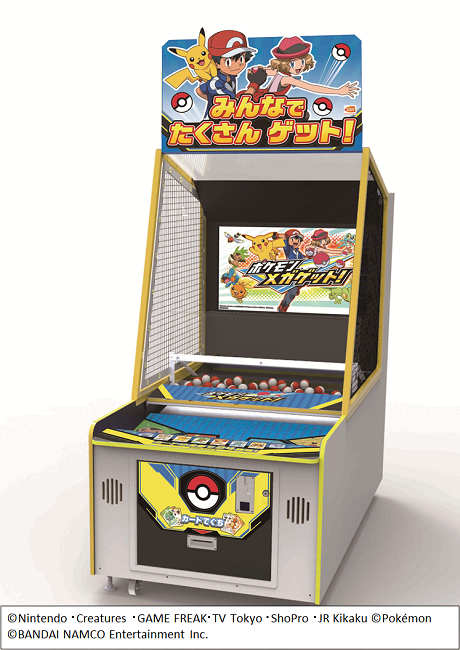
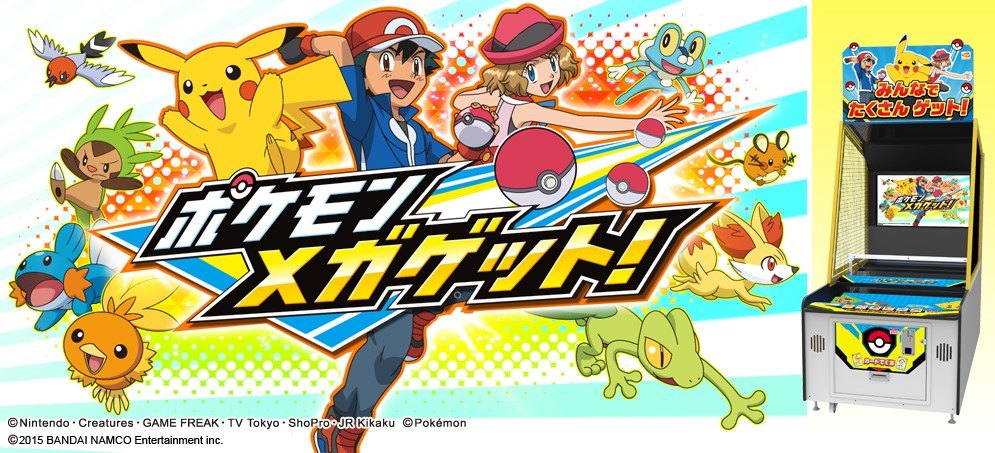
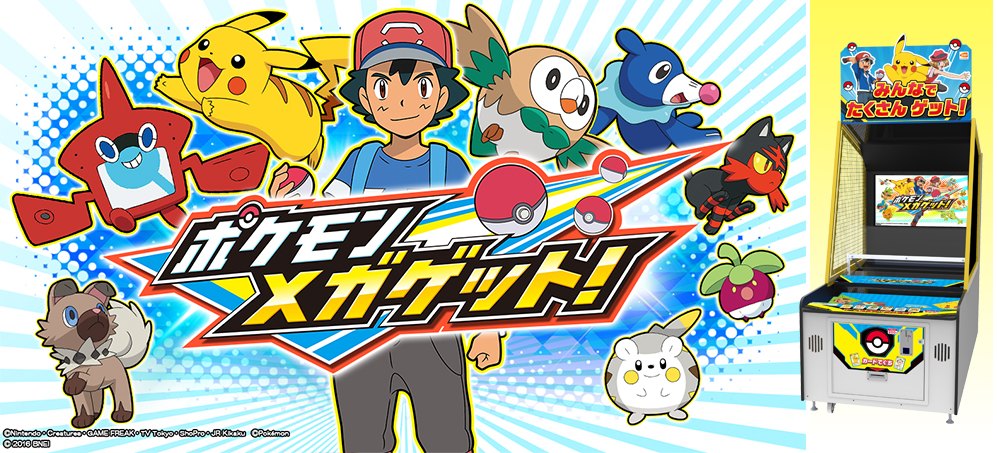
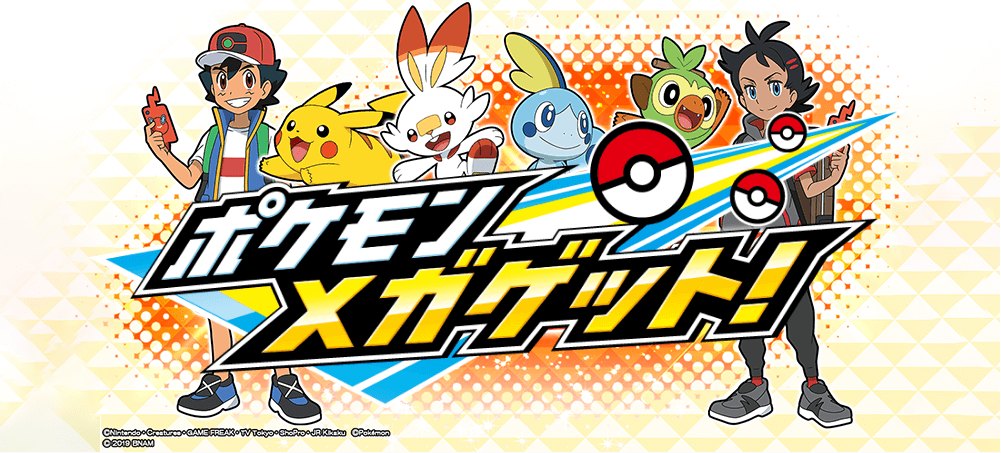
Pokémon Mega Get! is a Bandai Namco arcade game in which children catch Pokémon by throwing real balls at a big screen. It reached Japanese arcades in late 2015, during the XY anime, with Chespin, Fennekin and Froakie as the partner choices. The player picks one of three stages by hitting it with a ball, then throws as many balls as possible at the Pokémon on screen before time runs out, while an infrared touch sensor in front of the display registers every hit.
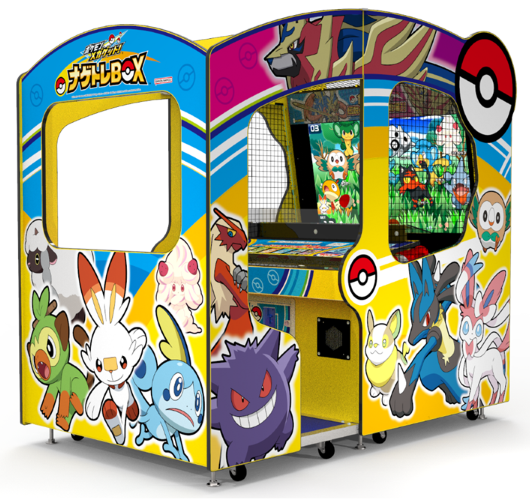
A good score raises the chance of meeting Mega Rayquaza or one of the Mythical Pokémon, and every play pays out a collectable card. Mega Get! has kept up with the anime ever since, and in October 2022 it moved into a new cabinet, the Nagetore BOX, which costs ¥200 a play with one card each time.
- ChespinLaunch partner
- FennekinLaunch partner
- FroakieLaunch partner
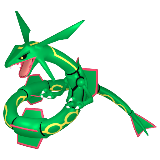 RayquazaAs Mega Rayquaza
Pokémon Corogarena
| At a glance | |
|---|---|
| Japanese title | ポケモンコロガリーナ (Pokémon Korogarīna) |
| Machine | Four-station medal game that mixes a real ball with a video playfield |
| Maker | Sega |
| Released | 14 March 2022 (Japan), after location tests in 2021 |
| Players | Up to four, one at each station |
| Price | Arcade medals |
| Prize | Medals, up to 10 a catch, plus bonus rounds |
| Status | Official website still online; new Pokémon last added in September 2023 |
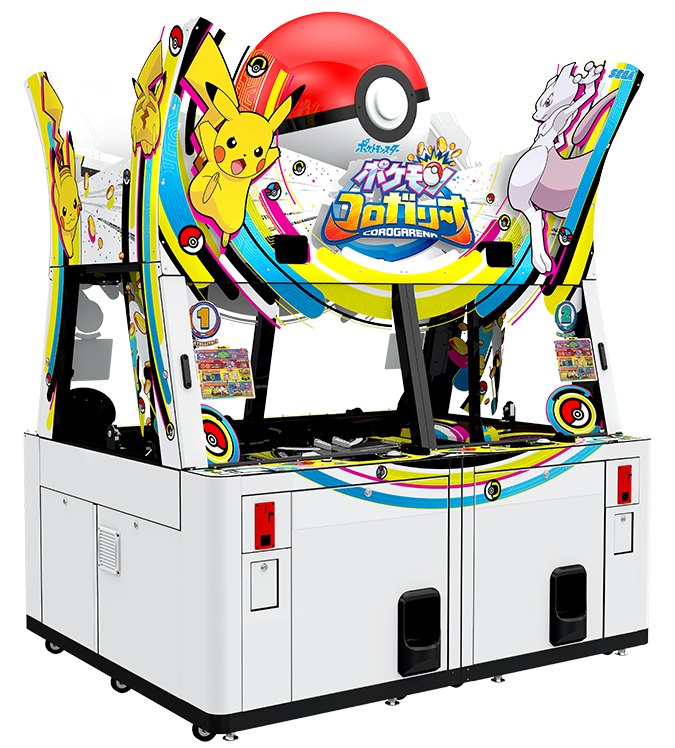
Pokémon Corogarena is a Sega medal game that arrived in Japanese arcades on 14 March 2022, after location tests in 2021, among them one at Sega Makuhari from 28 October. Sega pitched it as a brand-new kind of medal machine that fuses Pokémon with a real, physical ball draw. Each turn starts like a board game: the player picks a stake and rolls a die, and Pikachu moves round an island, setting off whatever is on the square where it lands.
Radar and survey squares build towards catches, while others lead to a secret cave, a Pokémon Challenge mini-game such as Meowth’s hide-and-seek or a quiz, or Get Mode. There a real ball is launched across the playfield display with a digital Poké Ball tracking it, and if it passes a Pokémon and drops into the moving get zone, the catch pays medals. Six catches open Battle Mode, where the ball’s landing spot decides the damage, and winning a battle earns a spin of the bonus roulette. Sega kept adding Pokémon in regular updates through 2022 and 2023.
- PikachuBoard-game piece
- MeowthHide-and-seek challenge
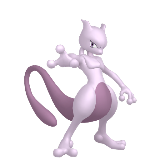 Mewtwo10-medal catch, Battle Bonus
- Mew10-medal catch, Corogarena Bonus
- TyranitarAdded July 2022
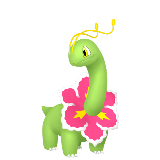 MeganiumAdded July 2022
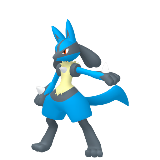 LucarioAdded July 2022
 EnteiAdded February 2023
- LugiaAdded June 2023
 Ho-OhAdded June 2023
 CelebiAdded June 2023
 MarillAdded September 2023
Also in the arcades
Three more Pokémon machines don’t fit the medal-and-prize mould but belong in the same story: a sticker-photo booth, a card dispenser and a new game announced for China.
Print Club Pokémon B
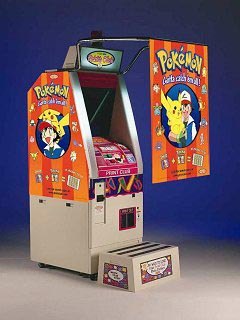
Print Club Pokémon B (プリント倶楽部ポケモンB, Purinto Kurabu Pokémon Bī) was a 1999 Pokémon edition of Print Club, the sticker-photo booth developed by Atlus and sold by Sega that started Japan’s purikura craze. It ran on Sega’s Titan Video (ST-V) arcade board, a system based on the Sega Saturn, and worked like any Print Club: pose for a photo, pick a frame with the joystick and collect a sheet of small stickers, here framed with scenes and characters from the anime.
It is also one of the very few Pokémon arcade machines to reach North America, and one of only a handful of Print Club booths ever sent from Japan to the United States. The American booth offers 26 frames, plus at least two secret ones unlocked with the joystick on the main menu, and the Japanese machine appears to have carried a different selection. Atlus also ran a promotion in which players filled a sticker book and posted it in for the chance of a booster pack from the Trading Card Game’s Base Set.
Pokémon Card Game Gacha

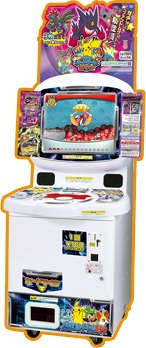
Pokémon Card Game Gacha (ポケモンカードゲームガチャ, Pokémon Kādo Gēmu Gacha) was a Takara Tomy A.R.T.S. machine, launched in Japan on 23 June 2014, that turned getting Trading Card Game cards into a quick mini-game. Unlike arcade games that print their own cards, it handed out ordinary cards from the current Japanese expansion, and machines were usually restocked soon after each new set came out.
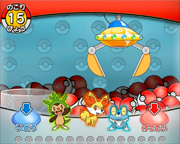
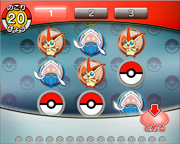
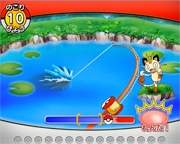
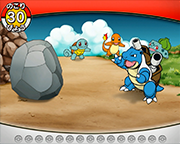
A ¥100 play meant three rounds of 15 to 30 seconds on one of two modes, played with one red and one blue button. Each round collected Poké Balls on a gauge, up to 15 in all, and good play upgraded them to Great Balls or Ultra Balls for a better chance of rare cards; then three cards dropped into the tray. Four mini-games rotated with the expansions, Poké Crane, Poké Slot, Poké Fishing and Poké Hydro Pump, and the last new modes arrived with the June 2016 sets at the end of the XY BREAK era.
Pokémon Spot
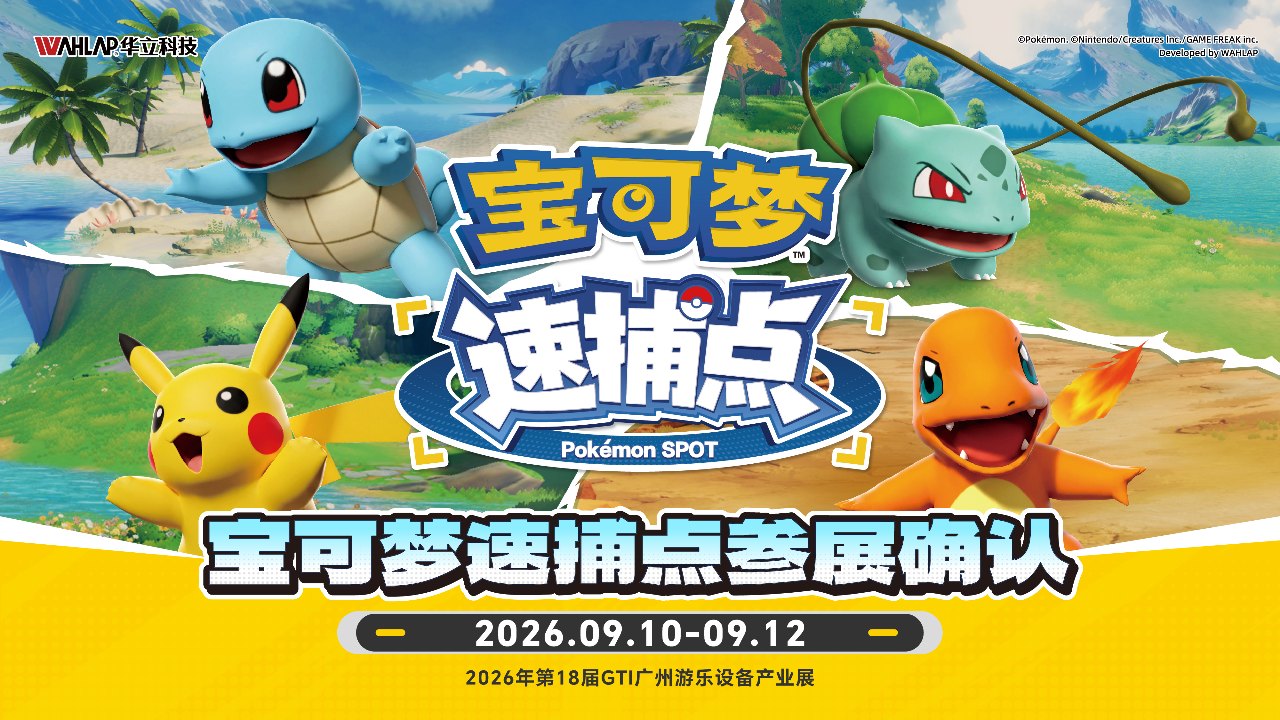
Pokémon Spot (宝可梦速捕点, Bǎokěmèng Sùbǔdiǎn, roughly “Pokémon Quick-Catch Spot”) is an upcoming arcade game for mainland China from Wahlap, the Guangdong arcade maker known in Chinese as Huali Technology, which makes it the only game on this page made outside Japan. It was announced on 24 June 2026 on the official Pokémon China website and Wahlap’s own news page, and went on show at the 18th GTI China Expo in Guangzhou from 10 to 12 September 2026.
Very little has been revealed. It is listed as a battle simulation for one to eight players that links to a WeChat Mini Program, one of the light apps that run inside China’s most widely used messaging service, but its cabinet, controls, prizes and price had not been detailed when it was shown in September, and no release date had been announced.
Where to play them today
Of the ten main games on this page, only the two most recent are likely to turn up in an arcade now. Sega’s official Corogarena website is still online with no end-of-service notice, and the game was still getting new Pokémon in September 2023, while the Mega Get! Nagetore BOX went nationwide in October 2022. Everything else is long out of production, so playing one means finding a surviving cabinet in a Japanese arcade, where some operators kept older machines going with prizes of their own once the originals ran out.
None of these games has ever been released for home consoles, handhelds or phones, and none was sold outside Japan apart from Print Club Pokémon B in North America; Pokémon Spot, when it launches, is set for mainland China. For the older machines, photographs, flyers and a few fan records are now the main record of how they looked and played. For Pokémon in Japanese arcades today, the big collect-and-battle games are the place to look:Pokémon Ga-Olé, Pokémon Mezastar and Pokémon Frienda.
Videos & media
Three official videos from the makers: two attract-mode films for Pokémon Mega Get! and Sega’s introduction to Pokémon Corogarena.
The attract-mode video for the original Pokémon Mega Get!, from Bandai Namco Entertainment’s channel.
A second Mega Get! attract video, from Bandai Namco Amusement’s official arcade channel.
Sega’s official introduction video for Pokémon Corogarena.
Trivia & facts
- Pikachu has a part in at least nine of the ten main games on this page: a dancing figure, a surfer on Lapras’s back, a course icon, a runner, a prize area, a tug-of-war captain, a fruit-eater, a starting partner and a board-game piece.
- Meowth turns up in at least four of them: as the guard in Wobbuffet Fell Down!, on one of the yellow Get Round and Round machine’s Random areas, as the thief on Battle Nine’s reel and in a hide-and-seek challenge in Corogarena.
- In Wobbuffet Fell Down!, Meowth is voiced by Inuko Inuyama and Pikachu by Ikue Ōtani, just as in the Japanese anime.
- The fruit at the finish line of Wobbuffet Fell Down! is everyday fruit, such as apples, bananas, cherries, melons and grapes, rather than the Berries of the main games.
- Pikachu’s Great Surfing Adventure never shows a clock: its limit of roughly 90 seconds runs silently until the river stops.
- If Medal World’s travelling wheel is out of action, the machine pays a flat 200 medals for a Big Win instead, and its jackpot sequence is set to the opening theme of the Best Wishes anime.
- Battle Nine borrows its art and some of its sound effects from the XY anime, and some of its wild Pokémon only appear from Lv.6 upwards.
-
Card Game Gacha’s Pikachu logo. In Card Game Gacha’s Poké Fishing, the catch is purely for show: whether the line brings up a Magikarp or a Milotic, the reward is the same, balls on the gauge.
- Sega’s tagline for Corogarena reads 「ポケットモンスター」と物理ボール抽選が融合!! 今までにない!!新作メダルゲーム機!!, roughly “Pokémon fused with a physical ball draw!! Like nothing before!! A brand-new medal game machine!!”
- Wahlap first left Pokémon Spot out of its preview of the 2026 GTI China Expo, then added it in a later preview.

A teaser image for Pokémon Spot.

Further reading
More Pokémon arcade games on the site: