Pokémon battles teach skills that have kept fans interested for years. Choosing the right move, knowing when to switch, and paying attention to type matchups all shape how a battle unfolds. These core ideas, such as type strengths, status effects, and team swaps, also appear across many other gaming formats.
Making a smart move in a Pokémon battle often feels similar to solving a puzzle in another game. The turn-based structure encourages players to anticipate outcomes, read situations, and respond with intention. This style of thinking has become familiar across a wide range of modern games.Selecting a balanced team and making quick decisions during battles helps players practise strategic thinking. Learning when to take calculated risks, how to use limited resources, and how to respond to unexpected changes builds habits that translate well beyond Pokémon. These patterns remain useful regardless of the game environment.Players who plan ahead, manage uncertainty, and allocate resources effectively in Pokémon often find it easier to adapt to other games with more complex systems. These transferable skills become easy to recognise among players with long-term Pokémon experience.
Pokemon’s Battle System as a Gaming Blueprint
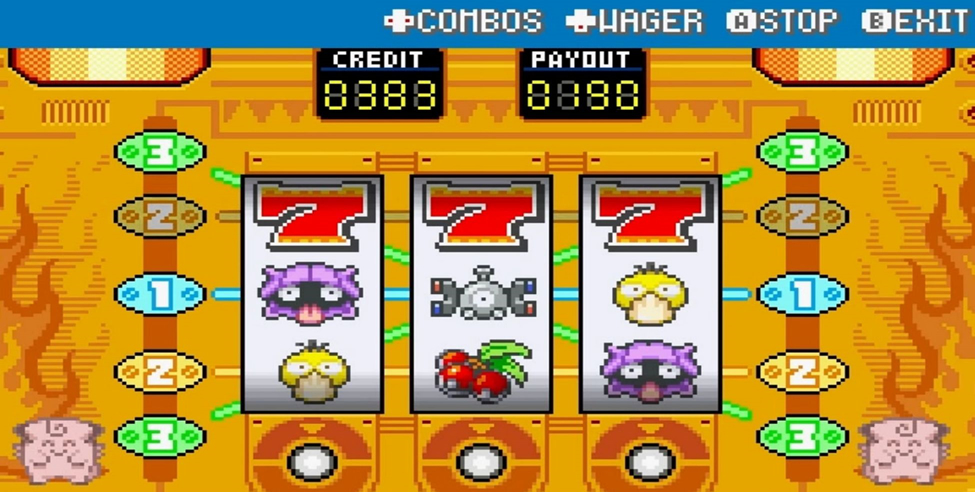
Pokemon’s turn-based combat system remains one of the most influential strategic designs in gaming. Since its debut in 1996, the series has refined a system that balances accessibility with depth, shaping how players approach decision-making across genres.At the centre of Pokémon battles sits the type chart, a structured network of strengths and weaknesses. Water overcomes fire, fire overcomes grass, and grass overcomes water. This simple framework expands into a broader system that rewards pattern recognition and informed choices.Bulbapedia’s type chart illustrates how these interactions influence competitive play. The same logic applies in games built around probability and outcome patterns. This awareness extends to online slots machines, where recognising recurring structures helps players understand game mechanics more clearly.Pokémon maintains a balance between chance and skill. Random elements such as critical hits introduce uncertainty, while preparation and informed decisions remain central to success. This balance mirrors the structure of many modern games that combine strategy with unpredictable outcomes.Immediate feedback reinforces learning. Super-effective hits or surviving with minimal health show how preparation affects results. Players use these outcomes to refine future decisions and improve pattern awareness.