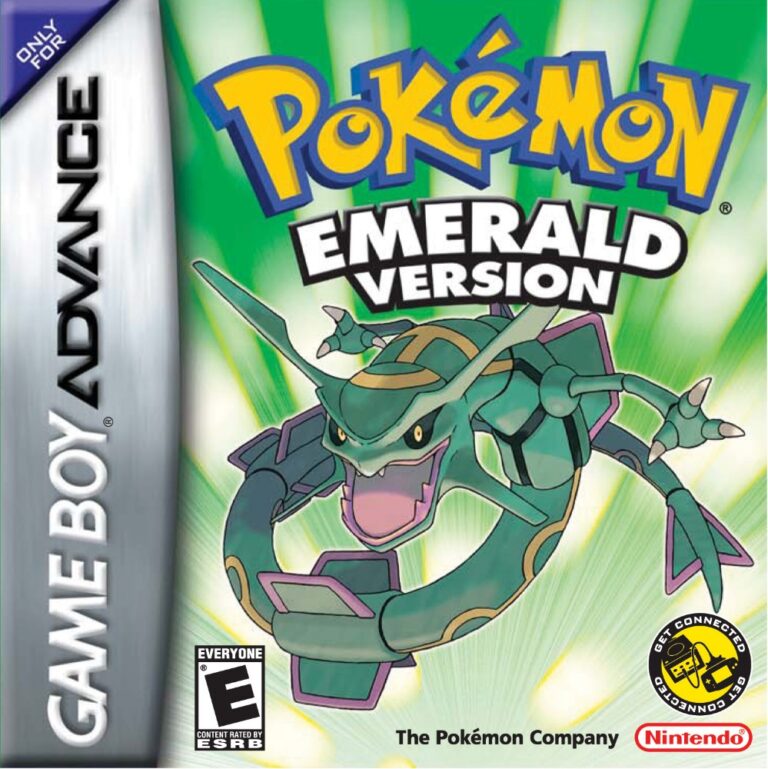
 |
|
| Title | Pokémon Emerald Version ポケットモンスター エメラルド |
| Platform | Game Boy Advance |
| Developer | Game Freak |
| Publisher | Nintendo (The Pokémon Company in Japan) |
| Director | Shigeki Morimoto |
| Producers | Hiroyuki Jinnai, Hitoshi Yamagami, Gakuji Nomoto, Hiroaki Tsuru |
| Composers | Go Ichinose, Junichi Masuda, Morikazu Aoki, Hitomi Sato |
| Art director | Ken Sugimori |
| Players | 1–5 (Game Link Cable or GBA Wireless Adapter; e-Reader support in Japan only) |
| Generation | Generation III – the fifth and last core game of the generation |
| New Pokémon | None (the Hoenn Pokédex of 202, then the National Pokédex of 386) |
| Sister games | Pokémon Ruby & Sapphire · FireRed & LeafGreen |
| Predecessor | Pokémon FireRed & LeafGreen |
| Successor | Pokémon Diamond & Pearl (Generation IV) |
| Released (Japan) | 16 September 2004 |
| Released (North America) | 1 May 2005 |
| Released (Australia) | 9 June 2005 |
| Released (Europe) | 21 October 2005 |
| Ratings | CERO A · ESRB E · PEGI 3 · OFLC G8+ |
| Cartridge | Game Boy Advance cartridge in a green shell, the last Nintendo game with a specially coloured cartridge; the internal clock battery drives Berries and daily events |
| Re-releases | None as of October 2026 – no Virtual Console, Switch or Nintendo Classics version |
Overview
 Pokémon Emerald is the ‘third’ title that goes with Pokémon Ruby and Sapphire and the final Gen III title from the main series. Although built upon Ruby & Sapphire, Emerald adds lots of new features which weren’t present in the paired games before it – much in the way that Crystal built upon Gold and Silver to create an ‘ultimate’ title for that gen. It was initially released in Japan on the 16th of September 2004, followed by the U.S. release on May 1st, 2005; the Aussies got hold of it on June 9th, 2005, and it finally released in Europe on October 21st, 2005.
Emerald was the second best-selling game in the U.S. in 2005. It was also one of the most successful Game Boy Advance titles overall, ranking as the third best-selling GBA title of all time – it was only surpassed by Ruby & Sapphire and FireRed & LeafGreen, counting each pair as one release.
The Hoenn region is unstable — Rayquaza has awakened! Your skills as a Trainer will be challenged like they’ve never been challenged before as you try to maintain balance between Kyogre & Groudon. Prove your skill by earning Badges & gaining access to Battle Frontier — the front line of Pokémon battling that offers a whole new level of competition. Never-before-experienced battles await you!
- The third adventure with new episodes in the Hoenn region!
- Tons of new features, including surprising plot twists and changes to where and how often you can catch certain Pokémon!
- Use the Game Boy Advance Wireless Adapter to trade & battle between Pokémon Emerald and Pokémon FireRed and LeafGreen versions.
- Expand your collection when you trade with a friend. Using a Game Boy Advance Game Link™, link up with Pokémon Ruby & Sapphire, Pokémon FireRed & LeafGreen, or connect with Pokémon Colosseum using a Nintendo GameCube® Game Boy Advance cable. See instruction booklet for more details.
— Official description, North American packaging
Quick Answers
The questions people ask about Emerald, answered first and explained further down the page.
What is the difference between Pokémon Emerald and Ruby and Sapphire, and which should I play?
Emerald is the enhanced third version, so pick it if you want one Hoenn game. Both Team Magma and Team Aqua cause trouble, Rayquaza drives the plot, Wallace is Champion, and it adds the Battle Frontier, Gym Leader rematches, animated sprites and the Johto starters. The catch: seven Hoenn species are missing and must be traded in. More →


How do you catch Rayquaza in Pokémon Emerald?
Rayquaza waits at Lv. 70 on top of the Sky Pillar, and you can catch it before the Elite Four. You first climb the tower with Wallace’s help to wake it and end the Groudon and Kyogre clash. Once the crisis is over it returns to the summit; bring a Mach Bike for the cracked second and fourth floors. More →
How do you get Groudon and Kyogre in Pokémon Emerald?
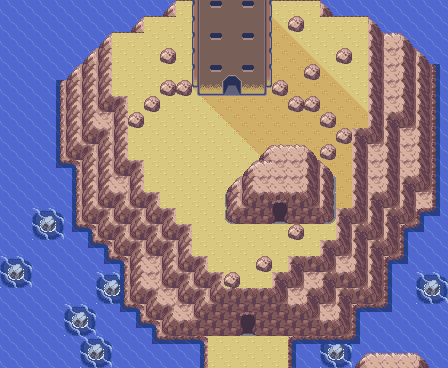
Both appear after the Hall of Fame, at Lv. 70, one at a time. A man at the Weather Institute tells you which route has abnormal weather: Terra Cave (Groudon) turns up on Route 114, 115, 116 or 118, Marine Cave (Kyogre) on Route 105, 125, 127 or 129. Take too long and the other cave appears instead. More →

How do you catch Latias or Latios in Pokémon Emerald?
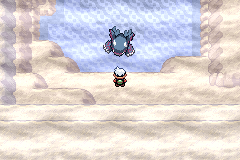
After the Hall of Fame your mother asks what colour the Pokémon on TV was. Answer red and Latias roams Hoenn at Lv. 40; answer blue and Latios does. The other waits at Lv. 50 on Southern Island, reached with the Eon Ticket, which Emerald can only get by mixing records with a Ruby or Sapphire game that has one. More →
How do you get Mew, Lugia, Ho-Oh and Deoxys in Pokémon Emerald?
Each needs an event item. The Old Sea Map, given out only in Japan and Taiwan, leads to Faraway Island and a Lv. 30 Mew. The MysticTicket opens Navel Rock and Lv. 70 Lugia and Ho-Oh. The AuroraTicket opens Birth Island, where a Lv. 30 Deoxys becomes Speed Forme once caught. Each trip is by boat. More →
What is the Battle Frontier in Pokémon Emerald and how do you unlock it?
The Battle Frontier is Emerald’s post-game island of seven battle facilities, each run by a Frontier Brain who awards Silver and Gold Symbols. Beat the Elite Four and Scott invites you aboard the S.S. Tidal; the ferry from Lilycove or Slateport then takes you there, your Trainer Card becomes a Frontier Pass and wins earn Battle Points. More →

How do you rematch Gym Leaders in Pokémon Emerald?
Gym Leader rematches open once you have entered the Hall of Fame. After that, every 60th wild encounter, 20th Trainer battle or 20th Frontier battle gives a 31% chance that a Leader is ready again. Each Leader has four stronger teams, every Leader must be beaten before the next tier opens, and Wattson waits until New Mauville is finished. More →
How do you get Chikorita, Cyndaquil or Totodile in Pokémon Emerald?
Complete the Hoenn Pokédex, leaving out Jirachi and Deoxys, then talk to Professor Birch, who lets you choose one of the three Johto starters. Emerald lacks seven Hoenn species, so you will need to trade in Surskit, Masquerain, Meditite, Medicham, Roselia, Zangoose and Lunatone from another Generation III game, or from Pokémon XD. More →

Is Pokémon Emerald on Nintendo Switch?
No. As of October 2026 Emerald has not been released or announced for Switch, Switch 2 or Nintendo Classics, and neither have Ruby and Sapphire, despite rumours of a surprise 8 October release. The only Generation III core games on Switch are FireRed and LeafGreen, sold separately since 27 February 2026, so Emerald still means an original cartridge. More →
Why are my berries not growing in Pokémon Emerald, and does Emerald have the berry glitch?
Emerald is free of the berry glitch that freezes early Ruby and Sapphire carts after 366 days. If berries or the Space Center’s launch count have stopped, the cartridge’s internal clock battery has most likely run flat, and replacing it gets the clock going again. Emerald can even send the fix to an affected Ruby or Sapphire. More →
Plot / Story
The story for Pokémon Emerald is largely that of its paired-title predecessors, Ruby & Sapphire – click here to read their story. There are, however, subtle differences, which are covered under ‘Storyline differences’ in our What Emerald changes section, and in full below.
Emerald’s story, spoilers and all
Emerald opens much as Ruby and Sapphire do: you arrive in Littleroot Town in a moving truck unloaded by Vigoroth, save Professor Birch from a wild Zigzagoon and choose Treecko, Torchic or Mudkip, with Brendan or May as your rival. The difference is that both villainous teams are active at once. Maxie’s Team Magma wants to expand the land with Groudon; Archie’s Team Aqua wants to expand the sea with Kyogre. The two leaders first meet at Meteor Falls, where Magma seizes a Meteorite and Archie briefly stands with you.
Maxie is beaten at the summit of Mt. Chimney, Shelly’s grunts raid the Weather Institute and Archie takes the Red Orb from Mt. Pyre. Magma then tunnels into the volcano from Jagged Pass, and Maxie wakes Groudon there, only to lose control of it.
Once you hold the Mind Badge, Team Magma storms the Mossdeep Space Center for rocket fuel to make Mt. Chimney erupt, and you join Steven in a Multi Battle against Maxie and Tabitha. Team Aqua takes the stolen Submarine Explorer 1 to the Seafloor Cavern, where Archie rouses Kyogre and loses his grip on it in turn. With both giants loose, Hoenn lurches between drought and downpour as they fight over Sootopolis City.
Wallace opens the Sky Pillar, you wake Rayquaza and it calms the pair; both leaders see their mistake and disband their teams. Rayquaza then settles back on the Sky Pillar, catchable before the League. Juan, Wallace’s mentor, has reclaimed the Sootopolis Gym, and Wallace waits at the Pokémon League as Champion. After the Hall of Fame, Scott meets you aboard the S.S.
Tidal and invites you to his Battle Frontier. Steven waits in Meteor Falls with his team twenty levels stronger, Groudon and Kyogre hide in Terra Cave and Marine Cave, Latias or Latios starts roaming, and the Trainer Hill, Desert Underpass and Safari Zone extension open.
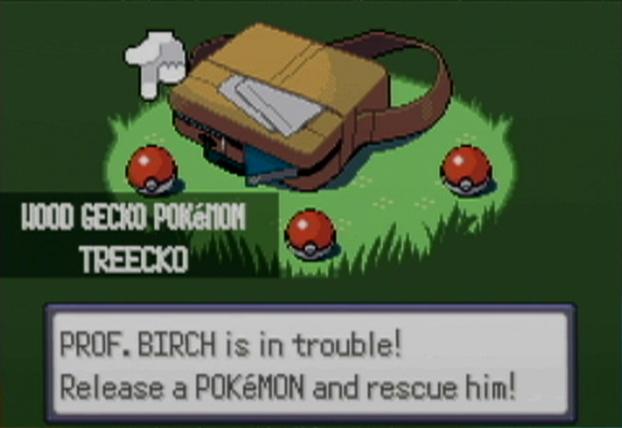

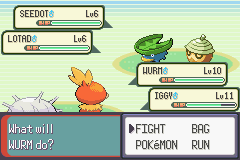

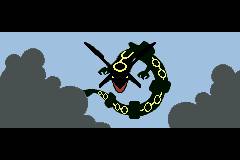

Screenshots from our Emerald screenshot gallery.
Every story difference from Ruby & Sapphire
- Vigoroth, not Machoke, unload the moving truck in Littleroot Town.
- A Zigzagoon chases Professor Birch at the start, and on Route 101 a young girl, not a boy, blocks the way.
- Brendan and May swap their red outfits for green ones, field different teams and battle you five times instead of four, including a new optional fight on Route 104.
- Scott, a new character, keeps turning up to watch you, from Wally’s Ralts capture in Petalburg City to the Pokémon Center at Ever Grande City.
- Team Magma and Team Aqua are both villains, and their leaders get their own battle music and entrance animations.
- The leaders first show themselves at Meteor Falls, where Team Magma steals the Meteorite and Archie briefly sides with you, rather than at the Slateport museum.
- Team Magma’s base moves into Mt. Chimney, entered from Jagged Pass with the Magma Emblem found on Mt. Pyre, and Maxie wakes Groudon there.
- After the Mind Badge, Team Magma raids the Mossdeep Space Center for rocket fuel, leading to a Multi Battle beside Steven against Maxie and Tabitha.
- Maxie is fought three times and Archie only once, at the Seafloor Cavern.
- Groudon and Kyogre are both awakened and clash over Sootopolis City, so the weather swings between drought and downpour.
- The Cave of Origin shrinks from five floors to two and no longer holds a legendary.
- Wallace guides you to the Sky Pillar, where Rayquaza is woken to end the crisis; the tower’s floors are less damaged on this first visit.
- Rayquaza can be caught before the Elite Four, still at Lv. 70.
- Juan runs the Sootopolis Gym, Wallace is Champion, and Steven becomes an optional post-game battle at Meteor Falls.
- Wally waits just past the first bridge in Victory Road instead of near the exit.
- The team hideouts stay open after Tate and Liza are defeated.
- After the Hall of Fame, Scott meets you on the S.S. Tidal and the Battle Frontier stands where the Battle Tower used to be.
- Your answer to your mother’s question about a Pokémon on TV decides whether Latias or Latios roams Hoenn.
Your rival and Wally
Brendan or May’s battles – five now, where Ruby & Sapphire had four:
- Route 103: a Lv. 5 starter with the type advantage over yours (Torchic if you chose Treecko, Mudkip if you chose Torchic, Treecko if you chose Mudkip).
- Route 104 (optional, new in Emerald): only if you never use the Rustboro City Pokémon Center and then lose to a wild Pokémon after rescuing Peeko. Lotad Lv. 13 and Torchic Lv. 15 against a Treecko player; Torkoal Lv. 13 and Mudkip Lv. 15 against Torchic; Wingull Lv. 13 and Treecko Lv. 15 against Mudkip.
- Route 110: Wingull Lv. 18, Lombre Lv. 18 and Combusken Lv. 20 against a Treecko player; Lombre, Slugma and Marshtomp against Torchic; Wingull, Slugma and Grovyle against Mudkip. Ruby and Sapphire’s Wailmer and Shroomish are gone, and this is now the third battle rather than the second.
- Route 119: Pelipper Lv. 29, Lombre Lv. 29 and Combusken Lv. 31 against a Treecko player; Lombre, Slugma and Marshtomp against Torchic; Slugma, Lombre and Grovyle against Mudkip.
- Lilycove City (optional): Tropius Lv. 31, Pelipper Lv. 32, Ludicolo Lv. 32 and Combusken Lv. 34 against a Treecko player; Tropius, Ludicolo, Slugma and Marshtomp against Torchic; Tropius, Slugma, Pelipper and Grovyle against Mudkip. Prize money here and on Route 119 matches Ruby and Sapphire.
Wally’s battles:
- Mauville City: Ralts Lv. 16 with Growl, Confusion, Double Team and Teleport, the same as in Ruby and Sapphire.
- Victory Road: Altaria Lv. 44, Delcatty Lv. 43, Roselia Lv. 44, Magneton Lv. 41 and Gardevoir Lv. 45, an unchanged team, but in Emerald he carries two Full Restores instead of two Super Potions and waits just past the first bridge.
- Victory Road rematches (after the Hall of Fame): the same five Pokémon gain three levels per rematch, topping out with Gardevoir at Lv. 57.
Steven, no longer Champion

Steven is no longer Champion in Emerald. He is a wandering Trainer who has stepped back from serious competition to hunt for rare stones, and his biggest scene is new: when Team Magma storms the Mossdeep Space Center, he partners you in a Multi Battle against Maxie and Tabitha with Metang (Lv. 42), Skarmory (Lv. 43) and Aggron (Lv. 44); unusually, his Pokémon gain experience from the fight. After the Hall of Fame he leaves a Beldum and a note at his Mossdeep house. Beat Champion Wallace and a hidden chamber opens at Meteor Falls, where he fields Skarmory (77), Claydol (75), Aggron, Cradily and Armaldo (76) and Metagross (78).
Wallace and Juan
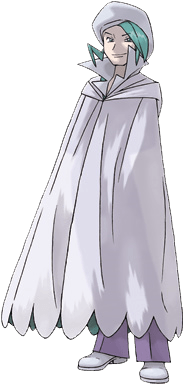
Wallace, the Sootopolis Gym Leader of Ruby and Sapphire, is Hoenn’s Champion in Emerald, and his old mentor Juan has taken the Gym back. Juan uses Water types and hands over the Rain Badge and TM03 Water Pulse after a battle against Luvdisc (Lv. 41), Whiscash (41), Sealeo (43), Crawdaunt (43) and Kingdra (46), every one of them knowing Water Pulse. His toughest rematch team swaps in Lapras, Politoed and Walrein around a Lv. 66 Kingdra. Wallace’s Champion team is Wailord (57), Tentacruel (55), Whiscash (56), Ludicolo (56), Gyarados (56) and Milotic (58), in a Champion’s room recoloured from purple to blue.

In the anime
Emerald’s additions reached the anime in two places: Juan took the Sootopolis Gym at the end of Ash’s Hoenn run, and the Battle Frontier became a whole season of its own, moved to Kanto.
Anime seasons which loosely tie in with Pokémon Emerald (in terms of locations, NPCs such as Gym Leaders and Pokémon):
 Season 6: Advanced2002–2003Ash arrives in Hoenn with Pikachu, meets May and Max, and takes the first three Badges from Roxanne, Brawly and Wattson – the Hoenn that Emerald revisits.
 Season 7: Advanced Challenge2003–2004Flannery, Norman and Winona’s Badges, May’s Contests and Team Magma and Team Aqua in the background, as in Emerald’s two-team story.
 Season 8: Advanced Battle2004–2005Ash’s Hoenn Gym run ends against Juan, Emerald’s new Sootopolis Leader, in ‘The Great Eight Fate!’ and ‘Eight Ain’t Enough!’. Back in Kanto, Scott introduces the Battle Frontier in ‘The Scheme Team’, and Ash wins his first Symbol from Noland at the Battle Factory.
 Season 9: Battle Frontier2005–2006The season adapts Emerald’s post-game, relocated to Kanto. With Scott refereeing and turning up at every facility, Ash takes on the remaining Brains one by one: Greta at the Battle Arena, Tucker at the Dome, Lucy at the Pike, Spenser at the Palace, Anabel at the Tower and finally Brandon at his flying Pyramid. Having collected all seven Symbols, he turns down Scott’s offer to become a Frontier Brain.
The Emerald episodes
The Juan and Battle Frontier episodes:
- AG110
 The Great Eight Fate! – Juan’s debut: a water show in Sootopolis, Team Rocket driven off and his Coordinator past revealed; the Gym battle concludes in ‘Eight Ain’t Enough!’ (AG111).
- AG132The Scheme Team – Scott meets Ash outside Viridian Gym and tells him about the Battle Frontier.
- AG135Numero Uno Articuno – Ash’s Charizard beats Factory Head Noland’s Articuno with Seismic Toss for the Knowledge Symbol.
- AG149Wheel of Frontier – Ash’s Snorlax beats both of Arena Tycoon Greta’s Pokémon for the Guts Symbol.
- AG153Tactics Theatrics!! – Ash takes on Dome Ace Tucker at the Battle Dome.
- AG158Queen of the Serpentine! – Ash’s battle with Pike Queen Lucy at the Battle Pike.
- AG170Second Time’s the Charm! – Ash beats Salon Maiden Anabel in a rematch, Pikachu’s Volt Tackle downing Espeon for the Ability Symbol.
- AG190Pace – The Final Frontier! – Ash finally defeats Pyramid King Brandon, completing the Battle Frontier.
What Emerald changes
Pokémon Emerald is an enhanced version of Ruby and Sapphire with various changes, and Nintendo also saw fit to implement features and traits from FireRed and LeafGreen. Here is everything that changed, list by list:
Gameplay

- There are two new opportunities to capture Groudon and Kyogre. Groudon can be captured at Terra Cave and Kyogre can be captured at Marine Cave. They are both at a higher level than when you caught them in Ruby and Sapphire.
- International releases of Pokémon Emerald didn’t include e-Reader support, so if players wanted access to e-Reader-exclusive items such as the Eon Ticket they’d have to mix records with a copy of Ruby or Sapphire that had scanned them.
- Contests now take place in Lilycove City.
- Berries can be used to lower effort values and raise friendship.
- Once you complete the Hoenn Pokédex (minus Jirachi and Deoxys) you can go back to Professor Birch and he’ll allow you to choose one of the Johto starters: Chikorita, Cyndaquil or Totodile.
- Pickup works a little differently now, and the items Pokémon pick up are based on their level.
- In Emerald, Deoxys is encountered in its Speed Forme.
- The Team Magma and Team Aqua hideouts don’t get sealed off after Tate and Liza are defeated.
- Battles with Magma and Aqua played the standard battle theme and used the standard Trainer battle animation in Ruby and Sapphire. In Emerald, however, each of the teams has its own theme playing during battle and its own entry animations.
- Double Battles can be triggered whenever the player gets spotted by two Trainers at once, making them more frequent than in R&S.
- The roaming Pokémon of the Hoenn region, Latias and Latios, can be chosen immediately after you defeat the Elite Four. The one you don’t select will move down to Southern Island, which can only be accessed with the Eon Ticket promo item.
- New trading restrictions are in place in Emerald. When the player has only a regional Pokédex they can only trade with Ruby, Sapphire and other Emerald carts. Once the player gets the National Pokédex, however, they will be able to trade with fellow GBA titles FireRed and LeafGreen as well as the GameCube’s Pokémon XD: Gale of Darkness. These restrictions also apply to Eggs. You can trade with Pokémon Colosseum simply by having the Hoenn Pokédex.
Storyline differences

- Where only one villainous team took on the role of main antagonist in the previous titles (Magma for Ruby, Aqua for Sapphire), in Emerald both teams are running rampant and will cause mischief for the player. Both teams will also fulfil their goals of awakening their sought-after Legendary Pokémon, Groudon and Kyogre, who then lock into a battle.
- Rayquaza, Emerald’s Legendary mascot, is an important part of the plot in Emerald. Rayquaza is summoned to stop the destruction that the battle between Groudon and Kyogre is causing, as it threatens to decimate the whole of Hoenn. Rayquaza is the only one of these ancient Legendary Pokémon that can be captured before taking on the Elite Four.
Characters

- A new NPC named Scott was added in Emerald; he will encounter the player several times throughout the main story, eventually fulfilling his purpose by inviting the player to the Battle Frontier once they’ve defeated the Elite Four. Check out our Battle Frontier guide for Ruby, Sapphire and Emerald for more info.
- The Sootopolis Gym has a new leader, Juan. Wallace, the former Sootopolis Gym Leader, has since become the Champion of the Hoenn region.
- Once the Elite Four are defeated, the former Champion of R&S, Steven, can be battled at Meteor Falls; he has the same Pokémon he did previously, but they’re all 20 levels higher.
- Brendan and May have got changed since the previous titles; their new clothing is a little more green, in line with the ‘Emerald’ theme.
- Interestingly, when you find Prof. Birch being chased, this time it’s a Zigzagoon chasing him. But the plot thickens: the first Pokémon Trainer you fight in Emerald after your rival will be using a Poochyena instead of a Zigzagoon. So it seems whichever Pokémon that Trainer didn’t capture will be the one to antagonise the poor old Professor.
- Brendan/May’s home previously had a Machoke in it; there’s now a Vigoroth there. In the Japanese version of Emerald the Vigoroth actually still has the Machoke’s cry, but this was corrected in international releases.
- Move Tutors have been added which teach the vast majority of moves from LeafGreen and FireRed, with only the exceptions of Frenzy Plant, Blast Burn and Hydro Cannon. There are also some who teach moves you could previously only get via TMs in Gen II.
Graphics
- For the first time since Pokémon Crystal, animated front sprites are back, and since Emerald they have been considered standard for the core-series games. Emerald also introduced animated back sprites.
- On Route 101 it was a young boy blocking the way; in Emerald it’s a young girl.
- Since the events of Ruby and Sapphire all of the Gyms have had a little decorative overhaul and had some bits moved around, presumably to accommodate Double Battles. The Mossdeep Gym, for example, has got a new puzzle maze challenge. The Gyms now also display their Gym Badges behind their Leaders.
- When you battle a Legendary Pokémon they have an extended pre-battle animation prior to starting the actual battle.
Features brought in from FireRed and LeafGreen
- Wireless linking is available in the Union Room, just like in FireRed and LeafGreen.
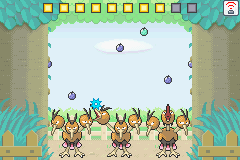
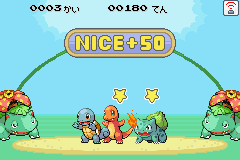
- The Pokémon Jump and Dodrio Berry Picking wireless mini-games can be played in Mossdeep City’s Game Corner. These act as a replacement for the e-Reader Trainers’ house in R&S.
- A Pokémon’s PP counter now changes colour according to how much PP it has left.
- The game text is much more similar to FireRed/LeafGreen’s.
- When a Pokémon is successfully captured a stars animation pops from the Poké Ball.
- There is a Mystery Gift system just like in FireRed/LeafGreen, which in the Japanese version requires either e-Reader usage or GBA Wireless Adapter usage. Internationally released versions can only access the Mystery Gift system via the GBA Wireless Adapter, as they don’t have e-Reader support.
Music
Pokémon Emerald contains a large part of the soundtrack from LeafGreen and FireRed in its data, although only a handful of tracks were actually implemented:
- The Sevii Islands theme plays at Navel Rock.
- The Caves of Mt. Moon theme plays at Altering Cave.
- The theme when a Pokémon is caught is the same as the one from FireRed/LeafGreen.
- The Legendary Pokémon battle theme from FR/LG is used when you take on Ho-Oh and Lugia at Navel Rock.
- During the Deoxys encounter on Birth Island it plays both the Deoxys Appears and Battle! (Deoxys) themes from FR/LG.
- When you take on Mew at Faraway Island the Battle! (Mew) theme is played, which is a pumped-up, more dramatic version of the Battle! (Legendary Pokémon) theme.
In depth: Emerald’s new systems
The headline additions in more detail, with the fine print.



The Battle Frontier
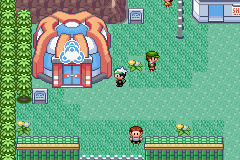
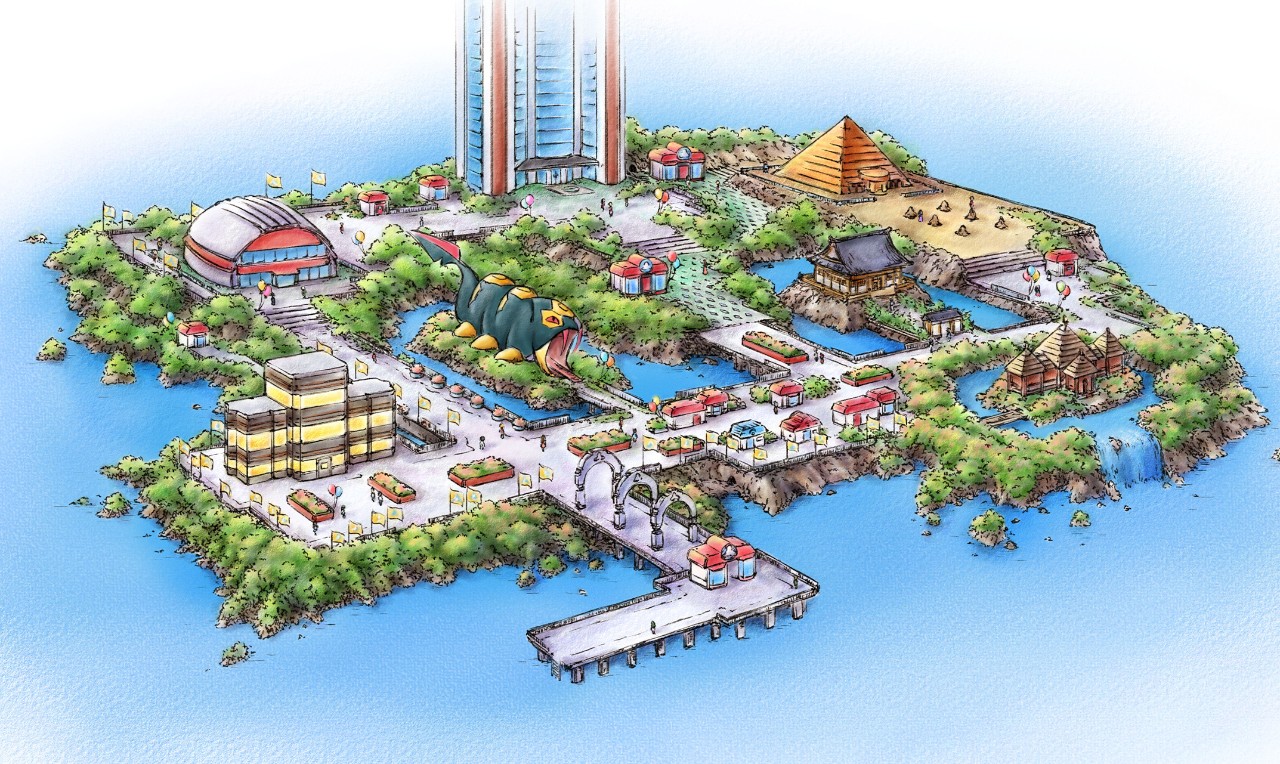
Emerald’s headline addition replaces Ruby and Sapphire’s lone Battle Tower with a whole island south of Route 130, owned by Scott and reached only on the S.S. Tidal from Lilycove or Slateport. On a first visit your Trainer Card is upgraded to a Frontier Pass, which stores your Symbols, Battle Points and one recorded battle per facility. The rules apply everywhere: no two Pokémon may share a species or held item, battles give no experience or money, and Mewtwo, Mew, Lugia, Ho-Oh, Celebi, Kyogre, Groudon, Rayquaza, Jirachi, Deoxys and Eggs are barred.
The seven facilities
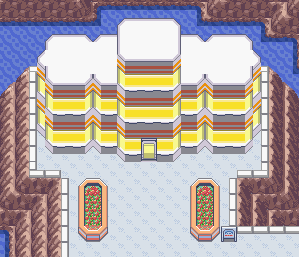
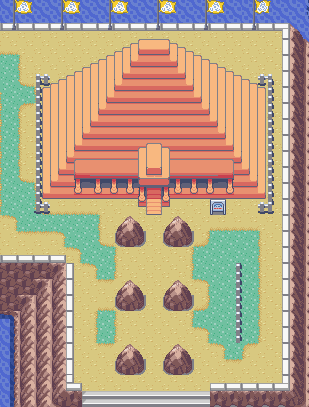
Battle Tower: rounds of seven Single, Double or Multi battles at Lv. 50 or Open Level. Battle Dome: 16-Trainer knockout tournaments, choosing two of your three Pokémon for each match. Battle Palace: your Pokémon pick their own moves according to their Nature. Battle Arena: three-turn bouts judged on Mind, Skill and Body, with no switching. Battle Factory: rental Pokémon, swapping one after each win. Battle Pike: choose one of three paths per room, meeting battles, healing or nasty surprises. Battle Pyramid: climb seven dark floors with wild Pokémon, gathering items in a Battle Bag.



The seven Frontier Brains
Each facility has a Frontier Brain who steps in at set points of a winning streak, always for a three-on-three single battle. Beat one for a Silver Symbol, then reach and beat them again within the same streak for Gold: Anabel at the Tower’s 35th and 70th battles, Tucker after five and ten Dome titles, Spenser and Noland after 21 and 42 wins, Greta after 28 and 56, Lucy after 14 and 70 Pike rooms, and Brandon after 21 and 70 Pyramid floors. Unlike Badges, Symbols unlock nothing in the shops.


Salon Maiden AnabelBattle Tower · Ability Symbol
Team: Silver: Alakazam, Entei, Snorlax. Gold: Raikou, Latios, Snorlax.
Faced in Single battles as the 35th and 70th opponent. In the anime she reads feelings telepathically, beats Ash in ‘Talking a Good Game!’ (AG169) and loses the rematch to Pikachu’s Volt Tackle in ‘Second Time’s the Charm!’ (AG170).

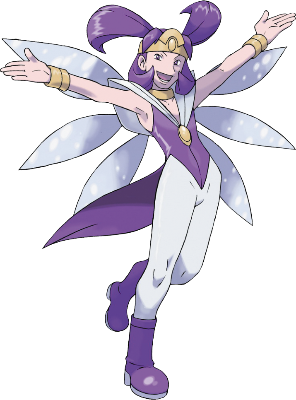
Dome Ace TuckerBattle Dome · Tactics Symbol
Team: Silver: Swampert, Salamence, Charizard. Gold: Swampert, Metagross, Latias. He sends out two of the three.
Challenges you after five and ten tournament wins. His Pokémon have 20 IVs in every stat for Silver and 31 for Gold, while ordinary Dome Trainers are stuck at 3. Anime: ‘Tactics Theatrics!!’ (AG153).

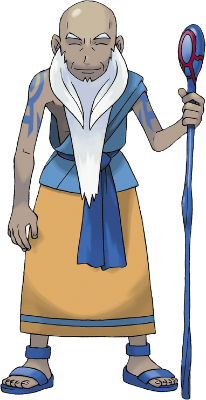
Palace Maven SpenserBattle Palace · Spirits Symbol
Team: Silver: Crobat, Slaking, Lapras. Gold: Arcanine, Slaking, Suicune.
Appears after 21 and 42 straight wins, where Pokémon choose their own moves by Nature. In Pokémon Adventures he lets Emerald skip the 41 practice battles normally needed to reach him.

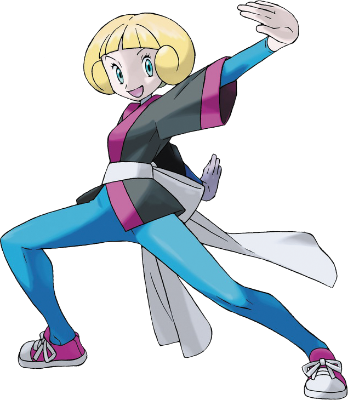
Arena Tycoon GretaBattle Arena · Guts Symbol
Team: Silver: Heracross, Umbreon, Shedinja. Gold: Umbreon, Gengar, Breloom.
Waits after your 28th and 56th wins in the judged three-turn format. In the anime, ‘Wheel of Frontier’ (AG149), a spinning wheel sets a two-on-two match and Ash’s Snorlax beats both her Pokémon.

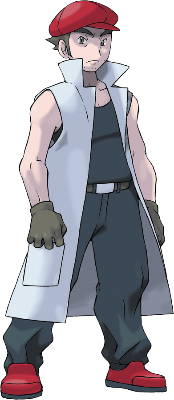
Factory Head NolandBattle Factory · Knowledge Symbol
Team: Random rental Pokémon from the current round’s pool, with IVs fixed at 15 (Silver) or 31 (Gold).
Faced at the 21st and 42nd battles. He is the first Brain Ash meets: in ‘Numero Uno Articuno’ (AG135) Charizard beats his Articuno with Seismic Toss, earning Ash his first Symbol.

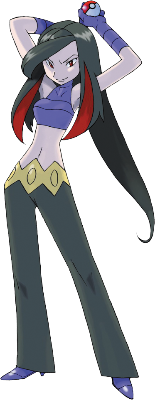
Pike Queen LucyBattle Pike · Luck Symbol
Team: Silver: Seviper, Shuckle, Milotic. Gold: Seviper, Steelix, Gyarados.
Appears after 14 rooms and again after 70, at a facility built to look like a Seviper, whose hexagon markings also decorate her Symbol. Ash’s Pike battle comes in ‘Queen of the Serpentine!’ (AG158).

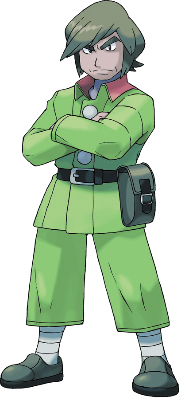
Pyramid King BrandonBattle Pyramid · Brave Symbol
Team: Silver: Regirock, Registeel, Regice. Gold: Articuno, Zapdos, Moltres.
Waits at the summit after 21 and 70 floors. The anime’s Pyramid can fly; Ash finally beats him in ‘Pace – The Final Frontier!’ (AG190), and he later battles Paul in ‘A Pyramiding Rage!’ (DP128).
Battle Points, prizes and the Frontier Pass
Winning streaks pay out Battle Points (BP). The Exchange Service Corner sells vitamins at 1 BP each, held items such as Leftovers, Choice Band, Focus Band and Scope Lens for 48 to 64 BP, and dolls up to the 256 BP Venusaur, Charizard and Blastoise. Two Move Tutors beside the Battle Dome charge 16 to 48 BP for moves including Softboiled, Body Slam, Swords Dance, Thunder Wave and the elemental punches. Scott adds the Silver and Gold Shields for Tower streaks and a Lansat or Starf Berry for full sets of Symbols.


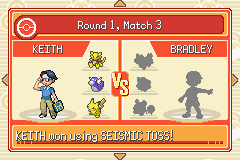

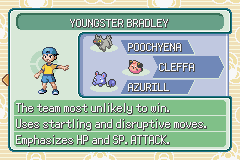
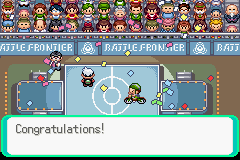
For round-by-round tactics see our Battle Frontier guide.
New places in Hoenn
Emerald adds more new ground to Hoenn than any third version before it. Here is every new or rebuilt location, with what waits inside.
Battle Frontier
The Battle Frontier fills the sea south of Route 130, on the spot where Ruby and Sapphire’s lone Battle Tower stood, and the S.S. Tidal is the only way in. Scott greets you at the gate and then retires to his house between the Battle Dome and the Battle Tower. Seven facilities are spread across the island, from the Seviper-shaped Battle Pike to the Battle Pyramid. Between them sit the Exchange Service Corner, two Move Tutors who take Battle Points, a judge who rates your Pokémon’s potential, a Ranking Hall that compares records with other Emerald players and a Trainer who swaps Meowth for Skitty. A Lv. 40 Sudowoodo blocks the way to Artisan Cave, home only to Smeargle. No wild Pokémon live outdoors.
Pokémon of note: Smeargle (Artisan Cave), Sudowoodo (Lv. 40, needs the Wailmer Pail), Meowth (in-game trade for Skitty). Items: Frontier Pass, Silver and Gold Shields (50 and 100 Battle Tower wins), Lansat Berry (all seven Silver Symbols), Starf Berry (all seven Gold Symbols).
Trainer Hill
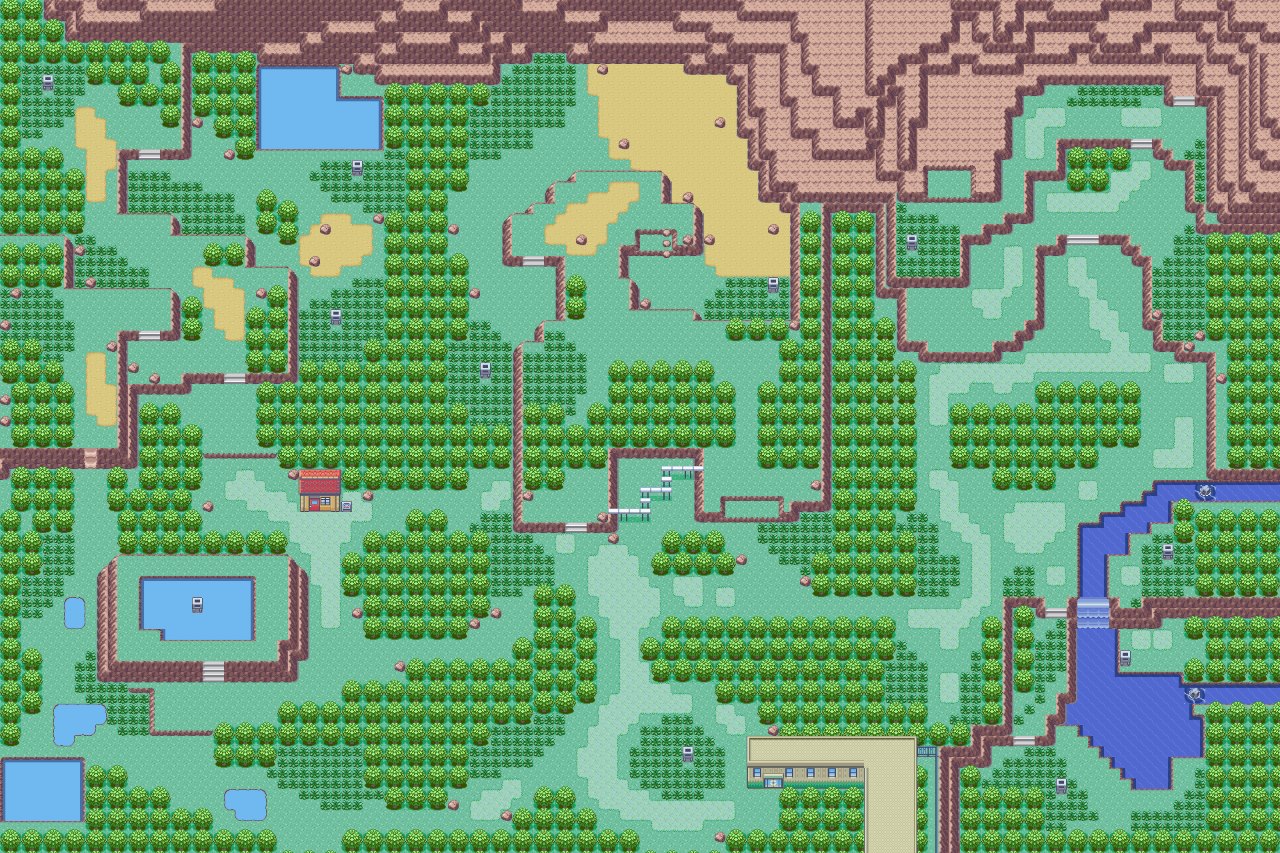
Trainer Hill stands on Route 111 just north of Mauville City, a timed tower of Double Battles modelled on FireRed and LeafGreen’s Trainer Tower. Outside Japan its doors stay shut until you are Champion. Inside, four modes of rising difficulty, Normal, Variety, Unique and Expert, pit you against Trainers whose Pokémon match your strongest, and nothing is healed between battles, so recovery items matter. A run under 12 minutes earns a grand prize that changes with the mode; slower times pay out an Ether, Max Potion, Revive, Fluffy Tail or Great Ball. In Japan, Battle e Emerald cards rewrote the Trainers and layouts and could extend the default two floors to four.
Items: Max Ether, Sunny Day and Giga Drain (mode grand prizes), Ether, Max Potion and Revive (time prizes).

Mirage Tower
Out in the Route 111 desert, the Mirage Tower flickers in and out of sight as you come and go. Its four storeys of crumbling floor demand a Mach Bike ridden at speed and Rock Smash, with wild Sandshrew and Trapinch for company. At the top lie the Root Fossil and the Claw Fossil. Take one and the tower collapses for good while the other sinks into the sand, resurfacing only after the Hall of Fame at the end of the Desert Underpass. Its name, desert setting, conditional appearance and spiral interior have drawn comparisons with the Mirage Tower of the original Final Fantasy, and a Backpacker in Black 2 and White 2’s Desert Resort recalls it.
Pokémon of note: Sandshrew, Trapinch. Items: Root Fossil, Claw Fossil.

Desert Underpass
A post-game tunnel behind the Fossil Maniac’s house on Route 114, the Desert Underpass burrows east beneath the mountains north of Fallarbor Town and ends in a sandy dead end. Waiting there is whichever fossil you left behind at the Mirage Tower, so an Emerald player can eventually own both. The tunnel is also the only place in the game to find Ditto, which makes up half of all encounters at Lv. 38 to 45, with Whismur and Loudred filling the rest. It borrows Mt. Chimney’s background music.
Pokémon of note: Ditto, Whismur, Loudred. Items: Root Fossil or Claw Fossil (whichever was left at the Mirage Tower).

Magma Hideout (Jagged Pass)
Emerald moves Team Magma’s base from Lilycove into the heart of Mt. Chimney, with its entrance halfway up Jagged Pass. A lone grunt guards the door until you pick up the Magma Emblem on Mt. Pyre. The hideout is cruder than the Lilycove base: tunnels dug purely to reach Groudon, drilling machinery and pools of lava instead of warp panels, and wild Geodude, Graveler and Torkoal in the passages. Admin Tabitha waits on the lower floors, and deeper still Maxie wakes Groudon just before you battle him, only to watch it slip out of his control.
Pokémon of note: Groudon (awakened here, not catchable), Geodude, Graveler, Torkoal. Items: Rare Candy, PP Max, Max Revive, Full Restore.
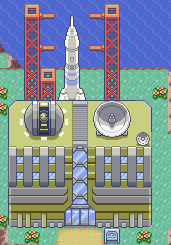
Mossdeep Space Center
Hoenn’s rocket base becomes a battleground in Emerald. After you win the Mind Badge, Team Magma, having failed to tame Groudon, posts a warning letter and then storms the building for rocket fuel to make Mt. Chimney erupt. Clear the grunts on the ground floor and Steven joins you upstairs for a Multi Battle against Maxie and Tabitha. In calmer times a Sailor hands out a Sun Stone and a man by the window counts launches, one for every week since your save began; the count stops if the cartridge’s clock battery dies. The centre closes while abnormal weather grips Mossdeep.
Pokémon of note: Metang, Skarmory and Aggron (Steven’s partners), Camerupt (Maxie’s lead, Lv. 44), Golbat (Tabitha’s ace, Lv. 40). Items: Sun Stone.
Terra Cave and Marine Cave
These two post-game caves have no fixed home. The Weather Institute tracks which route is suffering abnormal weather, and that marks the spot: Terra Cave on Route 114, 115, 116 or 118, Marine Cave on water Route 105, 125, 127 or 129. Only one appears at a time, and dawdle too long and it vanishes while its twin turns up instead. At the back waits a Lv. 70 Groudon with Drought or a Lv. 70 Kyogre with Drizzle. Run away and they return when you re-enter; catch or defeat them and the cave is gone for good. Inside Terra Cave you can even glimpse past the edges of the map.
Pokémon of note: Groudon (Lv. 70), Kyogre (Lv. 70).

Sky Pillar
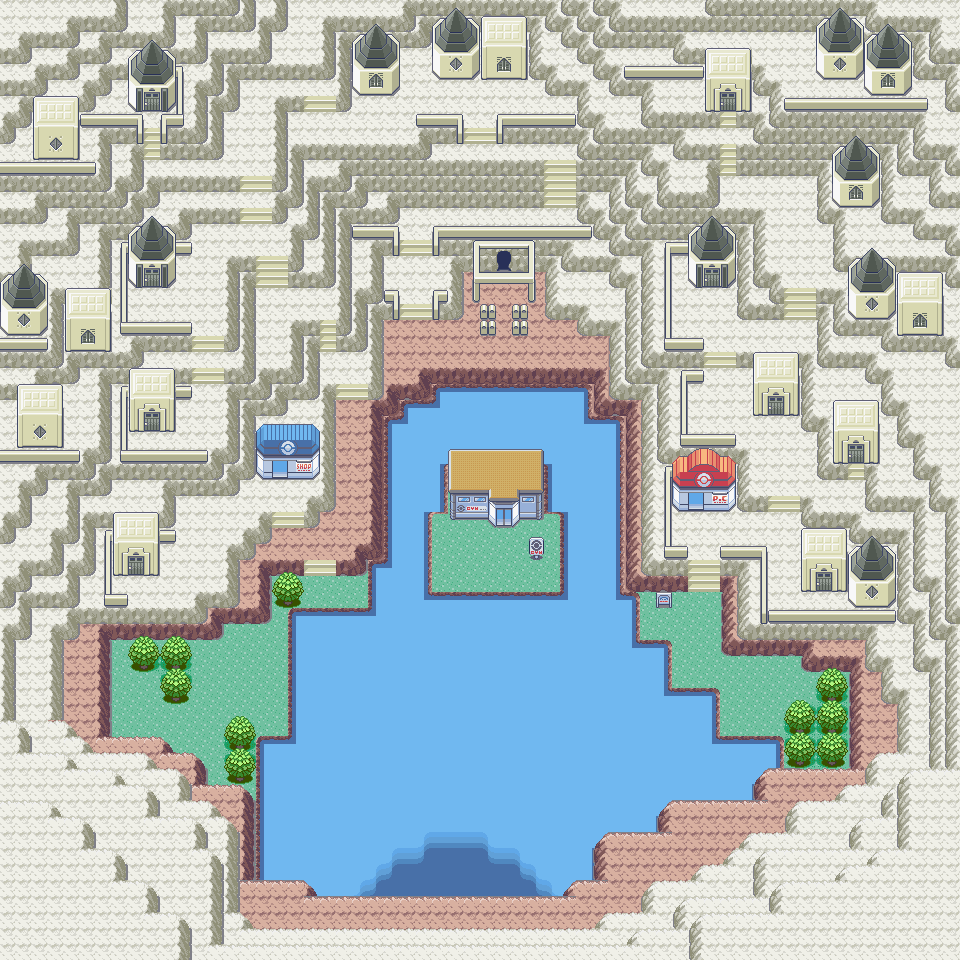
The Sky Pillar is where Emerald’s story peaks. With Groudon and Kyogre fighting over Sootopolis, Wallace unlocks its doors and you climb to the top to rouse Rayquaza; on that first ascent the floors are less broken, so no Mach Bike is needed. Once the crisis is over, Rayquaza returns to the summit and waits at Lv. 70, and this time the cracked tiles on the second and fourth floors call for the Mach Bike. In Ruby and Sapphire rock walls keep the island sealed until after the Hall of Fame, but Emerald lets you catch Rayquaza before the Elite Four. Golbat, Sableye, Claydol, Banette and Dusclops lurk on the way up.
Pokémon of note: Rayquaza (Lv. 70), Sableye, Claydol, Banette, Dusclops, Golbat.

Faraway Island
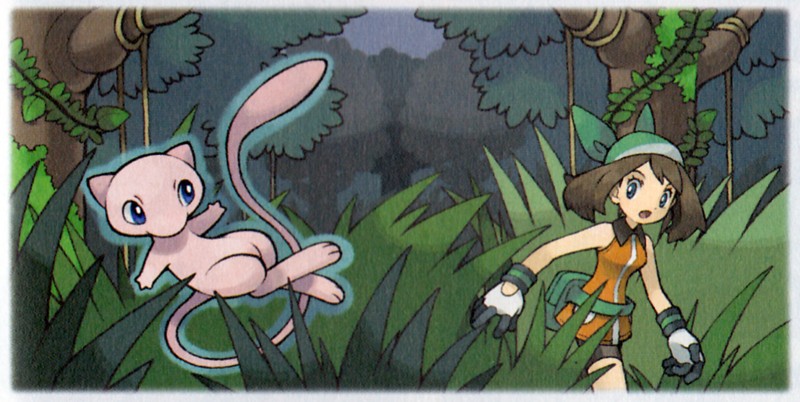
Faraway Island is Emerald’s most elusive destination, marked only on the Old Sea Map, an event item handed out in Japan and Taiwan. A ship from Lilycove carries you to a single field of long grass where Mew hides, its tail flicking above the blades. Cut the grass and it is gone; corner it and it battles at Lv. 30 with Pound, Transform, Mega Punch and Metronome. A faded sign dated the sixth of some month carries, in Japanese, a fragment of a signature widely read as Mr. Fuji’s, and promotional material places this as the island where Mew was set free. The music borrows Southern Island’s Abandoned Ship theme, and the fight uses Battle! (Mew).
Pokémon of note: Mew (Lv. 30). Items: Old Sea Map.
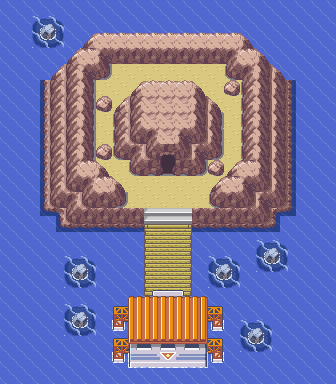
Navel Rock
Navel Rock is a Sevii Islands outcrop shared with FireRed and LeafGreen, reached in Emerald by taking the MysticTicket aboard the S.S. Tidal at Lilycove. It never appears on the PokéNav map. The cave splits two ways: climb to the open-air summit on the fourth floor for Ho-Oh, or descend fourteen basement levels for Lugia, both at Lv. 70. Ho-Oh holds a Sacred Ash and a second lies hidden where it stood. Emerald paints the interior gold where FireRed and LeafGreen used silver, a likely nod to Gold and Silver. The MysticTicket reached some players through events such as the 2005 Comic-Con.
Pokémon of note: Lugia (Lv. 70), Ho-Oh (Lv. 70). Items: MysticTicket, Sacred Ash (held by Ho-Oh, plus a hidden one).

Birth Island
Birth Island, another FireRed and LeafGreen location, opens in Emerald with the AuroraTicket and a sailing on the S.S. Tidal; like Navel Rock it never shows on the PokéNav map. Its centrepiece is a black triangular rock. Move it around the island in an exact eleven-step sequence, each correct move making it glow brighter, and it shatters to release Deoxys. Emerald’s Deoxys is Lv. 30 with Knock Off, Pursuit, Psychic and Swift, battles on an indoor-style backdrop rather than FireRed and LeafGreen’s mountain scene, and settles into Speed Forme once caught. Japanese Emerald never received the AuroraTicket. The island may be modelled on the triangular atoll of Minamitorishima.
Pokémon of note: Deoxys (Lv. 30, Speed Forme). Items: AuroraTicket.

Southern Island
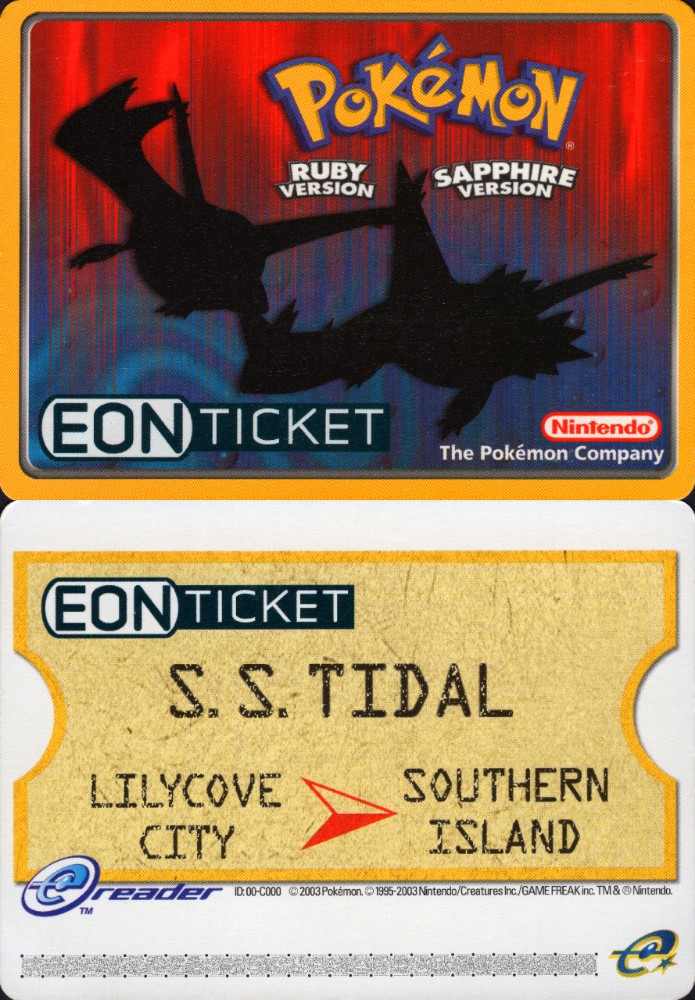
Southern Island is the quiet home of the second Eon Pokémon. Board the S.S. Tidal at Lilycove with the Eon Ticket and a Sailor drops you off; whichever of Latias and Latios is not roaming waits there at Lv. 50, holding a Soul Dew. Emerald is kinder than Ruby and Sapphire, which never let you return after the battle: here you can come back whenever you like, a knocked-out Eon Pokémon reappears after the Hall of Fame, and if you steal its Soul Dew it returns holding another, making Emerald the only version with unlimited Soul Dews. The ticket is the hard part: Emerald can only receive it by mixing records with a Ruby or Sapphire game that has one.
Pokémon of note: Latias (Lv. 50), Latios (Lv. 50). Items: Eon Ticket, Soul Dew.

Altering Cave
Tucked into the east bank of Route 103 and open only after the Hall of Fame, the Altering Cave was built to change. A planned Mystery Gift distribution would have replaced its Zubat with one of eight Johto species: Mareep, Houndour, Aipom, Pineco, Shuckle, Teddiursa, Stantler or Smeargle, some of them carrying Ganlon, Petaya, Apicot or Salac Berries, a Big Mushroom or Berry Juice. None was ever released, so the cave holds nothing but Zubat between Lv. 6 and 16, while unused text that would have spread rumours of rare sightings on Route 103 still sits in the game. The background music is FireRed and LeafGreen’s Caves of Mt. Moon.
Pokémon of note: Zubat, Mareep, Houndour, Aipom, Pineco, Shuckle, Teddiursa, Stantler, Smeargle (planned, never distributed).
Safari Zone extension
Emerald adds two new areas to Hoenn’s Safari Zone once you are Champion: Area 5 directly east of Area 1, and Area 6 to its north. Every Pokémon in them comes from Johto. Area 5’s grass holds Hoothoot, Spinarak, Mareep, Aipom, Sunkern, Gligar, Snubbull and Stantler, with Marill, Wooper and Quagsire on the water and Goldeen, Magikarp, Remoraid and Octillery on the line. Area 6 adds Ledyba, Pineco, Teddiursa, Houndour and Miltank, plus Shuckle under Rock Smash boulders. Hidden items include a Rare Candy, Zinc, PP Up and Full Restore, and the Pokéblock feeders can steer the Natures of nearby wild Pokémon.
Pokémon of note: Mareep, Gligar, Snubbull, Miltank, Shuckle, Remoraid. Items: Rare Candy (hidden), PP Up (hidden), Full Restore (hidden), Nugget.
Can I catch them all?
Some Pokémon from the Hoenn Pokédex are absent in Pokémon Emerald and can only be obtained via trading with another Gen III title. There are seven of them, and conveniently all seven can be found in Pokémon XD: Gale of Darkness:
In Ruby or Sapphire, but not in Emerald
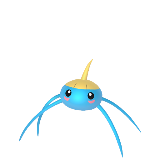 Surskit#283
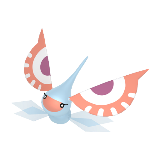 Masquerain#284
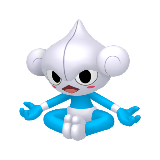 Meditite#307
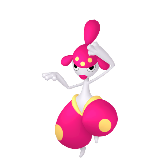 Medicham#308
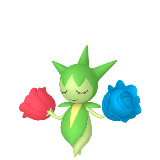 Roselia#315
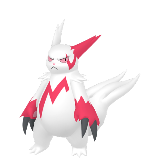 Zangoose#335
 Lunatone#337
Additionally, Surskit CAN appear in the wild in Emerald, but only if you’ve mixed records with a copy of Ruby or Sapphire and a swarm is on. There’s no other way to catch Surskit in a standalone copy of Emerald. Brawly, Wally and Tate & Liza all use Pokémon from this list against you.
What else you cannot catch
- Articuno, Zapdos, Moltres and Mewtwo – No Generation I Legendary can be caught in Emerald; Brandon uses all three birds, but they cannot be won.
- Mew – Needs the Old Sea Map, distributed only in Japan and Taiwan.
- Lugia – Needs the event-only MysticTicket.
- Ho-Oh – Needs the event-only MysticTicket.
- Jirachi – No encounter in Emerald; it has to be brought in from outside the game.
- Deoxys – Needs the event-only AuroraTicket, never distributed for Japanese Emerald.
Beyond those, Emerald’s Hoenn Pokédex gaps are the seven above, and the 184 Kanto and Johto species outside the Hoenn Pokédex still have to be traded in from FireRed, LeafGreen, Colosseum or XD – apart from the Johto Pokémon the Safari Zone extension and Birch’s starters now supply.
New since Ruby & Sapphire
What Emerald puts within reach that the paired games did not:
- Chikorita/Cyndaquil/Totodile – Professor Birch, once the Hoenn Pokédex is complete (Jirachi and Deoxys excepted)
- Hoothoot, Spinarak, Ledyba, Mareep, Aipom, Sunkern, Gligar, Snubbull, Stantler, Pineco, Teddiursa, Houndour, Miltank, Shuckle, Marill, Wooper, Quagsire, Remoraid, Octillery – Safari Zone Areas 5 and 6, after the Hall of Fame
- Smeargle – Artisan Cave in the Battle Frontier, its only wild Pokémon
- Sudowoodo – One Lv. 40 encounter in the Battle Frontier, woken with the Wailmer Pail
- Ditto – Desert Underpass (Lv. 38 to 45), its only location in Emerald
- Meowth – In-game trade for Skitty at the Battle Frontier
- Groudon and Kyogre – Both in one game, at Lv. 70 in Terra Cave and Marine Cave after the Hall of Fame
- Rayquaza – Catchable before the Elite Four at the Sky Pillar
- Latias or Latios – You choose which one roams; the other needs the Eon Ticket
- Mew – Faraway Island with the Old Sea Map (Japanese and Taiwanese events only)
- Lugia and Ho-Oh – Navel Rock with the MysticTicket
- Deoxys (Speed Forme) – Birth Island with the AuroraTicket
- Root Fossil and Claw Fossil – One from the Mirage Tower, the other from the Desert Underpass after the Hall of Fame
Starter Pokémon
Six starters: the Hoenn three, then Professor Birch’s Johto trio once the Hoenn Pokédex is complete.
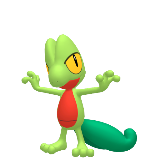 TreeckoGrass · Grovyle, then Sceptile
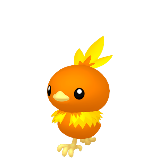 TorchicFire · Combusken, then Blaziken
 MudkipWater · Marshtomp, then Swampert
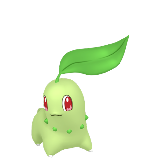 ChikoritaGrass · Bayleef, then Meganium
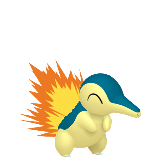 CyndaquilFire · Quilava, then Typhlosion
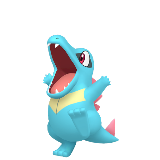 TotodileWater · Croconaw, then Feraligatr
- Treecko: Choose Treecko and your rival starts with Torchic, later fielding Combusken alongside Lombre, Wingull, Pelipper, Tropius and Ludicolo across up to five battles.
- Torchic: Choose Torchic and your rival takes Mudkip, which grows into Marshtomp beside Lombre, Slugma, Torkoal, Tropius and Ludicolo over the course of the game.
- Mudkip: Choose Mudkip and your rival takes Treecko, which becomes a Grovyle backed by Wingull, Slugma, Lombre, Pelipper and Tropius from Route 110 onwards.
- Chikorita: One of the three Johto starters Professor Birch offers once your Hoenn Pokédex is complete, Jirachi and Deoxys aside; you may take only one.
- Cyndaquil: The Fire-type member of Birch’s Johto trio, offered alongside Chikorita and Totodile once your Hoenn Pokédex is complete; only one of the three can be taken.
- Totodile: The Water-type member of Birch’s Johto trio, offered alongside Chikorita and Cyndaquil once your Hoenn Pokédex is complete; only one of the three can be taken.
Legendary and Mythical Pokémon
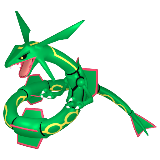 RayquazaSky Pillar
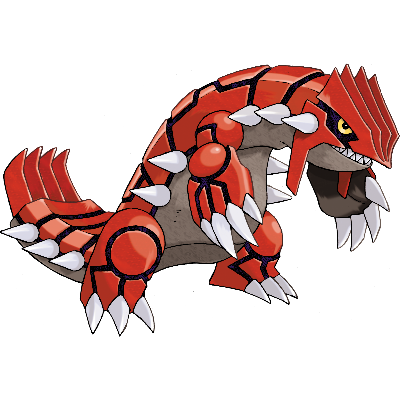
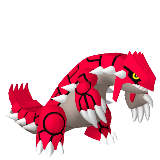 GroudonTerra Cave
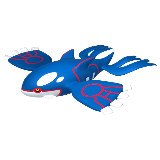 KyogreMarine Cave
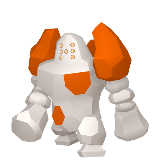 RegirockThe three tombs
 RegiceThe three tombs
 RegisteelThe three tombs
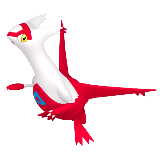 LatiasRoams or Southern Island
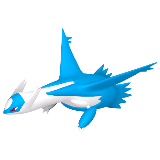 LatiosRoams or Southern Island
 MewFaraway Island
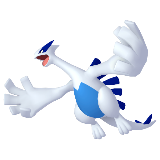 LugiaNavel Rock
 Ho-OhNavel Rock
 DeoxysBirth Island
 JirachiEvent only
Rayquaza – Lv. 70, Sky Pillar (summit). Wake it with Wallace’s help during the Sootopolis crisis; once Groudon and Kyogre are calmed it returns to the summit and can be caught before the Hall of Fame. The Mach Bike is needed for the cracked second and fourth floors. Flee and it reappears when you re-enter.
Groudon – Lv. 70, Terra Cave (Route 114, 115, 116 or 118). After the Hall of Fame, ask the man at the Weather Institute which route has abnormal weather and reach the cave before it moves. Ability Drought; Fire Blast, Rest, Fissure, SolarBeam. The cave disappears once Groudon is caught or defeated.
Kyogre – Lv. 70, Marine Cave (Route 105, 125, 127 or 129). As for Groudon, but on a water route. Ability Drizzle; Hydro Pump, Rest, Sheer Cold, Double-Edge. Never appears at the same time as Terra Cave.
Regirock, Regice and Registeel – Lv. 40, Desert Ruins, Island Cave and Ancient Tomb. Dive on Route 134 to reach the Sealed Chamber, use Dig at the door marked ‘DIG HERE’, then read the back wall with Wailord first and Relicanth last in your party, the reverse of Ruby and Sapphire. The quake that follows opens the three tombs.
Latias – Lv. 40 (roaming) / 50 (Southern Island), Roaming Hoenn, or Southern Island. After the Hall of Fame, tell your mother the Pokémon on TV was red and Latias roams; answer blue and Latias waits on Southern Island instead, reached with the Eon Ticket and holding a Soul Dew.
Latios – Lv. 40 (roaming) / 50 (Southern Island), Roaming Hoenn, or Southern Island. Answer blue to your mother after the Hall of Fame and Latios roams; answer red and it waits on Southern Island with a Soul Dew. Emerald’s Eon Ticket comes only from mixing records with a Ruby or Sapphire game that holds one.
Mew – Lv. 30, Faraway Island. Old Sea Map (Japan and Taiwan events). Mew hides in the grass; cutting it makes Mew vanish. Fleeing lets it reappear, and if defeated it returns after the Hall of Fame.
Lugia – Lv. 70, Navel Rock (B14F). MysticTicket, then the S.S. Tidal from Lilycove. Returns after the Hall of Fame if defeated.
Ho-Oh – Lv. 70, Navel Rock (4F summit). MysticTicket, then the S.S. Tidal from Lilycove. Holds a Sacred Ash.
Deoxys – Lv. 30, Birth Island. AuroraTicket, then the S.S. Tidal. Solve the triangle-rock puzzle to summon it; it becomes Speed Forme once caught.
Jirachi – Event only. Jirachi has no encounter in Emerald and has to come from outside the game: the Pokémon Colosseum Bonus Disc in North America, or a trade.

Gift Pokémon and in-game trades
Pokémon you are simply handed:
- Treecko, Torchic or Mudkip – Professor Birch. Your first partner, chosen when you save Professor Birch from a wild Zigzagoon
- Chikorita, Cyndaquil or Totodile – Professor Birch. After completing the Hoenn Pokédex, Jirachi and Deoxys aside
- Beldum – Steven’s house, Mossdeep City. Left with a note after you enter the Hall of Fame
- Root Fossil or Claw Fossil – Mirage Tower, Route 111. Pick one at the top; the tower collapses
- The other fossil – Desert Underpass, Route 114. Waiting at the end of the tunnel after the Hall of Fame
- Castform – Weather Institute, Route 119. Given by the researchers once Team Aqua is driven out.
- Wynaut (Egg) – Lavaridge Town. An old woman outside the hot springs hands over the Egg.
Emerald’s four in-game trades, every one different from Ruby & Sapphire’s:
| You give | You get | Where |
|---|---|---|
| Ralts | Seedot (DOTS, holding a Chesto Berry) | Rustboro City |
| Volbeat | Plusle (PLUSES, holding Wood Mail) | Fortree City |
| Bagon | Horsea (SEASOR, holding Wave Mail) | Pacifidlog Town |
| Skitty | Meowth (MEOWOW, holding Retro Mail) | Battle Frontier |
All four trades differ from Ruby and Sapphire, which offered Slakoth for Makuhita in Rustboro, Pikachu for Skitty in Fortree and Bellossom for Corsola in Pacifidlog; the Battle Frontier trade is new.
Connectivity
Emerald links with the other Generation III core games and with Pokémon XD on the GameCube. The Game Link Cable connects it with Ruby, Sapphire, FireRed and LeafGreen for trading, battling and mixing records, while the GBA Wireless Adapter adds the Union Room, wireless Mystery Gift and the Pokémon Jump and Dodrio Berry Picking minigames. There are limits: trading with FireRed, LeafGreen or XD needs the National Pokédex. XD is especially useful, since it alone supplies all seven Hoenn species Emerald lacks. Mixing records matters more than usual: with another Emerald it fills the Battle Frontier’s Ranking Hall, and with Ruby or Sapphire it can bring Surskit swarms and, if that game holds one, the Eon Ticket. Over the cable Emerald can also send Ruby and Sapphire the Berry Program Update that cures their berry glitch, and the Battle Tower accepts a linked friend as a Multi Battle partner. The e-Reader works only with Japanese copies, and Emerald has no Switch release.

Characters
The Hoenn cast as Emerald reshuffles it: new outfits for the heroes, a new Gym Leader, a new Champion, a new benefactor and the same two troublemakers, now both at large.


Brendan
Brendan is the boy hero of Hoenn, and Emerald gives him a new wardrobe: the red of Ruby and Sapphire gives way to green to match the game, and even his bedroom rugs turn blue. Choose to play as May and he becomes your rival instead, leading with the starter that has the edge over yours and dogging your steps from Route 103 to Lilycove City. Like May, he fields different Pokémon from his Ruby and Sapphire self.

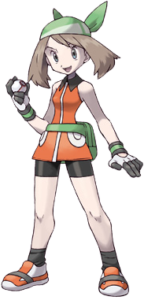
May
May is the girl hero, likewise redressed in green for Emerald, with pink rugs in her room. As your rival she starts with the starter strong against yours and battles you on Route 103, Route 110 and Route 119, plus optional fights on Route 104 and in Lilycove City: five meetings where Ruby and Sapphire had four. Her teams are refreshed too, with Lombre, Slugma and Wingull replacing Wailmer and Shroomish. A Super Smash Bros. Ultimate costume palette is based on her Emerald look.

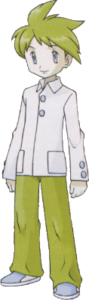
Wally
Wally is the sickly boy from Petalburg City whom you help catch a Ralts, using a Zigzagoon lent by Norman, before he moves to Verdanturf Town for its clean air. He challenges you in Mauville City with that Ralts at Lv. 16, then turns up again, healthy and determined, in Victory Road with Altaria, Delcatty, Roselia, Magneton and Gardevoir at Lv. 41 to 45. Emerald places that showdown just past the first bridge and gives him Full Restores; after the Hall of Fame he can be battled again.

Scott
Scott owns the Battle Frontier and spends Emerald’s story keeping an eye on promising Trainers; his Match Call nickname is ‘Elusive Eyes’. He is new to Emerald and pops up thirteen times: watching Wally catch Ralts in Petalburg, at Rustboro’s Trainer’s School, outside the Slateport museum and at each Battle Tent, after your Mauville fight with Wally, on Route 119, by phone after the Feather Badge, at Lilycove’s Cove Lily Motel, outside the Mossdeep Space Center and finally in the Ever Grande Pokémon Center. Five meetings are compulsory; the rest can be missed for good. After the League he finds you aboard the S.S. Tidal and invites you to the Frontier, pays 1 to 4 BP depending on how often you met him, and hands out Shields and rare berries for Frontier milestones.
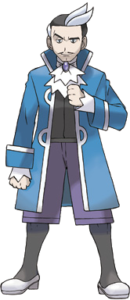
Juan
Juan is the Sootopolis Gym Leader in Emerald, a Water specialist with the polished manners of a poet. He once ran the Gym, trained Wallace and passed it to him, then took it back when Wallace became Champion. A former Coordinator, he relies on Kingdra, making him the only Hoenn Leader whose strongest Pokémon comes from an earlier generation, and he awards the Rain Badge and TM03 Water Pulse. In the anime he debuts in ‘The Great Eight Fate!’ (AG110), and Ash beats him and his Milotic for the Rain Badge in ‘Eight Ain’t Enough!’ (AG111). He is the only Hoenn Leader left out of Omega Ruby and Alpha Sapphire.

Wallace, the Champion
Wallace, the Sootopolis Gym Leader of Ruby and Sapphire, has become Hoenn’s Champion in Emerald, handing the Gym back to his mentor Juan. He also steers the climax: while Groudon and Kyogre rage over Sootopolis, he opens the Sky Pillar so that you can wake Rayquaza. At the Pokémon League he fields Wailord (57), Tentacruel (55), Whiscash (56), Ludicolo (56), Gyarados (56) and his partner Milotic at Lv. 58, the species that also anchored his old Gym team. Beating him is what unlocks Steven’s battle at Meteor Falls.
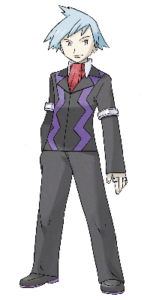
Steven Stone
In Emerald, Steven is a roaming collector of rare stones rather than the Champion. He fights beside you at the Mossdeep Space Center against Maxie and Tabitha, leaves a Beldum at his Mossdeep house after the Hall of Fame, and waits in a hidden chamber of Meteor Falls once Wallace is beaten, with his old Champion team raised twenty levels to Lv. 75 to 78.

Professor Birch
Professor Birch is Hoenn’s Pokémon professor, and rescuing him starts your journey; in Emerald it is a Zigzagoon chasing him. He hands you Treecko, Torchic or Mudkip, and once your Hoenn Pokédex is complete, Jirachi and Deoxys aside, he offers one of the Johto starters: Chikorita, Cyndaquil or Totodile.

Maxie
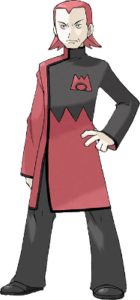
Maxie leads Team Magma, which wants to expand the land by reviving Groudon, and Emerald gives him more to do. He steals the Meteorite at Meteor Falls to fire up Mt. Chimney, loses to you at the summit, then has his team dig a hideout inside the volcano from Jagged Pass, where he wakes Groudon and loses control of it. He then raids the Mossdeep Space Center for rocket fuel with Tabitha. You battle him three times, to Archie’s once, before he admits his mistake and disbands the team.


Archie
Archie leads Team Aqua, which wants to expand the sea by reviving Kyogre. In Emerald he first appears at Meteor Falls, briefly siding with you against Team Magma, and is later glimpsed at Mt. Chimney. While Shelly’s grunts raid the Weather Institute he takes the Red Orb from Mt. Pyre, and his team uses the stolen Submarine Explorer 1 to reach the Seafloor Cavern, where he wakes Kyogre and cannot control it. You face him only once, there, against Mightyena, Crobat and Sharpedo (Lv. 41 to 43).
Gym Leaders
The eight Hoenn Gym Leaders as Emerald fields them: bigger teams almost everywhere, a new Leader in Sootopolis and, uniquely for Generation III, rematches. Our Gym Leaders strategy guide covers the tactics.
The Hoenn badge route – the order the game expects, with each leader’s ace and the level to aim for:
- Stone BadgeRoxanne · Rustboro CityRock · ace Nosepass Lv. 15Aim for Lv. 15 · TM39 Rock Tomb
- Knuckle BadgeBrawly · Dewford TownFighting · ace Makuhita Lv. 19Aim for Lv. 19 · TM08 Bulk Up
- Dynamo BadgeWattson · Mauville CityElectric · ace Manectric Lv. 24Aim for Lv. 24 · TM34 Shock Wave
- Heat BadgeFlannery · Lavaridge TownFire · ace Torkoal Lv. 29Aim for Lv. 29 · TM50 Overheat
- Balance BadgeNorman · Petalburg CityNormal · ace Slaking Lv. 31Aim for Lv. 31 · TM42 Facade
- Feather BadgeWinona · Fortree CityFlying · ace Altaria Lv. 33Aim for Lv. 33 · TM40 Aerial Ace
- Mind BadgeTate & Liza · Mossdeep CityPsychic · ace Solrock Lv. 42Aim for Lv. 42 · TM04 Calm Mind
- Rain BadgeJuan · Sootopolis CityWater · ace Kingdra Lv. 46Aim for Lv. 46 · TM03 Water Pulse
The eight Hoenn Gym Leaders in Emerald

Roxanne
Team: Geodude Lv. 12, Geodude Lv. 12, Nosepass Lv. 15
Since Ruby & Sapphire: A second Geodude joins; Ruby and Sapphire had one Geodude (Lv. 14) and Nosepass (Lv. 15).
Emerald’s first Gym is a little gentler at the bottom end, with both Geodude two levels below Ruby and Sapphire’s single one, but Nosepass still anchors the team at Lv. 15. Her redecorated Gym displays the Stone Badge behind her. Reward: TM39 Rock Tomb.


Brawly
Team: Machop Lv. 16, Meditite Lv. 16, Makuhita Lv. 19
Since Ruby & Sapphire: Meditite is added and Makuhita rises from Lv. 18 to Lv. 19; Ruby and Sapphire had Machop (Lv. 17) and Makuhita (Lv. 18).
His Meditite is a curiosity, because Meditite cannot be caught anywhere in Emerald and has to be traded in. Makuhita at Lv. 19 is the strongest Pokémon either of the first two Gyms puts out. Reward: TM08 Bulk Up.


Wattson
Team: Voltorb Lv. 20, Electrike Lv. 20, Magneton Lv. 22, Manectric Lv. 24
Since Ruby & Sapphire: Grows from three Pokémon to four: Magnemite is dropped, Electrike and Manectric join, and Manectric (Lv. 24) replaces Magneton (Lv. 23) as his ace.
Wattson’s rematches are tied to the New Mauville sidequest: he will not accept one until it is finished, and because every Leader must be beaten at each tier, that also holds back everyone’s second rematch. Reward: TM34 Shock Wave.


Flannery
Team: Numel Lv. 24, Slugma Lv. 24, Camerupt Lv. 26, Torkoal Lv. 29
Since Ruby & Sapphire: Four Pokémon instead of three: Numel and Camerupt replace one of the two Slugma, and Torkoal rises from Lv. 28 to Lv. 29.
Her opening Pokémon are lower-levelled than in Ruby and Sapphire, but like Wattson she now fields four, and Torkoal at Lv. 29 finishes a level higher than before, the strongest Gym ace you have faced up to this point. Reward: TM50 Overheat.

Norman
Team: Spinda Lv. 27, Vigoroth Lv. 27, Linoone Lv. 29, Slaking Lv. 31
Since Ruby & Sapphire: Four Pokémon instead of three: Spinda and Linoone join and he brings one Slaking instead of two (Ruby and Sapphire: Slaking Lv. 28, Vigoroth Lv. 30, Slaking Lv. 31).
Norman’s badge has a knock-on effect: once you hold the Balance Badge, ordinary Trainers around Hoenn start becoming eligible for PokéNav rematches. Slaking at Lv. 31 remains his closer, exactly as in Ruby and Sapphire. Reward: TM42 Facade.


Winona
Team: Swablu Lv. 29, Tropius Lv. 29, Pelipper Lv. 30, Skarmory Lv. 31, Altaria Lv. 33
Since Ruby & Sapphire: Five Pokémon instead of four: Swablu and Tropius join, Swellow is dropped, and Skarmory falls from Lv. 32 to Lv. 31; Pelipper (Lv. 30) and Altaria (Lv. 33) are unchanged.
Winona now brings the biggest team of any pre-Mossdeep Leader. Scott telephones you after you win the Feather Badge, one of his compulsory appearances, and Altaria at Lv. 33 is still her ace. Reward: TM40 Aerial Ace.


Tate & Liza
Team: Claydol Lv. 41, Xatu Lv. 41, Lunatone Lv. 42, Solrock Lv. 42
Since Ruby & Sapphire: Claydol and Xatu join Lunatone and Solrock, doubling the twins’ team from two Pokémon to four.
Their Lunatone is another Pokémon Emerald will not let you catch. Winning the Mind Badge triggers Team Magma’s raid on the Mossdeep Space Center, and after the twins fall the team hideouts stay open rather than being sealed. Reward: TM04 Calm Mind.
Juan
Team: Luvdisc Lv. 41, Whiscash Lv. 41, Sealeo Lv. 43, Crawdaunt Lv. 43, Kingdra Lv. 46
Rematch: Fourth rematch onwards (Double Battle): Lapras Lv. 61, Politoed Lv. 61, Whiscash Lv. 63, Walrein Lv. 63, Crawdaunt Lv. 63, Kingdra Lv. 66
Since Ruby & Sapphire: New Leader. He replaces Wallace, whose Ruby and Sapphire team was Luvdisc Lv. 40, Sealeo Lv. 40, Whiscash Lv. 42, Seaking Lv. 42 and Milotic Lv. 43.
Every Pokémon in his Gym team knows Water Pulse, the TM he gives away, and he carries two Hyper Potions. Kingdra, a Johto species, makes him the only Hoenn Leader whose strongest Pokémon comes from an earlier generation. Reward: TM03 Water Pulse.
The Elite Four & the Champion
The Elite Four are almost unchanged from Ruby & Sapphire; the Champion is not. Our Elite Four strategy guide has the details.

Sidney
Team: Mightyena Lv. 46, Cacturne Lv. 46, Shiftry Lv. 48, Crawdaunt Lv. 48, Absol Lv. 49
Since Ruby & Sapphire: Crawdaunt replaces Sharpedo; the other four are unchanged.
The first of the Elite Four keeps Absol at Lv. 49 as his ace. League rematches in Emerald bring back exactly the same teams.

Phoebe
Team: Dusclops Lv. 48, Banette Lv. 49, Banette Lv. 49, Sableye Lv. 50, Dusclops Lv. 51
Since Ruby & Sapphire: None: species and levels match Ruby and Sapphire.
Her line-up of two Dusclops, two Banette and a Sableye is carried over untouched, with the stronger Dusclops held back to close at Lv. 51.

Glacia
Team: Glalie Lv. 50, Sealeo Lv. 50, Glalie Lv. 52, Sealeo Lv. 52, Walrein Lv. 53
Since Ruby & Sapphire: None: species and levels match Ruby and Sapphire.
Glacia also returns unchanged from Ruby and Sapphire, sending out two Glalie and two Sealeo in turn before finishing with her strongest Pokémon, Walrein, at Lv. 53.

Drake
Team: Shelgon Lv. 52, Altaria Lv. 54, Kingdra Lv. 53, Flygon Lv. 53, Salamence Lv. 55
Since Ruby & Sapphire: Kingdra replaces one of his two Flygon.
With Kingdra added, Juan and Drake both lean on the Johto dragon in Emerald. Salamence at Lv. 55 is still his last and strongest Pokémon.

Wallace
Team: Wailord Lv. 57, Tentacruel Lv. 55, Whiscash Lv. 56, Ludicolo Lv. 56, Gyarados Lv. 56, Milotic Lv. 58
New Champion: Replaces Steven, whose Ruby and Sapphire Champion team was Claydol Lv. 55, Cradily Lv. 56, Armaldo Lv. 56, Aggron Lv. 56, Skarmory Lv. 57 and Metagross Lv. 58.
A Water specialist where Steven used Steel, Wallace saves Milotic for last. His room has been recoloured from purple to blue, and beating him opens Steven’s challenge in Meteor Falls.


Steven (Meteor Falls)
Team: Skarmory Lv. 77, Claydol Lv. 75, Aggron Lv. 76, Cradily Lv. 76, Armaldo Lv. 76, Metagross Lv. 78
Twenty levels up: His Ruby & Sapphire Champion team, every member twenty levels higher.
An optional post-game battle in a hidden chamber of Meteor Falls, opened by beating Wallace. The strongest Trainer battle in the game outside the Battle Frontier.
Glitches, exploits and oddities
Emerald fixed Ruby and Sapphire’s berry bug and added a few of its own, including the only cloning trick of its generation and the glitch that launched Glitzer Popping.
The Battle Tower cloning glitch
Emerald’s Battle Tower holds the only cloning trick in Generation III. It exploits the way the link-battle desk saves: talk to the attendant and the game quietly writes your party, Bag and some other data even if you decline to save, but leaves your PC boxes as they were at your last manual save. So you save normally, move the Pokémon you want copied between your party and the PC, speak to the attendant and then reset. You come back with the party from the attendant’s save and the boxes from your manual save, so the moved Pokémon exist twice. Items held by boxed Pokémon can be duplicated the same way.
The Pomeg glitch and Glitzer Popping
From Emerald onwards a Pomeg Berry cuts HP effort values by 10, and with them a little maximum HP. Feed one to a Pokémon on almost no health and its HP can reach zero without it fainting, or underflow past zero to 65,535, shown as ’?35’. A zero-HP Pokémon can stay in your party, letting you send an Egg into battle, start fights with no usable Pokémon or let Eruption and Water Spout heal the foe. One branch reaches party slots beyond the sixth, which leads into Glitzer Popping, a technique that changes an Egg’s species through its effort values and can create any Pokémon. Diamond, Pearl and Platinum keep a partly fixed version.
The predictable random number generator
Emerald never reseeds its random number generator when the game is switched on. The numbers it produces, including the personality values behind each Pokémon’s hidden traits, therefore run through the same predictable sequence from every power-on rather than changing between sessions: do exactly the same things at exactly the same moments after switching on, and the same results follow. Reloading a save does not shake it up either. The generator also never produces the values needed for the rare ‘strain 0’ Pokérus, so that Ruby and Sapphire oddity cannot happen naturally in Emerald.
Battle Frontier IV bugs
Two programming slips affect the Frontier’s Pokémon. In the Battle Dome, every ordinary Trainer’s Pokémon has an IV of 3 in each stat however long your streak, which makes the Dome easier than intended; only Tucker’s Pokémon escape it, with 20 IVs for the Silver battle and 31 for the Gold. In the Battle Factory, a bug gives the starting rentals of round nine random IVs instead of the perfect 31s they should carry, so that round’s rentals can turn out noticeably weaker than intended.
No berry glitch, and a cure for Ruby and Sapphire
Early Ruby and Sapphire cartridges miscount the calendar, so 366 days after the clock starts their berries stop growing and other daily events stall. Every version of Emerald is free of the bug, and it can even fix its predecessors. Its Berry Program Update is opened from the title screen with Select and B, then sent over a Game Link Cable to a Ruby or Sapphire game booted with Start and Select held down. A completely dead internal battery causes similar symptoms in any of these games, and only a new battery fixes that.
Map edges and invisible walls
Several of Emerald’s new areas have small mapping errors. Inside Terra Cave you can see past the outer edges of the map, and four tiling mistakes in the Magma Hideout expose the map’s boundary around the entrance and on two of its basement floors. On the Mirage Tower’s second floor, a spot above the steps shows no rock yet cannot be walked on. None of these affects play, but they are easy to spot once you know where to look.
The unreachable Safari Zone Full Restore
In the Japanese release, the hidden Full Restore in Area 5 of the Safari Zone extension sits on a tile among the trees, where the player can never stand to pick it up. The Western versions move it into a bare patch of grass and also shift one nearby grass tile a space to the left. Area 6 has a milder quirk in every version: its hidden Rare Candy cannot be collected while you face it from the north or the west.
The invisible move-learning screen
When a Pokémon evolves and tries to learn a new move with a full moveset, pressing A and B on exactly the same frame at the ‘Delete a move’ prompt makes the ‘Stop learning’ screen load as a blank black screen. The game has not crashed: pressing A brings things back to normal. Emerald shares the bug with Ruby, Sapphire, FireRed and LeafGreen, although only the Western Ruby and Sapphire show a visible red focus box while it happens. It is harmless, if alarming the first time.
Wally’s Ralts tutorial
The opening capture tutorial, in which Wally borrows a Zigzagoon to catch a Ralts, has two odd edge cases in Generation III. The Ralts can faint during the demonstration yet the game still treats it as caught, a roughly 1 in 200,322 chance. Wally can also catch a Shiny Ralts in the tutorial, but it will not be Shiny when you face it later in Mauville City or Victory Road. Neither quirk has any lasting effect on the story, which carries on as normal.
Videos & media
Check out these videos of Pokémon Emerald, including TV commercials and the game’s intro.
The introduction video that plays at the start of Pokémon Emerald.
A TV commercial for Pokémon Emerald, aired in the USA and starring a really sinister-looking kid.
A Japanese TV commercial for Pokémon Emerald.
Trivia & facts
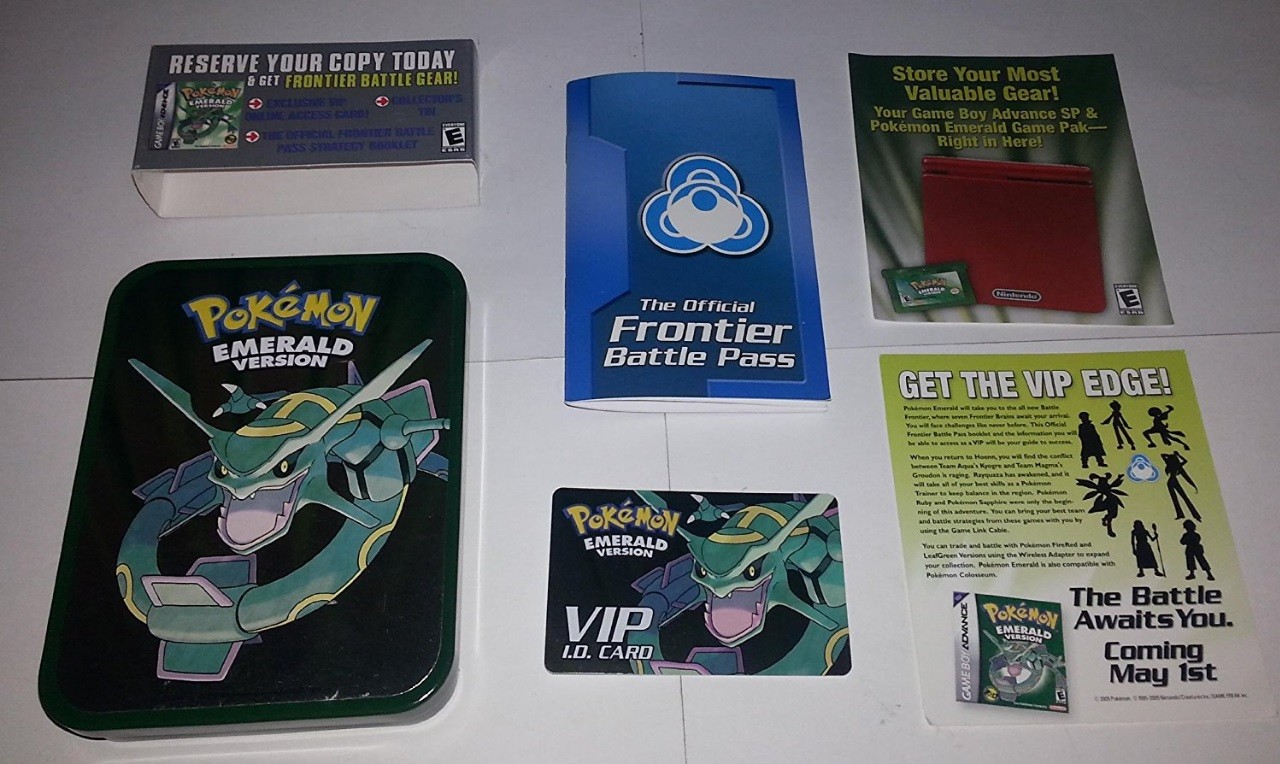
- There was a special promotional version of Emerald for people who pre-ordered the game, which came with a collector’s tin and a Battle Frontier guide.
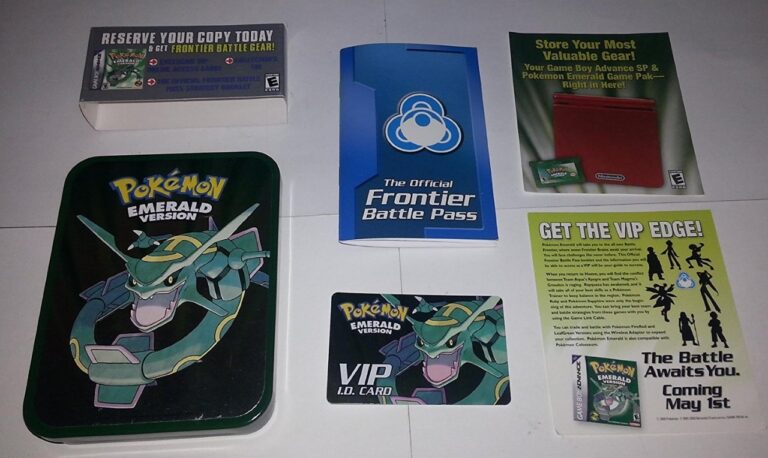
The pre-order collector’s tin. -
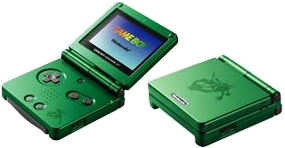
Japan’s Rayquaza Game Boy Advance SP. Pokémon Emerald was the last instance of a Pokémon game with a colour-themed cart (green). Some people may argue that Pokémon Black was the last to have a themed coloured cart, as the DSi cartridges are black, but this wasn’t a conscious decision to ‘theme’ the cart to match the game’s colour namesake; it just happened to go down that way.
- The random number generator in Emerald is never reseeded when the game is switched on, meaning it’s not actually very random at all in some instances: do the same things at the same moments after powering on and a Pokémon will have exactly the same personality value. This problem isn’t fixed by reloading the game either, so the personality values of the Pokémon you encounter follow a predictable sequence.
- At the end of Pokémon Ranger, both Groudon and Kyogre appear in Fiore. The two appear to be injured from a battle, and fans read this as the clash that took place in Hoenn – perhaps during the same timeframe as Pokémon Emerald was set.
-
The Mirage Tower. It’s theorised that the Mirage Tower in Pokémon Emerald could be a reference to the tower of the same name from Final Fantasy. The similarities don’t stop at the names: they’re both based in the desert and include a spiral-shaped dungeon. They also only appear when certain criteria are met.
- Pokémon Emerald was the final core-series title on the Game Boy line of platforms.
Pokémon Emerald shares a number of traits with Pokémon Platinum. Aside from the obvious – that these are the third games of their respective stories – here are a number of additional similarities:
- Both titles remove the Battle Tower and replace it with a Battle Frontier.
- Both titles allow you rematches with Gym Leaders once the main story is done – after the Hall of Fame in Emerald, after the National Pokédex in Platinum.
- You can catch both of the Legendary Pokémon of the original pair of games in both Emerald and Platinum.
- Both titles move the trio’s third Legendary Pokémon, Rayquaza and Giratina, from a post-game extra to the heart of the story.
Further trivia
- Emerald is the last core-series game in which catching the box legendary, Rayquaza, is optional.
- It is also the last core-series game to rely on wired communication.
- Juan is the only Hoenn Gym Leader missing from Omega Ruby and Alpha Sapphire, and the Emerald instruction manual hides him as a silhouette named ’?????’.
- Navel Rock’s cave is gold in Emerald but silver in FireRed and LeafGreen, an apparent nod to Gold and Silver, whose mascots Ho-Oh and Lugia live there.
- Emerald is the only version in which Southern Island yields unlimited Soul Dews: steal one and the Eon Pokémon comes back holding another.
- Trainers use Pokémon you cannot catch in Emerald: Brawly’s Meditite, Tate and Liza’s Lunatone and Wally’s Roselia.
- The Symbols echo their facilities: the Luck Symbol copies Seviper’s hexagons, which the Battle Pike’s shape is based on, the Brave and Tactics Symbols look like the Pyramid and Dome from above, and the Ability Symbol shows the Tower from below.
- The title ‘Frontier Brain’ was also handed to the top performers of the Pokémon Emerald Ultimate Frontier Battle Brain, a promotional tournament whose finals were held at Seattle’s Space Needle.
Legacy
Re-releases
- Rayquaza edition Game Boy Advance SP (Japan) – 16 September 2004. A limited GBA SP with a Rayquaza silhouette, sold only in Japan through Pokémon Trainer Online alongside the game.
- Pokémon Omega Ruby & Alpha Sapphire – 21 November 2014. The remakes leave the Battle Frontier out, swapping in the Battle Resort, with Junichi Masuda reasoning that few players would have used it. Some Emerald ideas survive: Steven partners you in Multi Battles, including at the Mossdeep Space Center, a Battle Maison NPC wonders whether the Pike Queen would meet Scott’s standards, and the Delta Episode’s ending alludes to Birth Island’s puzzle. Juan is the only Hoenn Gym Leader left out. Europe followed on 28 November 2014.
Where to play Emerald today
As of October 2026 Emerald is not available on Nintendo Switch, Switch 2 or Nintendo Classics, and neither are Ruby and Sapphire; rumours of a surprise 8 October release came to nothing. The closest relatives on Switch are FireRed and LeafGreen, sold individually since 27 February 2026 for £16.99 each with Pokémon HOME support. Playing Emerald therefore means an original Game Boy Advance cartridge, and an ageing internal battery will eventually freeze its clock-based events until it is replaced.
How it was made
Emerald was Game Freak’s third take on Hoenn, following the path Pokémon Yellow had laid, and the fifth and last Generation III core game after Ruby, Sapphire, FireRed and LeafGreen. Shigeki Morimoto directed, Ken Sugimori provided the art, and the music was shared by Go Ichinose, Junichi Masuda, Morikazu Aoki and Hitomi Sato. It was first revealed in CoroCoro. The game leans on FireRed and LeafGreen almost as much as on Ruby and Sapphire, importing their Union Room, Mystery Gift, wireless minigames, Trainer Tower-style Trainer Hill, item icons and several pieces of music, while the single Battle Tower grew into a seven-facility Battle Frontier. Japan got full e-Reader support, with 83 cards released on 7 October 2004 and Battle e cards that could remake the Trainer Hill, but the feature was cut from the English release because the e-Reader had not caught on. Pre-orders came with access to an exclusive website, a collector’s tin and a Battle Frontier guide. A North American contest, the Pokémon Emerald Ultimate Frontier Battle Brain, sent fourteen finalists to Seattle’s Space Needle to compete for a trip to the Pokémon Park in Nagoya.
Emerald in other media

Sales & reviews
Sales figures
Pokémon Emerald sold 6.32 million units in total. Its popularity was immediately apparent, particularly in Japan, where it sold 372,000 on the day of release, and by the end of the first week it had sold a massive 791,000 units in Japan alone. It sold a total of 1.4 million units that year in Japan, making it Japan’s fourth best-selling video game of 2004 overall. The only games which ranked above Emerald that year were Dragon Quest V: Hand of the Heavenly Bride, fellow Pokémon titles LeafGreen and FireRed (their combined sales outweighed Emerald) and Dragon Quest VIII: Journey of the Cursed King.
Interestingly, more than half a decade later, in 2010, Pokémon Emerald ranked 779th in Japan’s top 1,000 selling games of 2010 list, as it had sold a further 7,724 copies that year; no other Game Boy Advance titles featured in this list.
In the U.S. it was topping video game charts in May 2005, and although it lost its #1 spot to Grand Theft Auto: San Andreas in June 2005, it stood strong in second for a while afterwards. Pokémon Emerald was the second best-selling game in the first half of 2005 for the USA.
European sales of Pokémon titles had continued to grow, with Emerald moving over 1.2 million units by the end of 2005, bringing total global sales to around 5 million units. By the beginning of 2007’s financial year 6.32 million copies had been sold worldwide, leaving Pokémon Emerald sat proudly in the top three best-selling video games of all time on the Game Boy Advance.
Taken on its own, 6.32 million makes Emerald the lowest-selling core game on the Game Boy Advance; it is only third when Ruby & Sapphire and FireRed & LeafGreen are each counted as a single release. The figure had crept to 6.80 million by 2021. Japan’s first week was 790,527 copies, 91 per cent of the stock shipped, and the country had bought 1,916,505 by the start of 2011. North America placed more than 146,000 pre-orders, and the June 2005 runner-up spot came with 265,000 copies.
- 6.32mworldwide by March 2007 (6.80m by 2021)
- 790,527sold in Japan in the first week
- No. 2best-selling game in the USA in 2005, behind Madden NFL 06
- 1.2msold in Europe by the end of 2005
Review scores
Pokémon Emerald enjoyed pretty good scores and reception across the board from critics and users alike; the main gripe was a little about the fact that it hadn’t changed or added as much as it could’ve since Ruby/Sapphire. Check out some of its scores from major review sites below:
- IGN reviewer Craig Harris gave Emerald 8 out of 10, which equates to Great on the IGN scale, and commented, “Pokemon Emerald’s special edition additions are minor but numerous, and collectively they admittedly do improve the Pokemon experience”, in reference to Emerald’s differences over Ruby/Sapphire.
- Ryan Davis from GameSpot scored Emerald 7.5 out of 10 and commented, “Despite being made mostly of recycled parts, Emerald proves that the Pokémon formula still works. As a result, the game remains an enjoyably light RPG experience.”
- The average score on Metacritic for Pokémon Emerald, over a decade and a half since its release, is a strong 8.8 over 259 user ratings, and a score of 76/100 over 28 critic reviews.
- GameRankings had Pokémon Emerald scoring 76.65% over 29 reviews.
Critics broadly liked Emerald but kept circling the same reservation: underneath, it is Ruby and Sapphire again. IGN’s Craig Harris found it solid rather than thrilling, yet named it the version to buy for anyone who had skipped Hoenn, and GameSpot’s Ryan Davis thought it a quality adventure despite its familiar parts, with plenty for dedicated fans. Eurogamer and GameSpy made similar points, Eurogamer steering it towards newcomers, while Game Informer was the harshest, arguing there was too little new to justify a purchase. The most praised additions were the Battle Frontier and the reworked story that sets both villainous teams loose. Later pieces were warmer: IGN’s Audrey Drake called the two-team plot a marked departure and relished the Gym Leader rematches, and 1UP’s Kat Bailey counted Emerald among the updates that surpassed the games they built on, though IGN’s Lucas M. Thomas disliked having to finish the story before reaching the Frontier.
Awards and honours:
Media & artwork
- Official artwork gallery from Pokémon Emerald – a gallery featuring many of the Pokémon and characters from the game
- Box art from Pokémon Emerald, including numerous regional variations and editions
- Screenshots from Pokémon Emerald
Further reading
Our Hoenn guides, plus the games around Emerald: