
  |
|
| Platform | Game Boy Color (also runs on the original Game Boy); Nintendo 3DS Virtual Console (2017) |
| Developer | Game Freak |
| Publisher | Nintendo |
| Director | Satoshi Tajiri |
| Producers | Takehiro Izushi, Takashi Kawaguchi, Tsunekazu Ishihara |
| Art & music | Ken Sugimori (art), Junichi Masuda, Go Ichinose and Morikazu Aoki (music); Shigeki Morimoto (programming) |
| Players | 1–2 (Game Boy Link Cable; Mystery Gift over infrared) |
| Generation | Generation II |
| Regions | Johto, then Kanto |
| New Pokémon | 100 (251 in total) |
| New types | Dark and Steel |
| Released (Japan) | 21 November 1999 as Pocket Monsters Kin and Gin |
| Released (Australia) | 13 October 2000 |
| Released (North America) | 15 October 2000 |
| Released (Europe) | 6 April 2001 |
| Released (South Korea) | 24 April 2002 |
| 3DS Virtual Console | 22 September 2017 worldwide (on sale until the eShop closed on 27 March 2023) |
| Rating | ESRB E; PEGI 3 |
| Sales | 23.1 million worldwide (Gold and Silver combined) |
| Predecessor | Pokémon Yellow (1998) |
| Successor | Pokémon Crystal (2000) |
| Remakes | HeartGold & SoulSilver (Nintendo DS, 2009) |
Overview
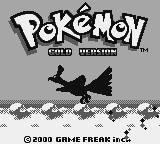 Pokémon Gold & Silver were released at the start of this century as the two main titles of Generation II. The hugely anticipated continuation of the hit by Game Freak, Creatures and Nintendo, Pokémon Gold and Silver not only met their audience’s expectations but surpassed them by miles. The success of the games would lead to remastered versions being released on the Nintendo DS years later in the form of Pokémon HeartGold and SoulSilver.
Gold and Silver, or Pokémon GS as it was codenamed by Nintendo, brought many innovations to the series that are now basic foundations of the games, starting with the addition of a day and night cycle that turned Pokémon into a personal life game with the RPG elements carried over from the first games. On top of that, GS brought a lot of new places to visit in the form of the Johto Region, 100 extra Pokémon, a plethora of new moves and the addition of the Dark and Steel types, which balanced the somewhat overpowered Psychic type.
GS also brings in the breeding system, Pokémon genders, Shiny Pokémon and a new set of game rules that make the game more enjoyable than ever before. It also has the Pokégear, a staple of the game that still stands strong today. For people who breed Pokémon, aside from the chance to make Pokémon Eggs from compatible couples, there are also hidden values that help determine the species and attacks of the Pokémon you are breeding, and the Pokérus to raise your Pokémon’s stats faster.
Aside from exploring Johto, there was also the chance to revisit Kanto after completing the first part of the game and confronting the Elite Four – with all the Gym Leaders from the first generation, a few changes and a storyline to remember.
Enter a whole new world, with new Pokémon to capture, train and battle! Meet Professor Elm and get the all-new Poké Gear, including map, radio, cell phone and clock. Set the clock then watch as day turns to night and events take place in real time— and be sure to keep an eye out for Pokémon that come out only at night!
— Official description (Nintendo of America, 2000)
Quick Answers
The questions people ask Google most about Pokémon Gold and Silver, answered briefly; each one links to the fuller section below.
What is the difference between Pokémon Gold and Silver, and which should I buy?
The story, map and Gyms are identical. Each version has ten exclusive Pokémon. Gold has the Mankey, Growlithe, Spinarak and Teddiursa lines plus Gligar and Mantine. Silver has the Vulpix, Meowth, Ledyba and Phanpy lines plus Delibird and Skarmory. Gold’s Ho-Oh and Silver’s Lugia are Lv. 40, and the other bird is Lv. 70. Pick the mascot you like best. More →
Is Pokémon Gold and Silver on Nintendo Switch, and how can I play it today?
Not as of October 2026. No Switch or Switch Online release has been announced. The 3DS Virtual Console versions (22 September 2017) stopped being sold when the 3DS eShop closed on 27 March 2023. Your options today are an original cartridge (check its save battery), a 3DS that already has them, or the DS remakes HeartGold and SoulSilver. More →
How do you get to Kanto in Gold and Silver, and how do you wake the Snorlax?
Beat the Elite Four and Professor Elm gives you the S.S. Ticket, which lets you sail on the S.S. Aqua from Olivine City to Vermilion City. Fix the Kanto Power Plant and the Lavender Radio Tower gives you the EXPN Card. Tune the Pokégear to the Poké Flute channel next to the Snorlax blocking Diglett’s Cave and it wakes up. More →
How do you catch Ho-Oh and Lugia?
In Gold, the Radio Tower director gives you the Rainbow Wing after Team Rocket falls; Ho-Oh (Lv. 40) then appears atop Ecruteak’s Tin Tower, while Lugia (Lv. 70) needs the Pewter City old man’s Silver Wing. Silver reverses this: the director’s Silver Wing brings Lugia (Lv. 40) to the Whirl Islands, and Pewter’s Rainbow Wing brings Ho-Oh (Lv. 70). More →
How do I evolve Eevee into Espeon or Umbreon, and how do the other new evolutions work?
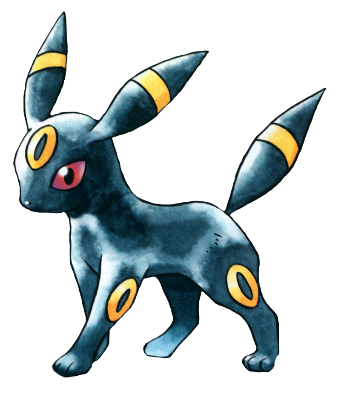
Raise Eevee’s friendship, then level it up by day for Espeon or at night for Umbreon. Friendship also evolves Golbat into Crobat and Chansey into Blissey. A Sun Stone makes Bellossom, and Tyrogue becomes Hitmontop at Lv. 20 if Attack equals Defence. Steelix, Scizor, Kingdra, Politoed, Slowking and Porygon2 need trading while holding a specific item. More →
Where is Red, what is his team, and how long does it take to reach him?
Once you hold all 16 badges, Professor Oak lets you into Mt. Silver, and Red is waiting deep inside without saying a word. His team: Pikachu Lv. 81, Espeon 73, Snorlax 75, Venusaur 77, Charizard 77 and Blastoise 77. Getting there takes a long time: GameSpot’s original review estimated a baseline of about 60 hours across the two regions. More →
How do you catch Raikou, Entei and Suicune?
All three flee the Burned Tower basement in Ecruteak and roam Johto at Lv. 40, switching routes whenever you change area. They run on their first turn, but damage and status carry over between encounters. Track them on the Pokédex area map, then trap them with Mean Look or Spider Web, send them to sleep, or use the Master Ball. More →
How do you get Celebi in Gold and Silver?
Only through official events or a trade. Celebi was given out for Gold and Silver at events including Nintendo Space World 2000 in Japan, a 2001 Nintendo Power promotion in the US and the 2001 Celebi Tour in Europe. The Ilex Forest GS Ball quest is only in Crystal, and the 3DS release of Crystal unlocks it without an event. More →
How do I beat Whitney’s Miltank?
Her Lv. 20 Miltank chains Rollout with Attract, Stomp and Milk Drink. Bring a Fighting type: Goldenrod’s Department Store trades a female Machop for a Drowzee, and Attract can’t affect a female. Fighting, Ground and Steel types also resist Rollout. Whitney cries when she loses, so talk to her again to receive the Plain Badge. More →
How do you get the Shiny Gyarados, and what are shiny Pokémon?
Shiny Pokémon are rare alternate-colour variants that sparkle as they enter battle; in the wild, the odds are roughly 1 in 8,192. The Red Gyarados at the Lake of Rage (Lv. 30) is always shiny, because the story forces it to evolve. Catch or defeat it to get the Red Scale, which Mr. Pokémon will exchange for an Exp. Share. More →

Plot / Story
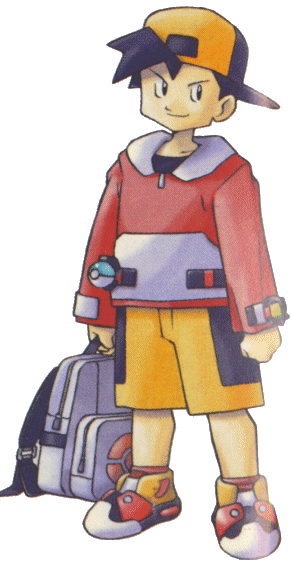
We meet a new protagonist, Gold, the player character, who starts out in New Bark Town alongside a new professor, Elm, who provides you with a Pokémon. However, after your first trip to the next city a dark character steals one of Elm’s Pokémon! We meet our antagonist, Silver.
Gold is now on the lookout for Silver, and on his own journey to gather all the Gym badges, become a renowned trainer and take on the Elite Four challenge.
After beating the Indigo Plateau Champion – none other than Lance, the former Elite Four member – Gold is summoned by Professor Elm, who tells him about the Kanto region. He then embarks on a new adventure to gather all the badges in that region, meeting some familiar faces along the way.
After the previous games’ protagonist, Red, finished the League by defeating Blue and becoming Champion, he became a recluse, training alone on Mt. Silver, while his old rival Blue took over the abandoned Viridian Gym previously run by Giovanni.
With all 16 badges in hand, Gold faces the ultimate challenge: heading into Mt. Silver to face none other than the former Champion, Red.
That’s not all! Team Rocket’s members are scattered throughout Johto and still up to no good, working hard to bring the organisation back to its former glory. Gold keeps an eye out as he gathers the badges, saving Pokémon from Team Rocket’s criminal activities along the way!
The full route, spoilers and all:
Your adventure starts in New Bark Town, a windswept village on Johto’s eastern edge. Professor Elm lends you a Chikorita, Cyndaquil or Totodile and sends you up Routes 29 and 30 to collect a discovery from his friend Mr. Pokémon. The discovery is a mysterious Egg, and Professor Oak, who is visiting the house, gives you a Pokédex. On the way home a red-haired boy ambushes you outside Cherrygrove City, carrying the starter that beats yours, which he has just stolen from Elm’s lab. From there the journey takes in Johto’s eight Gyms, from Falkner’s birds in Violet City to Clair’s dragons in Blackthorn.
Team Rocket, broken up three years earlier, has quietly regrouped. In Azalea Town its members are cutting the tails off the Slowpoke in the town’s well. Under a souvenir shop in Mahogany Town they hide a base that broadcasts a signal forcing the Magikarp in the Lake of Rage to evolve. You meet Lance at the lake beside a furious red Gyarados, and together you storm the hideout. The Rockets’ last gamble is to seize Goldenrod’s Radio Tower, with an impostor posing as the director, and broadcast a call for their missing leader Giovanni. Freeing the real director from the Underground warehouse and beating the executives on the top floor finishes the gang for good.
Clair then keeps her badge back until you pass the elder’s test at the Dragon’s Den shrine. After that, the road east of New Bark Town leads over Tohjo Falls to Victory Road and the Indigo Plateau, where Will, Koga, Bruno, Karen and Champion Lance are waiting.
After the Hall of Fame, Elm gives you a ticket for the S.S. Aqua and Kanto opens up. The Power Plant has been robbed and the new Magnet Train cannot run, and eight more Gym Leaders are waiting, two of them new faces. When all sixteen badges are yours, Professor Oak lets you into Mt. Silver, where a silent trainer named Red is waiting at the end.
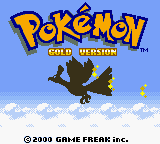
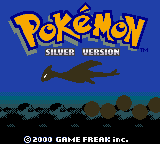


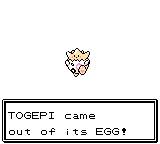


Screenshots from our own Pokémon Gold and Pokémon Silver galleries and Bulbapedia.
Silver’s seven battles

Silver ambushes you seven times, and his team tells the story of his change of heart:
| Where | His team |
|---|---|
| Cherrygrove City, on the way back from Mr. Pokémon’s house | A single Lv. 5 starter: Cyndaquil if you chose Chikorita, Totodile if you chose Cyndaquil, Chikorita if you chose Totodile. His name shows as ‘???’. |
| Azalea Town, as you leave for Ilex Forest after Bugsy | Gastly Lv. 12, Zubat Lv. 14 and his starter’s middle stage at Lv. 16 (Quilava, Croconaw or Bayleef). |
| Burned Tower, Ecruteak City | Haunter Lv. 20, Zubat Lv. 20, Magnemite Lv. 18 and his starter’s middle stage at Lv. 22. |
| Goldenrod Underground, during the Radio Tower takeover | Golbat Lv. 30, Magnemite Lv. 28, Haunter Lv. 30, Sneasel Lv. 32 and Quilava, Feraligatr or Meganium at Lv. 32. |
| Victory Road, just before the Indigo Plateau | Sneasel Lv. 34, Golbat Lv. 36, Magneton Lv. 35, Haunter Lv. 35, Kadabra Lv. 35 and his fully evolved starter at Lv. 38. |
| Mt. Moon, Kanto, after you become Champion | Sneasel Lv. 41, Golbat Lv. 42, Magneton Lv. 41, Gengar Lv. 43, Alakazam Lv. 43 and his starter at Lv. 45. |
| Indigo Plateau rematch, after the Mt. Moon battle | Sneasel Lv. 45, Crobat Lv. 48, Magneton Lv. 45, Gengar Lv. 46, Alakazam Lv. 46 and his starter at Lv. 50. His Golbat has become a Crobat – an evolution that only happens through friendship. |
Red on Mt. Silver

Red, the Pallet Town hero of the first games, is the final opponent and the toughest battle in Gold and Silver. Mt. Silver, the peak on the border between Johto and Kanto, only opens once you hold all sixteen badges and Professor Oak gives his permission. Route 28 then leads to a lone Pokémon Center and the dark Silver Cave, where Flash helps. Red waits deep inside. He says nothing beyond a couple of ellipses before sending out the highest-levelled team in the game: Pikachu Lv. 81 (Charm, Quick Attack, Thunderbolt, Thunder), Espeon Lv. 73, Snorlax Lv. 75, Venusaur Lv. 77, Charizard Lv. 77 and Blastoise Lv. 77, with two Full Restores in reserve. He shares Lance’s battle music. After you win he disappears, and he comes back every time you beat the Elite Four again.
In the anime and movies
Johto is the anime’s longest stay in one region: three full seasons follow the games’ map and Gym order almost beat for beat, and three movies introduced the games’ legendary and mythical Pokémon to cinema audiences before most players had caught them.
In the anime
Anime seasons which loosely tie in with Gold & Silver (in terms of locations, NPCs such as gym leaders and Pokémon):
 Season 3: The Johto Journeys1999–2000The first Johto season follows the games’ opening stretch closely. Ash, Misty and Brock arrive in Johto, meet Professor Elm in New Bark Town and set out for the Johto League. Along the way Ash catches the games’ starter trio of Chikorita, Cyndaquil and Totodile, and wins badges from Falkner in ‘Fighting Flyer with Fire’ (EP131) and Bugsy in ‘Gettin’ the Bugs Out’ (EP144). Many episodes introduce Gold and Silver’s new species to Western audiences.
 Season 4: Johto League Champions2000–2001It covers the middle of the games’ route: Whitney and her Miltank in Goldenrod (‘A Goldenrod Opportunity’, EP158, and the rematch in EP159), Morty in Ecruteak (EP182) and Chuck in Cianwood (‘Machoke, Machoke Man!’, EP209).
 Season 5: Master Quest2001–2002Master Quest finishes the Johto journey. Ash beats Jasmine’s Steelix in ‘Nerves of Steelix!’ (EP224), Pryce in ‘Nice Pryce, Baby!’ (EP238) and Clair in ‘Better Eight Than Never’ (EP254), takes part in the Whirl Cup, and competes at the Silver Conference.
In the movies
 Pokémon: The Movie 2000 – The Power of One1999Lugia stars as the guardian of the sea. The film opened in Japan in July 1999, months before Gold and Silver, and in the West in July 2000, shortly before the games’ October launch, so many fans met Lugia on the big screen first.
 Pokémon 3: The Movie – Spell of the Unown2000Released in Japan in July 2000 and in the West in April 2001, it is built around the Unown and an illusory Entei, both new to Gold and Silver, and is set in the town of Greenfield.
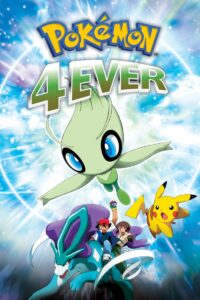 Pokémon 4Ever – Celebi: Voice of the Forest2001It introduced Celebi, the games’ event-only Mythical Pokémon, in a time-travel story (Japan July 2001, West 2002). The anime’s GS Ball subplot, left with Kurt, was never resolved on screen; in the games, the GS Ball and Celebi are linked through Crystal’s event.
The badge episodes
The journey starts in EP117 “Don’t Touch That ’dile”, with the arrival in New Bark Town, Professor Elm and a runaway Totodile. From there, one badge episode per Johto Gym:
- EP131
 Fighting Flyer with Fire – Ash takes the Zephyr Badge from Falkner even though Charizard’s wing is badly hurt.
- EP144
 Gettin’ the Bugs Out – Cyndaquil’s Flamethrower beats Bugsy’s Scyther for the Hive Badge.
- EP159
 A Dairy Tale Ending – Ash’s rematch with Whitney and her Miltank finally earns him the Plain Badge.
- EP182
 From Ghost to Ghost – Ash faces Morty in Ecruteak for the Fog Badge.
- EP209
 Machoke, Machoke Man! – Ash takes on Chuck at the Cianwood Gym, Bayleef and Pikachu against his Poliwrath and Machoke, and earns the Storm Badge, his fifth.
- EP224
 Nerves of Steelix! – Cyndaquil wins the last round against Jasmine’s Steelix for the Mineral Badge.
- EP238
 Nice Pryce, Baby! – Pryce forfeits after his Piloswine tires, giving Ash the Glacier Badge.
- EP254
 Better Eight Than Never – Ash’s rematch with Clair earns his eighth Johto badge, the Rising Badge.
What’s new in Johto: the mechanics Gold & Silver invented
Red and Blue built the game; Gold and Silver built the series. Almost every system a modern Pokémon game takes for granted was bolted on here, and most of them have never been removed.












Can I catch them all?
This is the most interesting feature of GS, since we have 100 new Pokémon and 151 from the last version we have a lot of Pokémon which are hard to obtain or require you to trade with other versions of the game to complete your collection.
Pokémon non-obtainable on GS:
Not obtainable in Gold or Silver
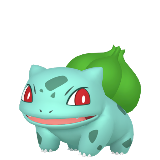 Bulbasaur#001
 Ivysaur#002
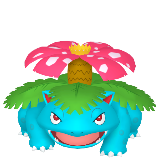 Venusaur#003
 Charmander#004
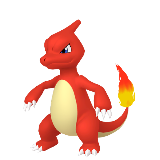 Charmeleon#005
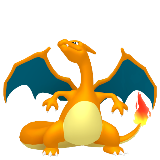 Charizard#006
 Squirtle#007
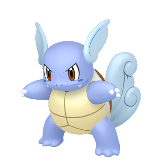 Wartortle#008
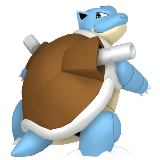 Blastoise#009
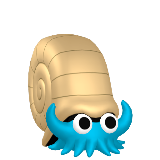 Omanyte#138
 Omastar#139
 Kabuto#140
 Kabutops#141
 Articuno#144
 Zapdos#145
 Moltres#146
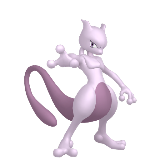 Mewtwo#150
 Mew#151
 Celebi#251
Kanto’s starters, fossils and legendaries never made it across the Tohjo Falls: the only way to register them is a Time Capsule trade from Red, Blue or Yellow. Celebi, the one Johto Pokémon missing, was event-only (see below).
Version exclusives
And of course we have exclusive Pokémon to each version, as follows:
Exclusive to Gold
 Mankey#056
 Primeape#057
 Growlithe#058
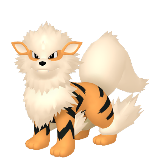 Arcanine#059
 Spinarak#167
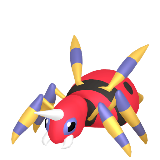 Ariados#168
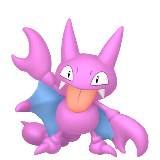 Gligar#207
 Teddiursa#216
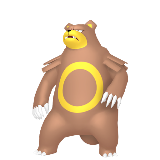 Ursaring#217
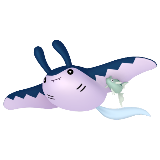 Mantine#226
Mankey, Primeape, Growlithe, Arcanine, Spinarak, Ariados, Gligar, Teddiursa, Ursaring, Mantine.
Exclusive to Silver
 Vulpix#037
 Ninetales#038
 Meowth#052
 Persian#053
 Ledyba#165
 Ledian#166
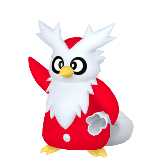 Delibird#225
 Skarmory#227
 Phanpy#231
 Donphan#232
Vulpix, Ninetales, Meowth, Persian, Ledyba, Ledian, Delibird, Skarmory, Phanpy, Donphan.
In Japan and Korea the Teddiursa and Phanpy lines were the other way round (Ursaring in Silver, Donphan in Gold); the Western releases swapped them and the remakes kept the Western split. Ho-Oh and Lugia are in both games – your version’s mascot at level 40 before the Elite Four, the other at level 70 in the post-game.
And finally we have Celebi who could be obtained in either Gold or Silver version if you participated in certain official events. There was no way to get Celebi other than via these events.
Starter Pokémon
The Johto region starter Pokémon are:-
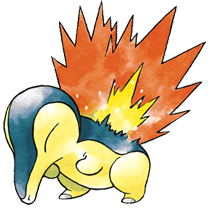
- Cyndaquil – the Fire type successor to Charmander. Its evolution chain goes Cyndaquil > Quilava and then to its final form Typhlosion.
- Totodile – the Water type successor to Squirtle. Its evolution chain goes Totodile > Croconaw and then into the fearsome Feraligatr.
- Chikorita, the Grass type successor to Bulbasaur. Its evolution chain goes Chikorita > Bayleef and then finally into Meganium.
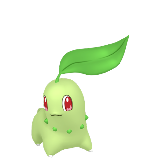 ChikoritaGrass · Bayleef (16) → Meganium (32)
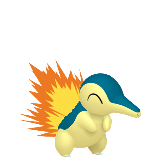 CyndaquilFire · Quilava (14) → Typhlosion (36)
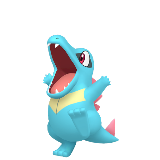 TotodileWater · Croconaw (18) → Feraligatr (30)
- Chikorita: The hard-mode choice: Falkner, Bugsy, Morty’s Poison types and Pryce all resist or punish Grass. Meganium’s Reflect and Light Screen help it tank hits, and it comes into its own against Brock and Misty in Kanto.
- Cyndaquil: A comfortable all-rounder: Ember arrives in time to scorch Bugsy’s team, and Fire also handles Jasmine’s Steel types and Pryce’s Ice types. Its speed makes the mid-game smooth.
- Totodile: Feraligatr is the earliest final evolution of the three, at Lv. 30. Water is super-effective against Jasmine’s Steelix, Pryce’s Piloswine and, later, Brock and Blaine, making it a popular smooth ride.

Legendary and Mythical Pokémon
 Ho-OhRoof of the Tin Tower, Ecruteak City
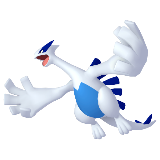 LugiaWhirl Islands, lowest basement (B2F)
 RaikouRoaming Johto after the Burned Tower bas
 EnteiRoaming Johto after the Burned Tower bas
 SuicuneRoaming Johto after the Burned Tower bas
- CelebiNo in-game location in Gold and Silver –
 Gyarados (red)Lake of Rage
Ho-Oh – Lv. 40 (Gold) / 70 (Silver), roof of the Tin Tower, Ecruteak City. With the Rainbow Wing in your bag, Ho-Oh appears on the roof;, nothing else is required in Gold and Silver (the Clear Bell and the three beasts are Crystal requirements). Gold: the Radio Tower director gives you the Rainbow Wing after you beat Team Rocket, so Ho-Oh is available before the Elite Four; it knows Sacred Fire, Safeguard, Gust and Recover and holds Sacred Ash. Silver: the Rainbow Wing comes from an old man in Pewter City near the Route 3 exit, so it is post-game; this Lv. 70 Ho-Oh knows Recover, Fire Blast, Sunny Day and Swift.
Lugia – Lv. 40 (Silver) / 70 (Gold), whirl Islands, lowest basement (B2F). Lugia appears on B2F when the Silver Wing is in your bag. Silver: the Radio Tower director gives the Silver Wing after the Rocket takeover; the Lv. 40 Lugia knows Aeroblast, Safeguard, Gust and Recover. Gold: the Silver Wing comes from the old man in Pewter City (the giver of the Silver Wing is inferred as the mirror of the Rainbow Wing); this Lv. 70 Lugia knows Recover, Hydro Pump, Rain Dance and Swift. Waterfall is not needed in Generation II; Surf and Whirlpool are needed to reach the islands.
Raikou – Lv. 40, roaming Johto after the Burned Tower basement event. Drop into the Burned Tower basement after the rival battle and the three beasts wake and bolt. Raikou then roams Johto’s routes, moving whenever you change area and fleeing on its first turn. Damage and status stay between encounters. Once you have seen it, its position shows on the Pokédex area map. Trap it (Mean Look or Spider Web), put it to sleep, or use the Master Ball.
Entei – Lv. 40, roaming Johto after the Burned Tower basement event. Works exactly like Raikou: it roams, flees at once and keeps its damage between encounters. Fire-resistant Pokémon that can put it to sleep or trap it make the chase easier.
Suicune – Lv. 40, roaming Johto after the Burned Tower basement event. In Gold and Silver, Suicune roams like the other two. Only in Crystal does it become a fixed story encounter at the Tin Tower instead.
Celebi – No in-game location in Gold and Silver – events only. The Gold and Silver distributions were: Nintendo Space World 2000 (Japan, 25–27 August 2000), a Shogakukan event (Japan, October 2000), the Celebi Sweepstakes (North America, August 2001), a Nintendo Power promotion (US, September 2001) and the Celebi Tour (Europe, 23 August–4 November 2001). The GS Ball quest in Ilex Forest is Crystal-only: in the original release it was distributed only in Japan, and in the 3DS release of Crystal it is unlocked for everyone. A bad-clone exploit, the Celebi Egg glitch, can also produce one.
Gyarados (the Red Gyarados) – Lv. 30, lake of Rage. A fixed story encounter that is always shiny. Catch it or knock it out and you get the Red Scale, which Mr. Pokémon will exchange for an Exp. Share.
Gift Pokémon, in-game trades and trade evolutions
Pokémon you are simply handed:
- Chikorita, Cyndaquil or Totodile (Lv. 5) – Professor Elm’s lab, New Bark Town. Choose one at the start; each holds a Berry.
- Togepi (Egg) – Violet City Pokémon Center. Mr. Pokémon’s Mystery Egg; Elm’s aide gives it to you after you earn the Zephyr Badge, and it hatches into Togepi at Lv. 5.
- Spearow ‘Kenya’ (Lv. 10) – Webster, the guard in the gatehouse south of Goldenrod City. Carries Mail meant for a man on Route 31, who gives you TM50 Nightmare for delivering it.
- Eevee (Lv. 20) – Bill’s family home, Goldenrod City. Given by Bill after you have met him at the Ecruteak Pokémon Center.
- Shuckle ‘Shuckie’ (Lv. 15) – Cianwood City. A Pokémon Mania asks you to look after it; he later wants it back.
- Tyrogue (Lv. 10) – Mt. Mortar (B1F). Reward from Kiyo, the Karate King, after you beat him.
Six in-game trades, none of which hands over a Johto Pokémon – as Luke notes in the trivia, Generation II species have to come from friends:
| You give | You get | Where |
|---|---|---|
| Bellsprout | Onix ‘ROCKY’ (male, holds a Bitter Berry; from KYLE) | Violet City |
| Drowzee | Machop ‘MUSCLE’ (female, holds a Gold Berry; from MIKE) | Goldenrod Department Store (Crystal asks for an Abra instead) |
| Krabby | Voltorb ‘VOLTY’ (holds a PRZCureBerry; from TIM) | Olivine City |
| Chansey | Aerodactyl ‘AEROY’ (male, holds a Gold Berry; from KIM) | Route 14, Kanto |
| Dragonair (female) | Rhydon ‘DON’ (female, holds a Bitter Berry; from EMY) | Blackthorn City (Crystal changes this to Dodrio for Dodrio) |
| Gloom | Rapidash ‘RUNNY’ (male, holds a Burnt Berry; from CHRIS) | Pewter City (Crystal changes this to Haunter for Xatu) |
Ten Pokémon only evolve when traded, six of them while holding one of the new items: Kadabra into Alakazam, Machoke into Machamp, Graveler into Golem, Haunter into Gengar, Onix into Steelix (Metal Coat), Scyther into Scizor (Metal Coat), Seadra into Kingdra (Dragon Scale), Poliwhirl into Politoed (King’s Rock), Slowpoke into Slowking (King’s Rock), Porygon into Porygon2 (Up-Grade).
By our count a single cartridge tops out at 206 of 251, Gold or Silver: 19 can’t be had without a Generation I trade or an event (the nine Kanto starters, the four fossil Pokémon, the three birds, Mewtwo, Mew and Celebi), ten only evolve by trade, ten belong to the other version and you only ever get one of the three starter lines.
Trading & connectivity
GS had a wonderful Link battle system which adds new rules based on Pokémon Stadium. Using a Link Cable two people can link to trade or battle.
It also featured a time machine that would allow you to trade certain Pokémon back to Pokémon Red, Blue, Yellow or Green.
It is also compatible with Pokémon Stadium 2 to battle, trade or archive Pokémon.
Additionally both Pokémon Gold and Silver are compatible with the Game Boy Printer which allows the printing of Pokédex entries, mail and storage boxes amongst other things.
Two cartridges link by Game Link Cable to trade and battle under new Stadium-style rules. The Time Capsule, which works after you meet Bill, connects to Red, Blue and Yellow, but only for Pokémon that existed in Generation I and only with Generation I moves. Pokémon arriving from Generation I can turn up holding items. Mystery Gift swaps a daily present between Gold, Silver and Crystal over the Game Boy Color’s infrared port. Pokémon Stadium 2 reads the cartridge through the N64 Transfer Pak, playing it on the TV in the Game Boy Tower, storing and sorting Pokémon and items, and giving a daily Mystery Gift. The Game Boy Printer prints Pokédex entries, mail and PC boxes. The Korean release keeps the Time Capsule, though Generation I never launched in Korea. On the 3DS Virtual Console, wireless play replaces the cable, infrared Mystery Gift still works, printing is disabled, and Poké Transporter sends Pokémon on to Pokémon Bank.
The Johto region (and Kanto again)
Enter Johto, the true manifestation of a Japanese prefecture; we have places like Cherrygrove City, your typical place by the ocean, Ecruteak City, which is a typical Japanese town with old style towers.
Johto is a great place to visit with many sightseeing places and even a bullet train back to Kanto, in no other place than Goldenrod City, house to a radio tower and the radio shows that are constantly broadcast. We have places like Olivine City which are seaside, Olivine even has a Lighthouse!
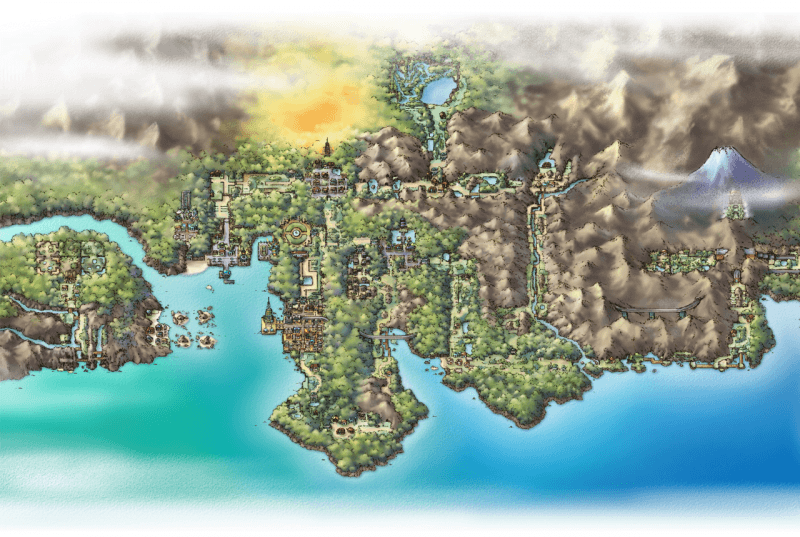
Check out each of the towns and cities of the Johto region below:

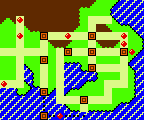
Johto, in the order you reach it

New Bark Town, “Winds of a new beginning”
The small town of new winds, just a place to heal your Pokémon and nothing too big… except the start of your adventure in Johto that is.
New Bark Town sits on Johto’s eastern coast, where the sea breezes are said to carry the start of every new journey. It is a hamlet of a few houses, with no Pokémon Center or Poké Mart, but it is home to Professor Elm’s laboratory. Your mother sends you off with a Pokégear and offers to save some of your prize money. While you are away on Elm’s errand, a red-haired boy who has been peering through the lab window breaks in and steals a starter, and a police officer later asks you to name the thief. The town is also the gateway east: Route 27 leads by water towards the Pokémon League, and after the Hall of Fame, Elm gives you the S.S. Ticket here.
Pokémon of note: Chikorita, Cyndaquil, Totodile. Items: Pokégear (from Mom), S.S. Ticket (from Elm after the Hall of Fame).
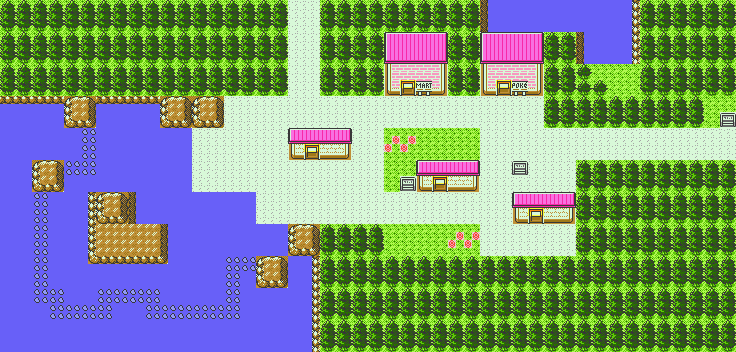
Cherrygrove City, “The City of Fragrant Flowers”
We have the first town where we have a Pokémon Center and a Poké Mart, not many things but a good spot for trainers who will catch their first Pokémon.
Route 29 is the gentle first stretch west of New Bark Town, with Sentret and Pidgey by day, Hoothoot at night, and a turning north to Route 46. On Tuesdays a girl named Tuscany waits here; she is one of seven siblings who each appear on a different weekday with a gift. The route ends at Cherrygrove City, a quiet seaside town where an old guide gives newcomers a tour and the Map Card for the Pokégear. Cherrygrove has the first Pokémon Center and Poké Mart. On its edge, the rival, newly armed with his stolen starter, forces your first trainer battle as you head back from Mr. Pokémon’s.
Pokémon of note: Sentret, Pidgey, Hoothoot (night), Rattata, Hoppip. Items: Map Card (from Cherrygrove’s guide), Pink Bow (from Tuscany, Tuesdays on Route 29).
Routes 30–31 & Mr. Pokémon’s house
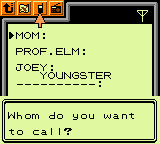
North of Cherrygrove, Route 30 passes Berry trees and a small pond on its way to the house of Mr. Pokémon, an eccentric collector who has found something he can’t explain. His discovery is an Egg, later revealed to hold a Togepi. Professor Oak, who is visiting, uses the meeting to hand you a Pokédex. Route 30 is also home to Youngster Joey, whose phone calls about his beloved Rattata became one of the series’ longest-running jokes. Route 31 turns west towards Violet City, past the entrance to Dark Cave and a man waiting for a letter carried by a Spearow named Kenya.
Pokémon of note: Caterpie, Weedle, Ledyba (Silver, mornings), Spinarak (Gold, nights), Poliwag, Bellsprout. Items: Mystery Egg (from Mr. Pokémon), Pokédex (from Professor Oak), TM50 Nightmare (for delivering Kenya’s Mail).
Violet City, “The City of Nostalgic Scents”
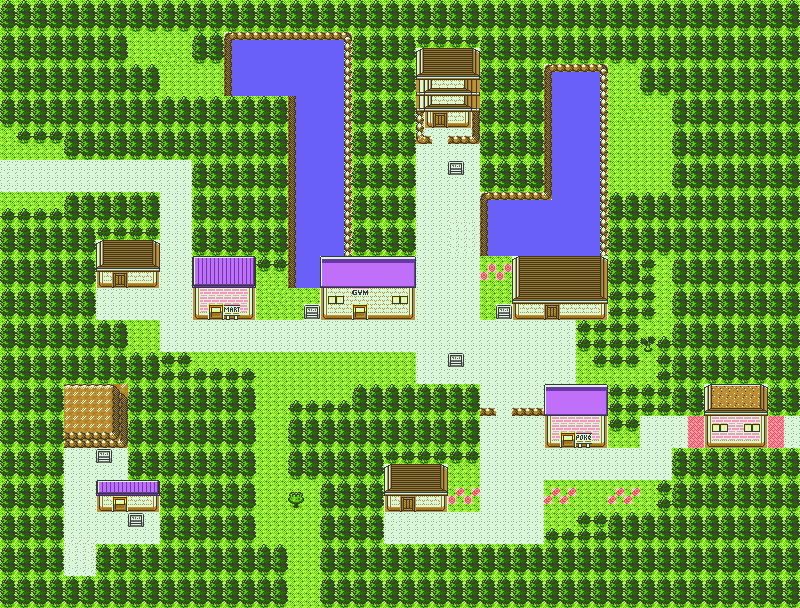
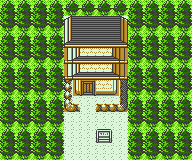
Falkner, the bird trainer heads up this town’s Gym. It is a place of old, a traditional Japanese town with the Sprout Tower, and the Violet Gym.
Violet City is a calm old town of wooden buildings and ponds that takes its traditions seriously. Its landmark is Sprout Tower, a pagoda whose swaying central pillar is said to have been made from a giant Bellsprout. The monks inside train with Bellsprout of their own and treat the swaying as a lesson in staying calm. At the top, the Elder gives you HM05 Flash, and the rival is seen leaving just ahead of you. Violet also has Falkner’s Flying-type Gym and Earl’s Pokémon Academy, where a blackboard explains status conditions. Once you earn the Zephyr Badge, Elm’s aide meets you at the Pokémon Center with the Mystery Egg.
Pokémon of note: Bellsprout, Gastly (Sprout Tower, night), Rattata, Onix (trade for a Bellsprout). Items: HM05 Flash (Sprout Tower Elder), Mystery Egg returned (Pokémon Center), TM31 Mud-Slap (Falkner).

Ruins of Alph
South of Violet City, beside Routes 32 and 36, are the Ruins of Alph, a group of ancient stone chambers studied by a team of researchers. Each chamber has a sliding-tile panel showing Kabuto, Omanyte, Aerodactyl or Ho-Oh. Solving one shakes the room and opens a passage below, where the strange Unown start to appear. Who built the ruins and why is never explained, and that mystery is part of the appeal. Gold and Silver have 26 Unown shapes, one for each letter from A to Z. The research centre next to the ruins adds an Unown mode to your Pokédex, and the Pokégear radio picks up an eerie signal here.
Pokémon of note: Unown, Smeargle, Natu. Items: Unown mode for the Pokédex (from the researchers), Unown signal on the Pokégear radio.

Union Cave & Route 32
Route 32 runs south from Violet City along the coast, lined with fishermen and trainers. Its Pokémon Center hides two very different characters: a fisherman who gives you the Old Rod, and a shifty salesman trying to sell a ‘genuine’ SlowpokeTail for a fortune, the first sign of Team Rocket’s operation in Azalea. Frieda, the Friday sibling, waits on the route itself. At its southern end is Union Cave, a damp tunnel of Zubat, Geodude and Onix that leads on to Azalea Town. Its lower floors, which you reach later with Surf, hold the most famous weekly event in Johto: every Friday, a Lapras surfaces in the deepest chamber.
Pokémon of note: Mareep, Wooper, Geodude, Onix, Zubat, Lapras (Fridays, Union Cave). Items: Old Rod, Miracle Seed, Poison Barb (Frieda, Fridays).

Azalea Town, “Living Happy with Pokémon”
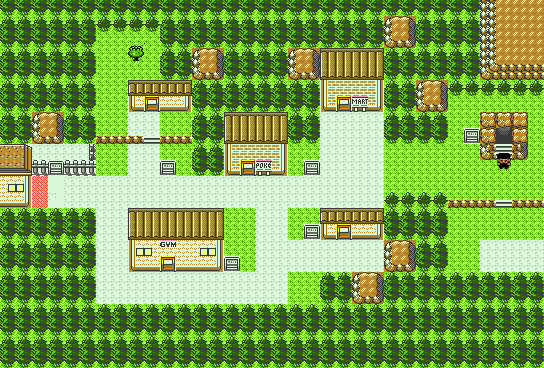
A small town which houses a lot of Slowpoke around, a really interesting place which houses the mighty Kurt, maker of Poké Balls. Bring an Apricorn, get a ball. It has the Azalea Gym, house of Bugsy who uses Bug type Pokémon. You may notice a suspicious figure on the east side of the map too.. “Prepare for trouble….”
Azalea Town is a sleepy forest town that worships the Slowpoke wandering its streets. Local legend says a Slowpoke’s yawn once brought the rain that ended a terrible drought, and the Slowpoke Well on the edge of town is its shrine. When you arrive, Team Rocket is down the well cutting off Slowpoke tails to sell. Kurt, the town’s master Poké Ball maker, charges in, hurts his back, and leaves the job to you. Afterwards Kurt turns Apricorns into special Poké Balls, the charcoal maker worries about his apprentice lost in Ilex Forest, and Bugsy waits in his Gym. As you leave, the rival ambushes you for the second time.
Pokémon of note: Slowpoke, Slowbro, Zubat. Items: Lure Ball (Kurt), King’s Rock (Slowpoke Well), TM49 Fury Cutter (Bugsy).

Ilex Forest
Ilex Forest is a dense, winding wood between Azalea Town and Goldenrod City. Locals speak of a protector of the forest, and a small wooden shrine stands deep inside, the seed of the Celebi story that Crystal and the remakes later tell. The charcoal maker’s apprentice has lost his Farfetch’d among the trees. Chasing the nervous bird back to him earns you HM01 Cut from his master, which you also need to clear the tree blocking the way out. Near the exit, a man gives you TM02 Headbutt, which shakes sleeping Pokémon out of trees across Johto.
Pokémon of note: Oddish, Paras, Caterpie, Weedle, Psyduck, Hoothoot (night). Items: HM01 Cut (charcoal maker), TM02 Headbutt.

Goldenrod City, “A Happening Big City”
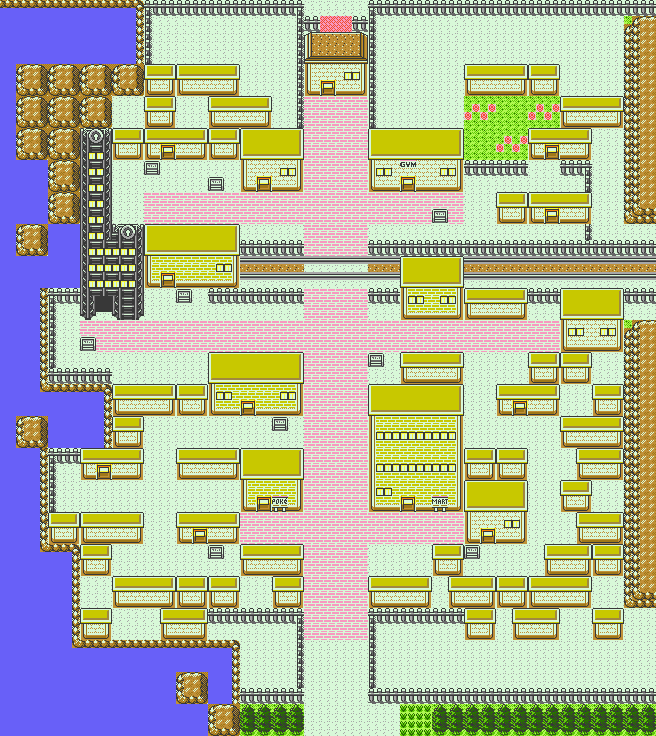
Goldenrod is the big city of Johto, it holds in too many things, Whitney, who uses Normal type Pokémon right on the Goldenrod Gym, alongside with The Bike Shop, The Goldenrod Department Store, the Game Corner, The Radio Tower, the Name Rater, an underground Tunnel, the flower shop, a free Eevee at Bill’s place and the Magnet Train Station. There are so many things here you will be coming back to Goldenrod a lot.
Goldenrod is Johto’s big city, a busy grid of shops around the Radio Tower, which broadcasts Professor Oak’s talk show, music and the Lucky Number Show to every Pokégear in the region. Its Department Store has a TM counter and a rooftop sale, its Game Corner offers slots, card flipping and prize Pokémon, and the Bike Shop lends you a free Bicycle in exchange for some advertising. Under the streets run the Underground passages, with haircut brothers, a Coin Case and, later, a secret warehouse. Whitney’s Clefairy-shaped Gym, Bill’s family home with its gift Eevee, the Name Rater, the flower shop and the Magnet Train station complete the city. Late in the game, Team Rocket seizes the Radio Tower.
Pokémon of note: Eevee (Bill), Abra (Game Corner), Cubone (Game Corner), Wobbuffet (Game Corner), Machop (trade for a Drowzee). Items: Bicycle (Bike Shop), Coin Case (Underground), SquirtBottle (flower shop, after the Plain Badge), Radio Card (Radio Tower quiz).

National Park & Routes 35–36
North of Goldenrod, Route 35 leads to the National Park, a fenced green space of fountains, statues and benches. On Tuesdays, Thursdays and Saturdays it hosts the Bug-Catching Contest: you get twenty Park Balls, twenty minutes and one Pokémon of your own, and Scyther and Pinsir are the prize catches. East of the park, Route 36 is blocked by an odd, trembling tree that is really a Sudowoodo. Spraying it with the SquirtBottle from Goldenrod’s flower shop starts a battle. Arthur waits here on Thursdays, and a man nearby gives you TM08 Rock Smash once the path is clear.
Pokémon of note: Scyther, Pinsir, Sudowoodo, Nidoran♀, Nidoran♂, Growlithe (Gold) / Vulpix (Silver). Items: TM08 Rock Smash, Sun Stone (Bug-Catching Contest first prize), Hard Stone (Arthur, Thursdays).
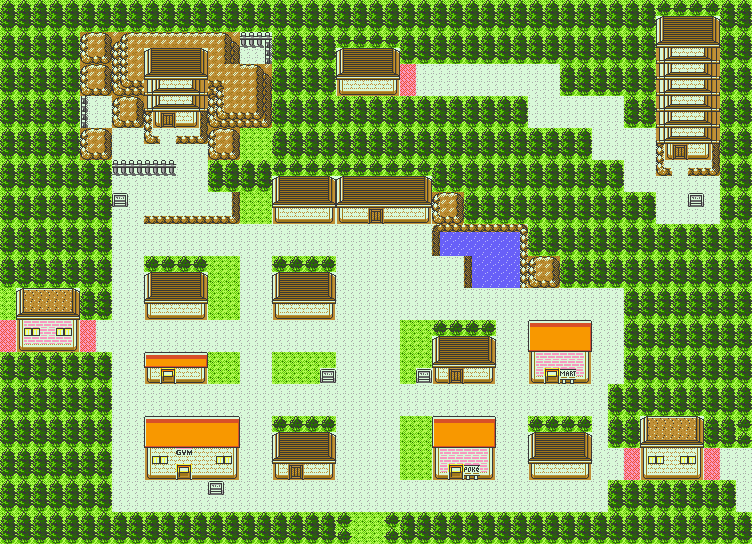

Ecruteak City, “A Historical City”
There are many things in this town, including the Ecruteak Gym which houses Morty, gym leader and trainer of Ghost Type Pokémon. We have the Dance Theater, the barrier station to the Bell Tower, and the Burned Tower. There are a lot of legends surrounding this city, alongside the mythical bird Pokémon.
Ecruteak is Johto’s old cultural heart, a town of shrines and tiled roofs. About 700 years ago two nine-tier towers were built here to bring people and Pokémon closer, and Ho-Oh roosted on the eastern one. About 150 years ago, lightning set the western tower alight and it burned down. Ho-Oh is said to have revived three Pokémon that died in the blaze, the origins of Raikou, Entei and Suicune, and the trio sleeps in the ruin’s basement until you disturb them. The Tin Tower still stands, but its roof is reached only with the Rainbow Wing. The Kimono Girls dance in the theatre, Morty runs the Ghost-type Gym, and Bill waits at the Pokémon Center.
Pokémon of note: Raikou, Entei, Suicune, Ho-Oh (Tin Tower), Magmar (Burned Tower), Koffing. Items: HM03 Surf (after beating the Kimono Girls), TM30 Shadow Ball (Morty).
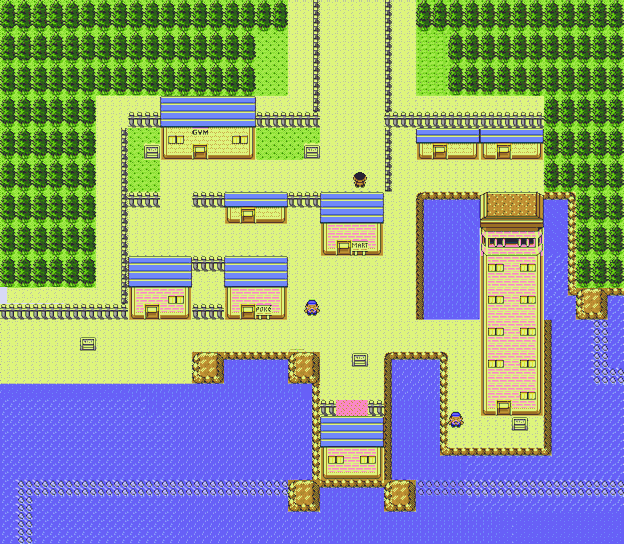

Olivine City, “The Port with Sea Breezes”
Enter Olivine, the lighthouse city and the one that has the Olivine Gym, house to the mythical Steel-type leader Jasmine. It is also the way to go to Kanto through the S.S. Aqua. It also houses the Olivine Café.
Olivine is Johto’s western port, a breezy harbour town of sailors and warehouses, and the S.S. Aqua’s terminal for Kanto. Its lighthouse, the Glitter Lighthouse, guides ships with the help of Amphy, Jasmine’s Ampharos, whose light has grown dim because it is ill. Jasmine won’t leave its side, so her Steel-type Gym is closed until you cross the sea to Cianwood and bring back medicine. In the Olivine Café, a sailor gives you HM04 Strength, a fisherman hands out the Good Rod, and Route 39 leads north to the Moomoo Farm, whose sick Miltank also needs Berries. There is also an in-game trade: a Krabby for a Voltorb.
Pokémon of note: Miltank (Route 39), Tauros (Routes 38–39), Magnemite, Tentacool, Voltorb (trade for a Krabby). Items: HM04 Strength (Olivine Café), Good Rod, TM23 Iron Tail (Jasmine).

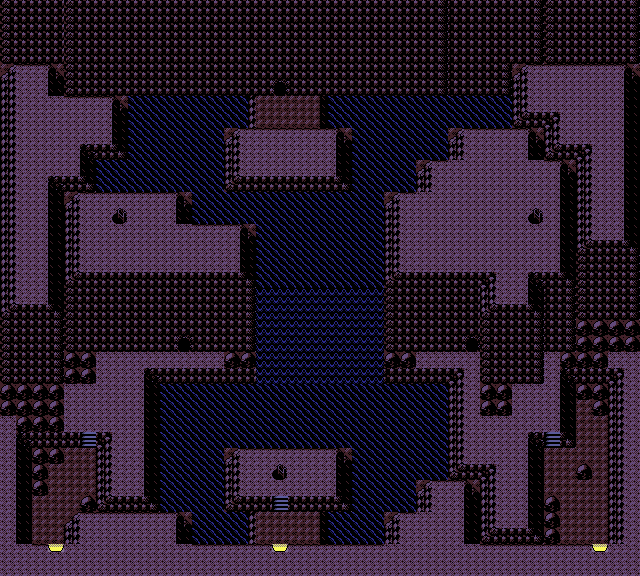
Cianwood City, “A port of Crashing Waves”
Constantly pounded by waves, this coastal city houses the Cianwood Gym, house of the hot-headed Chuck. Here we have the Photo Studio which lets you print pictures of your Pokémon with its stats. It also has a Pharmacy where you can get bitter medicine that will help your Pokémon but will make them feel less happy towards you.
Cianwood sits on Johto’s rocky western shore and can only be reached by surfing across the open sea of Route 41. The waves pounding its cliffs give it a tough, independent character. Chuck trains his Fighting types here, his wife gives you HM02 Fly after the battle, and the pharmacy makes the medicine that saves Olivine’s Ampharos. A Pokémon Mania asks you to look after his Shuckle, and a photo studio prints pictures of your Pokémon on the Game Boy Printer. On the way over, Route 41 surrounds the four Whirl Islands, a maze of caves and whirlpools where Lugia waits in the deepest basin.
Pokémon of note: Shuckle (gift), Lugia (Whirl Islands), Mantine (Route 41, Gold), Seel, Krabby, Horsea. Items: SecretPotion (Cianwood pharmacy), HM02 Fly (Chuck’s wife), TM01 DynamicPunch (Chuck).
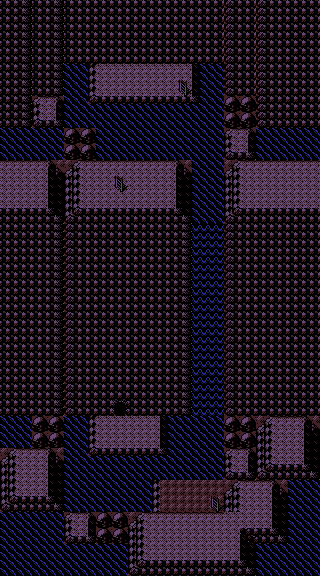
Route 42 & Mt. Mortar
Route 42 links Ecruteak and Mahogany. It is dotted with Apricorn trees and broken up by the three entrances of Mt. Mortar. The mountain’s tunnels hide an underground waterfall and a large interior that you can only explore fully with Strength and Waterfall. Deep inside trains Kiyo, the Karate King, who has shut himself away to perfect his technique. Beat him and he gives you a Tyrogue, the only Tyrogue you can get without breeding. Marill bound through the caves, which makes Mt. Mortar a favourite stop for anyone after the Water-type mouse.
Pokémon of note: Tyrogue (gift from Kiyo), Marill, Machop, Geodude, Zubat. Items: Tyrogue (Kiyo), Pink, Green and Yellow Apricorn trees (Route 42).

Mahogany Town, “Home of the Ninja”
A mythical place surrounded in shadow, Ninjas resided in this place which now holds the evil-doers none other than Team Rocket! A strategic place which is nearby the Lake of Rage. It has the Mahogany Gym which houses Pryce the cold Ice-type Pokémon trainer.
Mahogany Town is a small mountain village said to be a home of ninja, so quiet that its souvenir shop selling RageCandyBars is the main attraction. That shop is a front: a hidden staircase leads down to Team Rocket’s hideout, a base of security alarms, password doors and items that turn out to be Pokémon waiting to ambush you. There the gang runs a radio transmitter powered by Electrode. Lance asks you to help shut it down and rewards you with HM06 Whirlpool. Pryce’s Ice-type Gym also stands in the village, and Route 43 leads north, through a gate where Rockets charge travellers a toll, to the Lake of Rage.
Pokémon of note: Electrode (the transmitter’s power source), Piloswine (Pryce’s ace), Swinub (nearby). Items: HM06 Whirlpool (Lance), TM16 Icy Wind (Pryce), RageCandyBar (souvenir shop).

Lake of Rage
The Lake of Rage is a wide lake north of Mahogany Town, said to have been formed by the rampages of furious Gyarados. When you first arrive, the legend seems to be happening again: the lake is full of thrashing Gyarados, forced to evolve by Team Rocket’s radio signal, and one of them is bright red. Beat or catch the Lv. 30 Red Gyarados and it leaves behind a Red Scale. Lance, who has been watching, then asks for your help investigating. A fishing expert by the lake keeps a record of the biggest Magikarp, another resident gives you TM10 Hidden Power, and on Wednesdays Wesley waits with his gift.
Pokémon of note: Gyarados (red, Lv. 30), Magikarp, Girafarig (Route 43). Items: Red Scale, TM10 Hidden Power, BlackBelt (Wesley, Wednesdays).

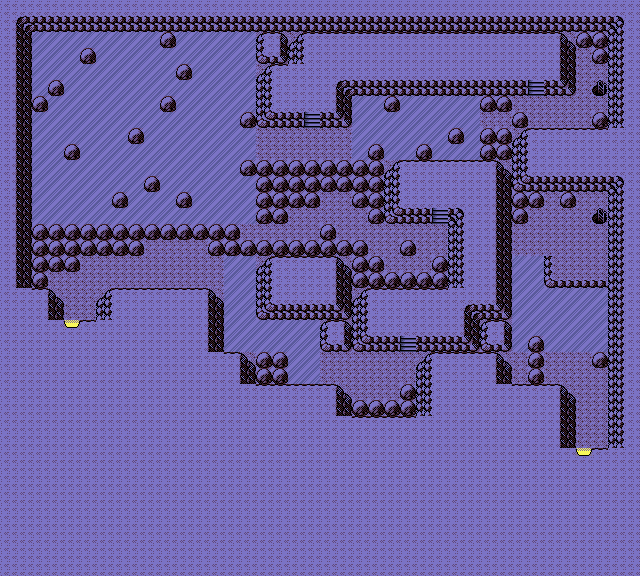
Blackthorn City, “A Quiet Mountain Retreat”
On top of Johto, only being under the Silver Cave, Blackthorn City is the house of the Blackthorn Gym and its leader, Clair, who specialises in Dragon Type Pokémon. The Dragon’s Den is a wonderful place full of dragons and it also has the Move Deleter and Move Tutor.
East of Mahogany, Route 44 climbs to the Ice Path, a frozen cave of slippery floors and Strength boulders where HM07 Waterfall lies on the ice. Swinub, Jynx and Sneasel live in the cold. On the far side is Blackthorn City, a mountain town of dragon tamers ringed by cliffs. Clair runs its Gym, and behind it is the Dragon’s Den, a cave lake with a shrine where the clan elder tests how you treat your Pokémon with a series of questions. Clair only hands over her badge after you pass. Dratini can be fished from the den’s water, and the town also has a Move Deleter and a trade offering a Rhydon for a Dragonair.
Pokémon of note: Swinub, Jynx, Sneasel, Delibird (Silver), Dratini, Dragonair. Items: HM07 Waterfall (Ice Path), TM24 DragonBreath (Clair), Spell Tag (Santos, Saturdays).

Routes 45–46 & Dark Cave
Route 45 drops steeply south from Blackthorn City, a one-way slope of ledges and hikers that, together with Route 46, brings you back down to Route 29. It is one of the best places for version exclusives: Gligar appears here in Gold, while Skarmory and Phanpy appear in Silver. The upper part of the route also leads into Dark Cave, a pitch-black network that runs under the mountains to Route 31. You need Flash to explore it, and its rarest resident is Dunsparce. Apricorn trees along the way keep Kurt supplied.
Pokémon of note: Gligar (Gold), Skarmory (Silver), Phanpy (Silver), Dunsparce (Dark Cave), Graveler. Items: Apricorn trees (Routes 45–46), BlackGlasses (Dark Cave).

Tohjo Falls & Routes 26–27
Once Clair’s badge is yours, the way to the Pokémon League opens east of New Bark Town. You surf onto Route 27, a coastal path of tough trainers, and pass through Tohjo Falls, a waterfall cave on the regional border that you need Waterfall to cross. Route 26 then runs north towards Victory Road, past a rest house where you can heal your team, to a gate where guards check that you hold all eight badges. These routes have some of the highest-level wild Pokémon before the League, including Ponyta, Doduo and Sandslash.
Pokémon of note: Ponyta, Doduo, Sandslash, Raticate, Slowpoke (Tohjo Falls). Items: HM07 Waterfall required at Tohjo Falls, Rest house on Route 26 (free healing).

Victory Road & the Indigo Plateau
Victory Road is the last cave before the Pokémon League, a climb through boulders and Graveler where the rival waits to battle you one last time before the Elite Four. Beyond it, the Indigo Plateau has the same feel as in the first games: a Pokémon Center and Poké Mart under one roof, then a series of rooms where you must beat Will, Koga, Bruno and Karen in a row before facing Champion Lance. Winning puts your team in the Hall of Fame and sets up the Kanto post-game. After the Mt. Moon battle, the rival can also be found here for rematches.
Pokémon of note: Graveler, Onix, Golbat, Rhyhorn. Items: Indigo Plateau Poké Mart (Full Restore, Max Potion), Hall of Fame record.
Kanto, three years on
Then there’s Kanto. The whole of the first games’ region is folded into the post-game, squeezed in by Satoru Iwata’s compression tools, and it has moved on by three years:

Three years after Red’s adventure, Kanto has moved on. The S.S. Aqua docks at Vermilion City, where a sleeping Snorlax blocks Diglett’s Cave. The Power Plant has lost a vital Machine Part, so the new Magnet Train between Goldenrod and Saffron can’t run until you track the part down in Cerulean. Saffron’s Copycat also wants her lost doll back before she hands over her rail Pass. Lavender’s Pokémon Tower has become the Kanto Radio Tower, and its Poké Flute channel wakes the Snorlax. A volcanic eruption has destroyed Cinnabar Island except for its Pokémon Center, and Blaine has moved his Gym to the Seafoam Islands. The Safari Zone is closed, Viridian Forest no longer appears and Cerulean Cave can’t be entered. Koga has left the Fuchsia Gym to his daughter Janine, and Blue, Red’s old rival, now runs the Viridian Gym.
Pokémon of note: Snorlax (Lv. 50, Vermilion), Porygon (Celadon Game Corner), Aerodactyl (Route 14 trade for a Chansey), Electabuzz (Route 10), Chansey (Routes 13–15). Items: Machine Part (return to the Power Plant), EXPN Card (Lavender Radio Tower), Pass (Copycat, Saffron), Silver Wing (Gold) / Rainbow Wing (Silver) from the old man in Pewter City.
Mt. Silver
Mt. Silver
Mt. Silver, the mountain on the border between Johto and Kanto, is closed to everyone but the strongest trainers. The English Gold and Silver call the location Silver Cave. Professor Oak only gives permission once you hold all sixteen badges, after which Route 28 leads west to a lone Pokémon Center at the foot of the mountain. Inside, the first chamber is pitch dark and Flash helps. The deeper passages are home to Ursaring in Gold or Donphan in Silver, along with Sneasel and Golbat, and the rare Larvitar can be found in the cave too. At the very end stands Red, the silent former Champion, with the strongest team in the game.
Pokémon of note: Larvitar (rare), Ursaring (Gold) / Donphan (Silver), Sneasel, Golbat, Ponyta and Doduo (outside). Items: Full Restore (hidden outside the cave, south-west), HM05 Flash is needed in the first, dark chamber.
Characters
A new hero, a thief for a rival, a professor who studies Eggs and, at the very end, the hero of the last games. Gold and Silver’s cast is small but every one of them earns their place.
The main cast

Gold (Ethan), the player
The hero of Gold and Silver is a boy from New Bark Town in a backwards cap, whose mother hands him the Pokégear and offers to bank his prize money. The games let you name him, and in 1999 he had no fixed name of his own. Official material and the Pokémon Adventures manga called him Gold, in the same way the first games’ hero became Red. The name Ethan (Hibiki in Japan) only arrived with HeartGold and SoulSilver in 2009, and Crystal had already added a girl, Kris, as an alternative player character. In Pokémon Adventures, the Gold, Silver and Crystal chapter stars a hot-headed boy named Gold whose partners include Exbo the Typhlosion and Aibo the Aipom.
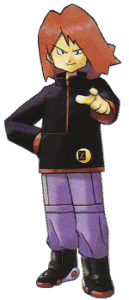
Silver, your rival
The rival breaks into Professor Elm’s lab, steals whichever starter has the type advantage over yours, then picks a fight outside Cherrygrove City. The game never tells you his name. Instead, a police officer asks you for it, and whatever you say becomes his name; the default is Silver, and he shows as ‘???’ in that first battle. He has red hair and a sneer, is obsessed with power, treats his Pokémon as tools and despises Team Rocket as cowards who only act in groups. A crushing defeat by Lance shakes his confidence, and in later battles he starts to question what strength really means. By the final rematch at the Indigo Plateau his Golbat has become a Crobat, a species that only evolves through friendship, which many players read as a sign that he has finally learned to care. FireRed and LeafGreen later hinted that Giovanni’s child has red hair, and HeartGold and SoulSilver confirmed that Silver is Giovanni’s son.

Professor Elm
Professor Elm runs the research laboratory in New Bark Town and studies how Pokémon evolve and breed; he was once a student of Professor Oak. He is kind but scatterbrained. He gives you your first Pokémon and sends you to collect Mr. Pokémon’s discovery, which turns out to be an Egg, and his research on it introduces the game’s breeding system. He calls often with news, and after your Hall of Fame win he gives you the S.S. Ticket to Kanto.

Professor Oak
Professor Oak has taken part of his work to the airwaves. He co-hosts Professor Oak’s Pokémon Talk on the Goldenrod radio with DJ Mary, sharing where different Pokémon can be found. You first meet him at Mr. Pokémon’s house, where he gives you a Pokédex. In Kanto he is back at his Pallet Town lab, and once you hold all sixteen badges he gives the permission you need to enter Mt. Silver.

Lance, the Champion
Lance, the dragon master from Blackthorn City who was the last of the Kanto Elite Four in the first games, is now Champion of the Indigo Plateau. You first meet him watching the Red Gyarados at the Lake of Rage. Suspecting Team Rocket, he joins you in Mahogany Town to raid their hideout, with his Dragonite clearing the way. As thanks he gives you the HM for Whirlpool. His cousin Clair runs the Blackthorn Gym. As Champion he uses Gyarados (Lv. 44), Dragonite (47), Charizard (46), Aerodactyl (46), Dragonite (47) and Dragonite (50), and every one of them knows Hyper Beam. Players have long pointed out two oddities: his Aerodactyl knows Rock Slide, which it couldn’t legally learn in Generation II, and all three of his Dragonite are below Lv. 55, the level at which Dragonair evolves.

Red
Red is the Pallet Town boy who became Champion in the first generation and then disappeared. Three years later he trains alone on Mt. Silver, while his old rival Blue runs the Viridian Gym. In Gold and Silver his trainer class is simply Pokémon Trainer. He uses the same battle music as Lance, says nothing but ellipses, and has the highest-level team in the game, led by a Lv. 81 Pikachu with Espeon, Snorlax and the three Kanto starters behind it. Beating him ends the game, but he comes back every time you beat the Elite Four again.

Kurt
Kurt is Azalea Town’s veteran Poké Ball maker. Give him an Apricorn and he turns it into a special ball by the next day: Level, Lure, Moon, Friend, Fast, Heavy and Love Balls. When Team Rocket raids the Slowpoke Well he rushes in, falls and hurts his back, so you finish the job for him. Afterwards he thanks you with a Lure Ball and starts taking your Apricorns.
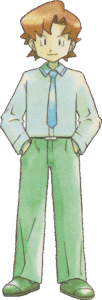
Bill
Bill, the Kanto inventor of the Pokémon Storage System, is in Johto to set up the Time Capsule. You meet him at the Ecruteak Pokémon Center, after which you can link with the first-generation games. At his family’s home in Goldenrod City he then gives you a Lv. 20 Eevee.

The Kimono Girls
Five Kimono Girls dance at the Ecruteak Dance Theater, each with a different Eevee evolution: Flareon, Jolteon, Vaporeon, Espeon or Umbreon. Beat all five and a gentleman in the audience gives you HM03 Surf. Their bigger role, tied to the legends, belongs to HeartGold and SoulSilver.
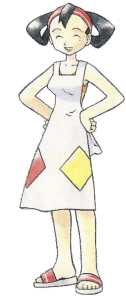
Mum
Your mother is the first person to hand you something useful – the Pokégear – and the only one who looks after your money. Let her bank your prize winnings and she will phone every so often to say she’s bought you an item or a decoration for your room with the savings.
Team Rocket
Team Rocket is up to no good again! Organised by the grunts this time, in the absence of their leader, Team Rocket is stealing Pokémon and using them for no good at all. We meet them first at the Slowpoke Well to the east of Azalea Town and then take them on at their HQ located south of the Lake of Rage.
It’s from this HQ that they have been using a device to emit radio waves to modify and alter Pokémon to suit their own sinister whims, a by-product of this was the creation of the Shiny Gyarados, which is available to all trainers at the Lake of Rage. With the help of none other than Lance, the Pokémon Champion, you set about to try and end Team Rocket’s evildoing once and for all.

Three years after Giovanni walked away, the remnants of Team Rocket are running their own campaign in Johto. In Azalea Town, a squad under an unnamed executive (named Proton only in HeartGold and SoulSilver) is cutting off Slowpoke tails to sell, until you and Kurt break it up. In Mahogany Town, the gang’s hideout behind a souvenir shop powers a transmitter that drives the Magikarp in the Lake of Rage to evolve into Gyarados; the red one is a side effect. You and Lance’s Dragonite shut it down, but the real scheme is bigger. The Rockets take over Goldenrod’s Radio Tower, with an executive posing as the director while the real one is locked in the Underground warehouse, and plan to broadcast a summons to Giovanni wherever he is. He never answers. Giovanni does not appear in Gold or Silver at all. Once you beat the executives on the top floor, the Rockets declare Team Rocket finished and scatter.
Team Rocket’s Johto campaign is led by a few executives who have no names in Gold and Silver. One runs the raid on the Slowpoke Well, two (a man and a woman) guard the Mahogany hideout, and at the Radio Tower one poses as the director while others hold the top floor. HeartGold and SoulSilver later named the four as Archer, the acting leader; Ariana; Proton, from the Slowpoke Well; and Petrel, the fake director. Their plan is to use the tower’s transmitter to call Giovanni back. When you defeat them on the top floor, they announce that Team Rocket is disbanding and scatter.
Gym Leaders
The gym leaders you will face in the Johto region.
The Johto badge route – the order the game expects, with each leader’s ace, a sensible team level and the TM they hand over:
- Zephyr BadgeFalkner · Violet CityFlying · ace Pidgeotto Lv. 9Aim for Lv. 10–12 · TM31 Mud-Slap
- Hive BadgeBugsy · Azalea TownBug · ace Scyther Lv. 16Aim for Lv. 16–18 · TM49 Fury Cutter
- Plain BadgeWhitney · Goldenrod CityNormal · ace Miltank Lv. 20Aim for Lv. 20–23 · TM45 Attract
- Fog BadgeMorty · Ecruteak CityGhost · ace Haunter Lv. 23Aim for Lv. 25–28 · TM30 Shadow Ball
- Storm BadgeChuck · Cianwood CityFighting · ace Poliwrath Lv. 30Aim for Lv. 30–32 · TM01 DynamicPunch
- Mineral BadgeJasmine · Olivine CitySteel · ace Steelix Lv. 35Aim for Lv. 33–36 · TM23 Iron Tail
- Glacier BadgePryce · Mahogany TownIce · ace Piloswine Lv. 31Aim for Lv. 32–35 · TM16 Icy Wind
- Rising BadgeClair · Blackthorn CityDragon · ace Kingdra Lv. 40Aim for Lv. 38–42 · TM24 DragonBreath
The eight Johto Gym Leaders


Violet Gym: Falkner
Falkner uses bird Pokémon, the best way to deal with them is either with Rock or Electric Pokémon who will zap down his feathery friends. Falkner’s team is a rather basic Pidgey Lv. 7 followed by a Pidgeotto Lv. 9. Defeat him to obtain the Zephyr Badge.
“I’m Falkner, the Violet Pokémon Gym leader! People say you can clip flying-type Pokémon’s wings with a jolt of electricity… I won’t allow such insults to bird Pokémon! I’ll show you the real power of the magnificent bird Pokémon!” – Falkner
Falkner took over the Violet Gym from his father, a bird trainer who is away and never appears in Gold and Silver. Both Pokémon know Mud-Slap, a weak Ground move that lowers accuracy. Electric and Rock types are the classic answer, and the Onix you can get for a Bellsprout in Violet City resists Tackle and Gust. Anime: Ash wins the Zephyr Badge in ‘Fighting Flyer with Fire’ (EP131). Reward: TM31 Mud-Slap. Badge: Small Attack boost and lets you use Flash outside battle (no obedience change in Gold and Silver).

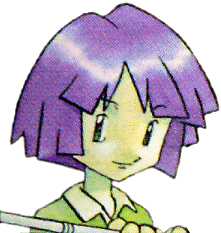
Azalea Gym: Bugsy
Bugsy as the name suggests uses Bug Pokémon, burn them down with Fire Pokémon or squish them down with Fighting moves. Bugsy’s team consists of a Metapod Lv. 14, Kakuna Lv. 14 and a Scyther Lv. 16. Defeating Bugsy will award you the Hive Badge.
“I’m Bugsy! I never lose when it comes to bug Pokémon. My research is going to make me the authority on bug Pokémon! Let me demonstrate what I’ve learned from my studies.” – Bugsy
Bugsy sees himself as a young bug researcher. Metapod and Kakuna are harmless, but Scyther’s Fury Cutter doubles in power with every hit in a row, so knock it out quickly with Fire, Flying or Rock moves. Cyndaquil players have the easiest time. Ash’s Hive Badge battle is in ‘Gettin’ the Bugs Out’ (EP144), where Cyndaquil’s Flamethrower gets past Scyther’s Swords Dance. Reward: TM49 Fury Cutter. Badge: Pokémon up to Lv. 30 obey; lets you use Cut outside battle.


Goldenrod Gym: Whitney
Whitney is perhaps the toughest cookie to crumble, using Normal type Pokémon. Normal Pokémon are weak to strong Fighting moves, so having a Mankey or Machop in party wouldn’t go amiss. Whitney’s team consists of a Clefairy Lv. 18 and Miltank Lv. 20. She will (eventually) hand over the Plain Badge once defeated.
“Hi! I’m Whitney! Everyone was into Pokémon, so I got into it too! Pokémon are super-cute! You want to battle? I’m warning you–I’m good!” – Whitney
Whitney is the series’ most notorious early roadblock. Miltank’s Rollout snowballs while Attract and Milk Drink stall you. Use a Fighting type, ideally the female Machop from the Department Store trade (Attract can’t affect it), or a Ground or Steel type to resist Rollout. Her Gym is shaped like a Clefairy, and she cries after losing. Anime: ‘A Goldenrod Opportunity’ (EP158) and ‘A Dairy Tale Ending’ (EP159). Reward: TM45 Attract. Badge: Small Speed boost and lets you use Strength outside battle.

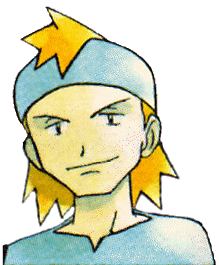
Ecruteak Gym: Morty
Morty uses Ghost Type Pokémon, they are weak to few types, other Ghosts and Dark Pokémon are good against them, although Morty uses the Gastly evolution chain so anything good against Poison type Pokémon will also help, Earthquake is a good move here, or Magnitude. Specifically Morty’s team includes a Gastly at Lv. 21, Haunter at Lv. 21, Gengar at Lv. 25 and another Haunter but at Lv. 23. Beat him and he’ll hand over the Fog Badge.
“Good of you to have come. Here, in Ecruteak, Pokémon have been revered. It’s said that legendary Pokémon will appear to the truly powerful trainers. I believed that tale, so I have secretly trained here all my life. As a result, I can now see what others cannot. Just a bit more… With a little more, I could see a future in which I meet the Pokémon of rainbow colors. You’re going to help me reach that level!” – Morty
Morty trains in Ecruteak hoping to meet the rainbow-coloured legendary Pokémon, Ho-Oh. Generation II Ghost types have no Levitate, so Ground moves such as Magnitude and Dig hit the whole Gastly line, and Dark or Psychic moves work too. Normal and Fighting moves pass straight through them. Watch out for Mean Look with Curse, and Hypnosis followed by Dream Eater. Anime: ‘From Ghost to Ghost’ (EP182). Reward: TM30 Shadow Ball. Badge: Pokémon up to Lv. 50 obey; lets you use Surf outside battle.

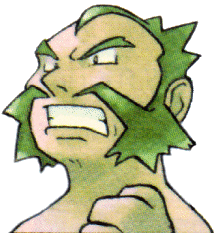
Cianwood Gym: Chuck
Chuck is a Fighting Pokémon specialist, bring in anything Flying or Psychic and the fight is won. Chuck’s team consists of a Primeape Lv. 27 and Poliwrath Lv. 30. Defeat Chuck to obtain the Storm Badge.
“WAHAHAH! So you’ve come this far! Let me tell you, I’m tough! My Pokémon will crush stones and shatter bones! Watch this! Urggh! Oooarrgh! There! Scared now, are you? What? It has nothing to do with Pokémon? That’s true! Come on. We shall do battle!” – Chuck
Chuck shows off by picking up and hurling a boulder before you battle. His Poliwrath combines Hypnosis, Mind Reader and DynamicPunch; Mind Reader makes the next attack certain to hit, and DynamicPunch always confuses. Psychic moves are super-effective against both his Pokémon, and Flying moves deal with Primeape. After the battle his wife gives you HM02 Fly. Anime: ‘Machoke, Machoke Man!’ (EP209). Reward: TM01 DynamicPunch. Badge: Pokémon up to Lv. 70 obey; lets you use Fly outside battle.


Olivine Gym: Jasmine
Jasmine is a shy girl who struggles to speak. She is also shown to be compassionate as when the Ampharos at Glitter Lighthouse falls ill Jasmine worries so much she loses her ability to smile. She is a Steel type Pokémon trainer nicknamed “The Steel-Clad Defense Girl”, use Fire Type Pokémon, but keep in mind that Steelix is also Ground type, so using a Ground Pokémon like Marowak would help a lot. Dugtrio is good too as it is faster than all of her Pokémon. Jasmine’s team includes a Magnemite Lv. 30 (two of them actually) and a Steelix Lv. 35. Once beaten Jasmine will yield the Mineral Badge.
“Thank you for your help at the Lighthouse… But this is different. Please allow me to introduce myself. I’m Jasmine, a Gym Leader. I use the steel-type. …Do you know about the steel-type? It’s a type that was only recently discovered. …Um… May I begin?” – Jasmine
Jasmine is a gentle, shy leader who won’t battle until her sick Ampharos, Amphy, at the top of the Olivine Lighthouse is well again, so you must first fetch medicine from Cianwood. Steelix is part Ground, so Fire, Fighting, Water and Ground moves are all super-effective on it, and her Magnemite are four times weak to Ground. Anime: ‘Nerves of Steelix!’ (EP224). Reward: TM23 Iron Tail. Badge: Small Defence boost (no HM).

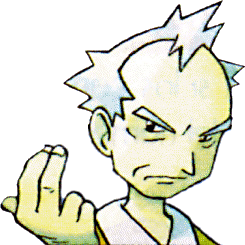
Mahogany Gym: Pryce
Pryce uses Ice Pokémon, however his last Pokémon is a Piloswine. Piloswine is half Ground so Electric moves won’t touch it and Fire moves actually hit it hard. Your best bet is to bring Electric Pokémon for the Seel and Dewgong and a Fire, Water or Fighting type for Piloswine. Pryce’s team contains a Seel Lv. 27, Dewgong Lv. 29 and Piloswine Lv. 31. Pryce will give you the Glacier Badge once defeated.
“Pokémon have many experiences in their lives, just like we do. I, too, have seen and suffered much in my life. Since I am your elder, let me show you what I mean. I have been with Pokémon since before you were born. I do not lose easily. I, Pryce–the winter trainer– shall demonstrate my power!” – Pryce
Pryce, the winter trainer, has spent around fifty years with Pokémon, and you have to cross an icy maze to reach him. Electric, Fighting, Rock and Steel moves handle Seel and Dewgong. Piloswine is Ice/Ground, so it is immune to Electric but takes double damage from Fire, Water, Grass, Fighting and Steel moves. Anime: ‘Nice Pryce, Baby!’ (EP238). Reward: TM16 Icy Wind. Badge: Boosts Special Attack and Special Defence (the Special Defence boost is bugged – see glitches); lets you use Whirlpool outside battle.


Blackthorn Gym: Clair
Clair uses Dragons, Dragons are weak against Ice Pokémon and other Dragon Pokémon, but her last Pokémon is a Kingdra, which shrugs off Ice and Grass alike – only Dragon moves hit it hard, so an Ice type for the Dragonair and raw power for the Kingdra is the plan. Specifically Clair’s Team comprises: Dragonair Lv. 37 x3 and a Kingdra Lv. 40. Defeat Clair and pass the Dragon’s Den Challenge to receive the Rising Badge.
“I am Clair. The world’s best dragon master. I can hold my own against even the Pokémon League’s Elite Four. Do you still want to take me on? …Fine. Let’s do it! As a trainer, I will use my full power against any opponent!” – Clair
Clair is Lance’s cousin and calls herself the world’s best dragon master. After losing, she withholds the badge until you pass the Dragon’s Den test. Each Dragonair knows Thunder Wave and DragonBreath plus one of Surf, Thunderbolt or Ice Beam. Ice moves hit Dragonair hard, but Kingdra is neutral to Ice and Grass; only Dragon moves are super-effective. Anime: EP252 and ‘Better Eight Than Never’ (EP254). Reward: TM24 DragonBreath (given with the badge after the Dragon’s Den test). Badge: All Pokémon obey regardless of level; lets you use Waterfall outside battle.
Kanto Gym Leaders
Upon defeating the Elite Four in Johto you get the opportunity to return to the Kanto region and face their gym leaders once more. They’ve grown stronger since you last took them on. Two of the gyms have also changed hands since you last visited Kanto; Koga has left the Fuchsia Gym in the capable hands of his daughter Janine and the Viridian Gym has since acquired a new occupant after the defeat of Giovanni in the first games.
There is no set order in Kanto. The S.S. Aqua drops you in Vermilion, so most players start with Lt. Surge; by strength the order runs Janine, Brock, Surge, Erika, Misty, Sabrina, Blaine and finally Blue.


Pewter Gym: Brock
Brock returns! And he still has the same arsenal as before but has become more powerful. He still uses Rock type Pokémon, but the type duality may surprise you! Omastar and Kabutops are Water types too, and three of his five are part Ground.
Team: Graveler Lv. 41, Rhyhorn Lv. 41, Omastar Lv. 42, Kabutops Lv. 42, Onix Lv. 44
Still a Rock specialist, Brock now has five Pokémon, including both fossil Pokémon. Every member is part Rock and three are also part Ground, so Water and Grass moves dominate; Kabutops’ Giga Drain is the one surprise. He gives no TM in Generation II and is delighted to meet a challenger from Johto.


Cerulean Gym: Misty
Misty now has a strong Lapras by her side, still using Water Pokémon make sure to zap them, except for her Quagsire, a Grass Pokémon is better suited for the job, but nothing poisonous!!!
Team: Golduck Lv. 42, Quagsire Lv. 42, Lapras Lv. 44, Starmie Lv. 47
Misty is first found on a date at Cerulean Cape (Route 25) and only returns to her Gym after you interrupt it. She now has Quagsire and Lapras. Electric and Grass moves cover most of her team, but Quagsire is immune to Electric and four times weak to Grass.


Vermilion Gym: Lt. Surge
The lightning American! Quick and simple, Surge is still a strong contender with his team of Electric Pokémon, be wary of his Magneton who is also a Steel Type, so use Ground types to your advantage.
Team: Raichu Lv. 44, Electrode Lv. 40, Electrode Lv. 40, Magneton Lv. 40, Electabuzz Lv. 46
Suggested order 3; his Gym is in the S.S. Aqua’s arrival port. Surge now has two Electrode that can use Explosion and a Magneton whose new Steel type gives it many resistances. A Ground type is immune to all his Electric moves.

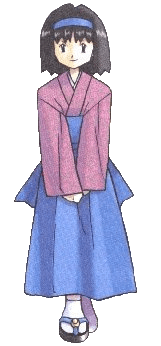
Celadon Gym: Erika
Erika is good at dancing, making tea, and raising plants that will end your Pokémon if you aren’t careful. All of her Pokémon are either Grass or Poison types so a Fire Pokémon will do the trick.
Team: Tangela Lv. 42, Jumpluff Lv. 41, Victreebel Lv. 46, Bellossom Lv. 46
Erika’s team adds the new Johto Grass types Jumpluff and Bellossom and relies on Sunny Day with Synthesis and SolarBeam. Fire, Flying, Ice, Bug and Poison moves all work; Jumpluff is part Flying, so Ground moves miss it, and Victreebel is part Poison. Reward: TM19 Giga Drain.


Fuchsia Gym: Janine
Janine? Where is Koga? Just like her father she uses Poison type Pokémon and snaring techniques, a Ground Pokémon will do the trick but avoid Psychic types as they are really effective but two of them are Bugs!
Team: Crobat Lv. 36, Weezing Lv. 36, Weezing Lv. 36, Ariados Lv. 33, Venomoth Lv. 39
Koga’s daughter took over when he joined the Elite Four. Her Gym hides her behind invisible walls among trainers dressed as Janine. Psychic and Ground moves work well; two of her five, Ariados and Venomoth, are part Bug, and the Weezing can use Explosion. Reward: TM06 Toxic.


Saffron Gym: Sabrina
The living nightmare of the first generation, Sabrina and her Psychic Pokémon are frightening but now they are easier to deal with, bring a Dark type Pokémon for an easy win, or bring a Bug to build up a strategy and defeat her.
Team: Espeon Lv. 46, Mr. Mime Lv. 46, Alakazam Lv. 48
Her warp-panel Gym is unchanged, but her type has been reined in by Generation II’s Dark and Steel types and by Ghost moves that now work properly. Dark Pokémon are immune to her Psychic attacks, and Bug moves hit hard. She gives no TM in Generation II.

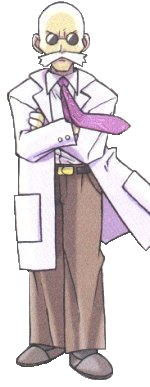
Seafoam Islands Gym: Blaine
Blaine, the hot-headed quiz master, has lost his island – Cinnabar is a volcano’s ruin and his Gym is now a cave in the Seafoam Islands. Defeat Blaine with a single Water Pokémon or a trusty Ground Pokémon.
Team: Magcargo Lv. 45, Magmar Lv. 45, Rapidash Lv. 50
After the eruption that destroyed Cinnabar, Blaine fights from a small cave in the Seafoam Islands with just three Pokémon. Water and Ground moves are the answer, and Magcargo is four times weak to both. He gives no TM in Generation II.


Viridian Gym: Blue
Blue, the rival of Red is at the Viridian Gym, he doesn’t specialise with any Pokémon type so just be ready for anything! Expect a strong, balanced team.
Team: Pidgeot Lv. 56, Alakazam Lv. 54, Rhydon Lv. 56, Gyarados Lv. 58, Exeggutor Lv. 58, Arcanine Lv. 58
Red’s old rival and the former Champion now runs the Viridian Gym, but you first find him on ruined Cinnabar Island before he returns. He has no type speciality, and his six-Pokémon team topping out at Lv. 58 is the strongest of any Gym Leader, so bring a varied team.
Kanto artwork: Ken Sugimori’s Red & Blue designs (Janine and Blue from the Gold & Silver set); small sprites are their Gold & Silver battle sprites.
The Elite Four & the Champion
Housed at the Indigo Plateau, the big four heavenly kings are waiting for any challengers who want to become the Pokémon Champion.
Will, Koga, Bruno, Karen and Champion Lance

Will, Master of Psychics
Will trained all around the world for many years and was finally accepted into the Elite Four. Will uses Psychic type Pokémon, he has a full variety of Pokémon so be ready for anything, all of them are dual typed so try to use Dark type Pokémon to your advantage. Specifically Will’s team comprises a Xatu Lv. 40, Exeggutor Lv. 41, Slowbro Lv. 41, Jynx Lv. 41 and a Xatu Lv. 42.
One of two new members, Will is a masked Psychic specialist who trained around the world to earn his place. All five Pokémon have two types, but each is part Psychic, so Dark, Bug and Ghost moves are dependable. Watch for Jynx’s Lovely Kiss and Xatu’s Future Sight.

Koga, Master of Tricks
Koga used to be the leader of the Fuchsia Gym, leaving his clan he pursues his dream to be a Pokémon master and finally becomes an Elite Four member. Koga takes his part using not only Poison type Pokémon but also uses Pokémon with strategies to weaken your Pokémon for the next battles. Make sure to bring a Ghost Pokémon so Koga can miss with his Explosion strategy. Koga’s Team: Ariados Lv. 40, Venomoth Lv. 41, Forretress Lv. 43, Muk Lv. 42 and Crobat Lv. 44.
The former Fuchsia Gym Leader has moved up to the Elite Four and fights dirty, using Spider Web with Baton Pass, Spikes, Toxic, Minimize and Double Team. Forretress can use Explosion, which Ghost types are immune to. Fire handles Forretress and both Bug types; Psychic hits Muk and Crobat.

Bruno, Martial Master
Bruno has always wanted to fight the very best, used to be the second in line on the Elite Four and then ranked up, now he is the third in line to face. All his Pokémon are Fighting Pokémon but an Onix, not hard to deal with but it may be troublesome if you don’t have a decent Psychic type on your team. Bruno’s Team contains an impressive lineup of Hitmontop Lv. 42, Hitmonlee Lv. 42, Hitmonchan Lv. 42, Onix Lv. 43 and Machamp Lv. 46.
Bruno has moved from second to third in the order and now leads with Hitmontop. Everything but Onix is a pure Fighting type, so Psychic and Flying moves work, with Water or Grass for Onix. Hitmonchan’s three elemental punches cover a lot.


Karen, Master of Darkness
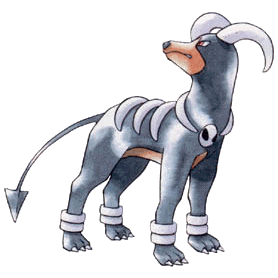
“Strong Pokémon, weak Pokémon. That is only the selfish perception of people.” Karen has a set of Dark-themed Pokémon, including a Vileplume which is not a Dark type. Just make sure to have Full Restores for all your Pokémon. Karen commands the following: Umbreon Lv. 42, Vileplume Lv. 42, Gengar Lv. 45, Murkrow Lv. 44 and Houndoom Lv. 47.
The other new member, Karen specialises in Dark types and believes trainers should win with the Pokémon they love. Vileplume and Gengar are not Dark types. Fighting moves crush Umbreon and Houndoom, while Gengar’s Destiny Bond and Umbreon’s Mean Look call for care.
Lance, Champion, Dragonmaster
Lance has returned, he has a GameShark and he is not afraid to use it. You will be surprised to find an Aerodactyl with Rock Slide. Just fight your best with Ice Pokémon and you will be alright. Specifically his full team includes: Gyarados Lv. 44, Dragonite Lv. 47, Charizard Lv. 46, Aerodactyl Lv. 46, Dragonite Lv. 47 and Dragonite Lv. 50 – ouch.
Every member knows Hyper Beam. Ice moves are four times effective against each Dragonite and super-effective against Aerodactyl. Electric moves are four times effective against Gyarados and super-effective against Charizard, and Rock moves hit Charizard four times as hard. His Aerodactyl knows Rock Slide, which it can’t learn legally in Generation II, and all his Dragonite are below Dragonair’s evolution level of 55.
Glitches, exploits and oddities
Gold and Silver’s bugs are quieter than MissingNo. but just as useful to the people who hunt them: a translation slip that lets you run your own code, a cloning trick every playground knew, and a handful of Kurt’s balls that never worked.
Coin Case glitch / arbitrary code execution (English Gold and Silver)
Because of a translation error, the message shown when you use the Coin Case isn’t ended properly, so the game jumps into the part of memory that holds the data for Pokémon cries. What happens depends on the last cry you heard. Some cries tint the screen into the so-called Glitch Dimension, while others give silhouette ‘shadow puppet’ screens, garbled text or a white-screen crash. With careful setup (party order, chosen PC box names and Pokémon used as code) it becomes arbitrary code execution, letting players change their lead Pokémon’s species or make it shiny, and even run leftover code for an unused memory game. The best-known example uses Machop’s cry in Vermilion City. The bug comes from the English translation; Japanese copies are not affected. Save before trying it.
Cloning glitch (save interruption) and ‘bad clones’
You can duplicate Pokémon in Gold and Silver by interrupting a save. Deposit the Pokémon you want to copy, choose to change PC boxes (which forces a save), and switch the power off in the short window after the box appears but before the ‘A’ of ‘SAVING’ shows. Done right, the Pokémon ends up in both the party and the box, up to five at once, and any item it holds is copied too, which made the trick popular for duplicating Master Balls and Rare Candies. Mistimed attempts risk a ‘bad clone’: a nameless Lv. 0 ‘?????’ whose Eggs hatch into more ‘?????’. Bad clones are most likely with 15 to 18 Pokémon in the box, can’t be deposited or released normally, and can damage other data. On the 3DS Virtual Console, cloning can corrupt Box 1, which Poké Transporter uses.
Celebi Egg glitch
Gold, Silver and Crystal share a bad-clone exploit that makes a Celebi Egg. You breed two Sneasel of Lv. 57 or higher that know the same four moves, with Beat Up third, then combine a bad clone and five other Pokémon with a precise sequence of PC and Day Care moves. The Egg’s species comes from the index number of its third move. Beat Up and Celebi are both number 251, so it hatches into a Lv. 0 Celebi, which has to be raised to Lv. 2 at the Day Care before it behaves normally. Other moves give other species (Psychic gives Gengar, Splash gives Mewtwo), and the fourth move’s index decides a held item. The process can scramble names, moves and save data, so it carries real risk.
Status conditions don’t help catching (except sleep and freeze)
The Generation II catch formula is meant to add a bonus of 10 for a sleeping or frozen target and 5 for one that is paralysed, poisoned or burned. A programming slip skips the second check, so paralysis, poison and burns give no help at all, while sleep and freeze still give their full bonus. This is why Gold and Silver veterans swear by Hypnosis, Sleep Powder and Spore rather than Thunder Wave. Generation III rebuilt the formula and gave the other statuses a working bonus.
Apricorn ball bugs: Love Ball, Moon Ball and Fast Ball
Several of Kurt’s balls don’t work as intended. The Love Ball should give an 8× catch rate against a wild Pokémon of the same species and the opposite gender to your own, but it actually works on the same species and the same gender. The Moon Ball should favour Pokémon that evolve with a Moon Stone, but because of a glitch it always acts as a 1× ball. The Fast Ball is meant for Pokémon that tend to run away, but because of a glitch it only boosts Magnemite, Grimer and Tangela. Many Apricorn balls didn’t work properly until Generation IV fixed them.
Glacier Badge Special Defence bug
In Generation II, badges give a 12.5% stat boost in single-player battles. Pryce’s Glacier Badge is supposed to raise both Special Attack and Special Defence, but the Special Defence boost only works if the Pokémon’s Special Attack, before the boost, is between 206 and 432 or is 661 or higher. For many Pokémon you use in the story, especially around the time you earn the badge, only the Special Attack boost actually applies. It is a neat example of how small calculation slips in Gold and Silver can quietly change battles without players noticing.
Time Capsule exploit and the trade-evolution move glitch
The Time Capsule is meant to block anything Generation I can’t handle, such as Johto species and new moves, from crossing back. An exploit gets around those checks. A related trick uses trade evolution. Send a Generation I Pokémon that evolves by trade, such as a Lv. 34 Graveler, to Gold or Silver, where it evolves into Golem and immediately learns Rollout, a move Generation I doesn’t have. Trade it straight back and Red or Blue shows the move as a glitch move, appearing as ‘TM05’.
Smaller quirks: Cerulean Gym fishing, Day Care experience loss and more
A few smaller bugs round out the list. Water tiles inside Misty’s Cerulean Gym still have wild-encounter data left over from Red and Blue, so you can fish there for Pokémon that don’t normally appear. It happens in every language of Gold and Silver and was fixed in Crystal. Taking a Pokémon out of the Day Care resets its experience to the minimum for its level, so it can lose points; One example is a Lv. 99 Celebi losing 32,756. After riding the S.S. Aqua, Teleport sends you to the Olivine or Vermilion Pokémon Center rather than the last one you used. Playing Entei’s cry in the Pokédex and then switching to Raikou or Suicune can distort their cries.
Videos & media
Check out these videos relating to Pokémon Gold and Silver versions. The videos include TV Commercials, Trailers and more.
The official trailer for Pokémon Gold & Silver’s re-release on Nintendo 3DS Virtual Console.
A TV Commercial for Pokémon Gold, Silver and Pokémon Stadium 2.
A TV Commercial for Pokémon Gold & Silver aired in the USA.
A TV Commercial for Pokémon Gold & Silver themed toys and figures by Hasbro.
Trivia & facts
- You can’t get a Generation 2 Pokémon from in-game trades. So if you need one of those you’ll have to find a friend.
- Unlike Generation 1, Gold and Silver use Legendary Pokémon as their mascots, another staple of the series.
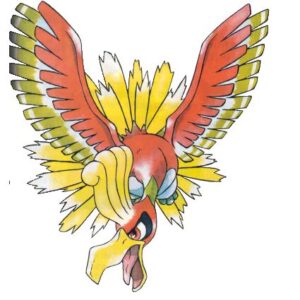
Ho-Oh, Gold’s mascot, in Ken Sugimori’s artwork. 
Lugia, Silver’s mascot. - If you feel the song on the bicycle is familiar it’s because it’s the Goldenrod City theme sped up with different instruments.
- Don’t bother paralysing, burning or poisoning wild Pokémon to catch them easier, there’s a glitch in the game which doesn’t let this happen – sleep and freeze still work, though.
- Lance is a cheater, his Aerodactyl knows Rock Slide, they can’t learn Rock Slide!
Lance: six Hyper Beams and a suspicious Aerodactyl. - Also, he has a level 47 and 50 Dragonite, which is impossible as Dragonair evolves at level 55.
- Love Balls are pretty interesting, because there is a glitch that raises catch rate to 8x if you are trying to catch a Pokémon of the same species and gender as the one you have in your party, ahead of its time huh?
- Pokémon GS were planned as the last Pokémon games!
- Whitney’s gym is shaped like a Clefairy.
- Red and Blue were never released in Korea, but the Korean version of Pokémon GS still includes the Time Capsule.
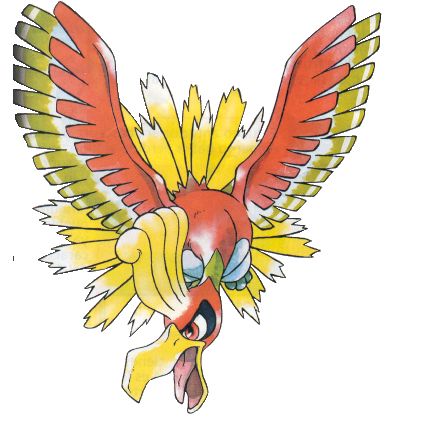
Further trivia
- Gold and Silver use different front sprites for most Pokémon; only a handful, including Bayleef, Spinarak, Ariados, Unown, Sneasel, Swinub and the three legendary beasts, share the same art in both versions
- They are the only versions where the wild battle music changes between day and night
- The Teddiursa/Ursaring and Phanpy/Donphan lines swapped versions between the Japanese and Korean releases and the Western ones, and the remakes did not keep the swap
- Across the 16 Gyms, 15 different types have a specialist leader, the most of any games alongside the remakes; with Karen covering Dark, Ground is the only type that no major trainer specialises in
- A February 1999 FAQ said there were no plans for an American release
- The 3DS Virtual Console release swapped the Japanese version’s original Jynx sprite for the recoloured one used in the West
- Gold and Silver are the last Game Boy Pokémon games that also work on the models before the Game Boy Color
- The rival is listed as ‘???’ in your first battle; his name is whatever you give the police officer after the theft at Elm’s lab, and it shows from the second battle on
Legacy
Third version, sequel console and remakes
- Pokémon Crystal – 14 December 2000. The enhanced third version: a girl to play as, animated sprites, the Battle Tower, the Suicune story and the GS Ball Celebi event (Japan only at the time). The West got it on 29 July 2001 (North America) and 1 November 2001 (Europe).
- Pokémon Stadium 2 (Nintendo 64) – 14 December 2000. Gold & Silver in 3D: Transfer Pak battles, the GB Tower, box storage and a daily Mystery Gift. North America 26 March 2001, Europe 10 October 2001.
- HeartGold & SoulSilver (Nintendo DS) – 12 September 2009. The remakes, with the Pokéwalker, a following Pokémon for every species, named Rocket executives and Silver confirmed as Giovanni’s son. Europe and North America followed in March 2010.
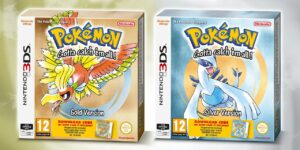 Nintendo 3DS Virtual Console – 22 September 2017. Released worldwide on the same day. 3DS wireless replaces the Link Cable, infrared Mystery Gift still works, the Printer is disabled and Poké Transporter sends Pokémon on to Pokémon Bank. Sold until the eShop closed on 27 March 2023; Celebi came only through Crystal’s Virtual Console release (26 January 2018).
Where to play Gold & Silver today
As of October 2026 Gold and Silver are not sold new anywhere. The 3DS Virtual Console versions left sale when the eShop closed on 27 March 2023, nothing has been announced for the Switch or Switch Online, and the Generation III remakes’ arrival on Switch in February 2026 (FireRed & LeafGreen, sold separately) has not yet been followed by a Johto release. That leaves an original cartridge – check the save battery, which keeps the clock running and dies after twenty-odd years – a 3DS that already has the download, or the DS remakes HeartGold & SoulSilver.
How it was made
Game Freak began work on a sequel soon after Red and Green came out in Japan, and showed it at Nintendo’s Space World exhibition in November 1997. It had been announced as Pocket Monsters 2 with the subtitle Gold & Silver; the ‘2’ was dropped at the show, and a March 1998 release was planned. It slipped badly. Nintendo publicly apologised, saying the exhausted team wanted more time to expand and improve the games. Game Freak’s work on Pokémon Stadium and on translating the first games also took time, so Pokémon Yellow filled the original release slot. Programmer Shigeki Morimoto later said development took three and a half years with only four programmers. The finished games were designed for the Game Boy Color’s colours while still running on older models. Satoru Iwata, then president of HAL Laboratory, built new compression tools for the graphics. Junichi Masuda wrote the music on an Amiga. Producer Tsunekazu Ishihara believed this might be his last Pokémon project. In May 2018 the 1997 Space World demo leaked online, revealing a larger map and about 100 unused or changed Pokémon designs.
Gold & Silver in other media
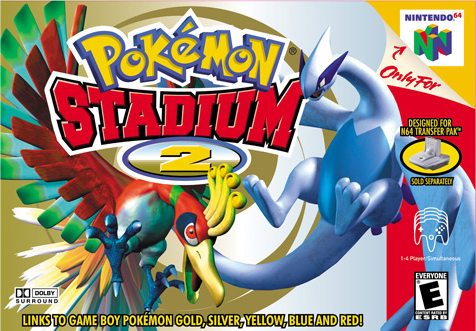
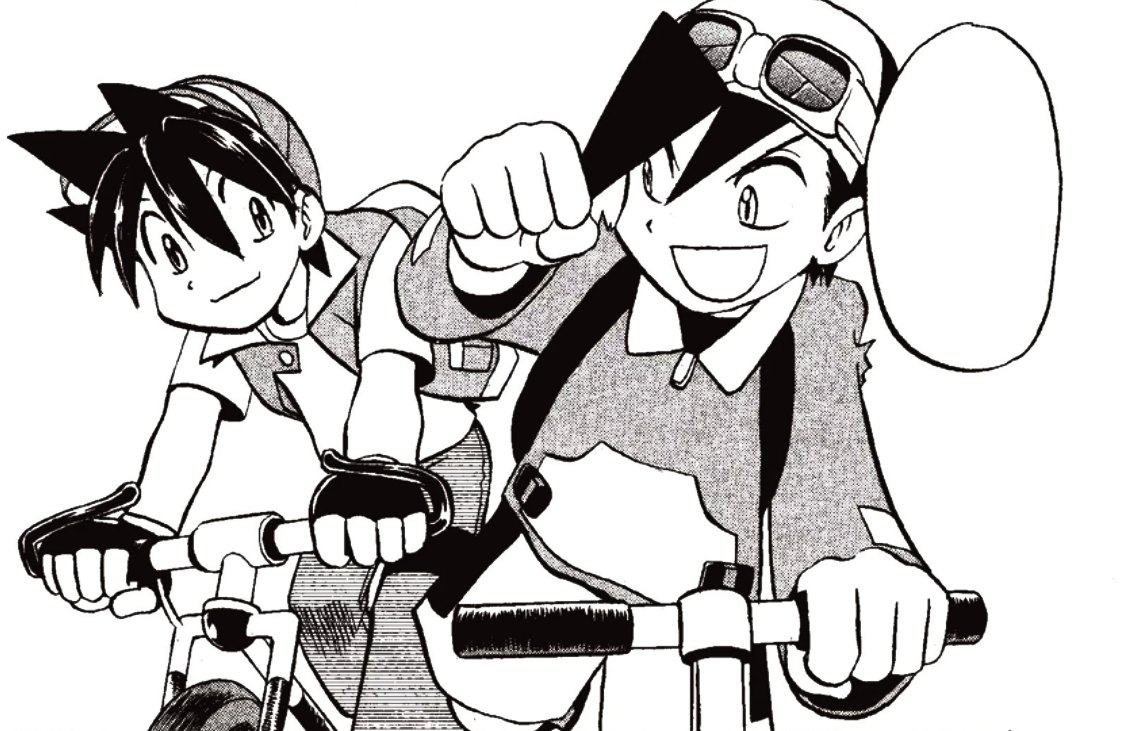


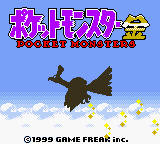


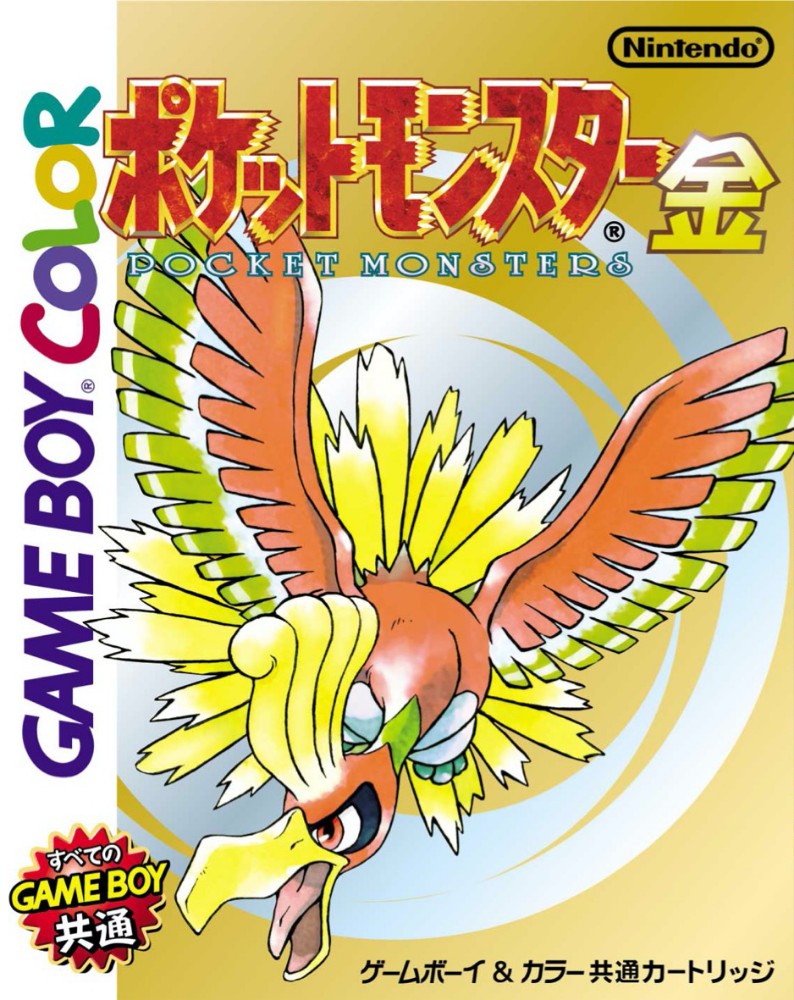

Sales & reviews
Sales figures
Pokémon Gold and Silver got 600,000 pre-orders in the first two months. Nintendo planned a first shipment of 3 million copies in Japan (and then had to halve it when cartridge production was hit), and by 2010 they had sold a combined 23 million units.
The numbers behind that: 1,425,768 copies sold in Japan on day one and about 6.5 million there by April 2000, with Silver (3.56 million) edging Gold (3.44 million) over the cartridges’ lifetime. In North America roughly a million were pre-sold three weeks before launch, 1.4 million went in the first week – more than double Yellow’s start – and 2.9 million within a few weeks. The accepted 23.10 million makes the pair the fourth best-selling Pokémon games of all.
- 23.1mworldwide, Gold and Silver combined
- 1.43mJapan, first day on sale
- 7.0mJapan lifetime (Silver 3.56m, Gold 3.44m)
- 1.4mUnited States, first week
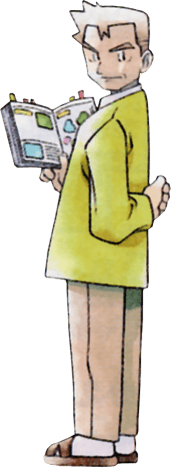
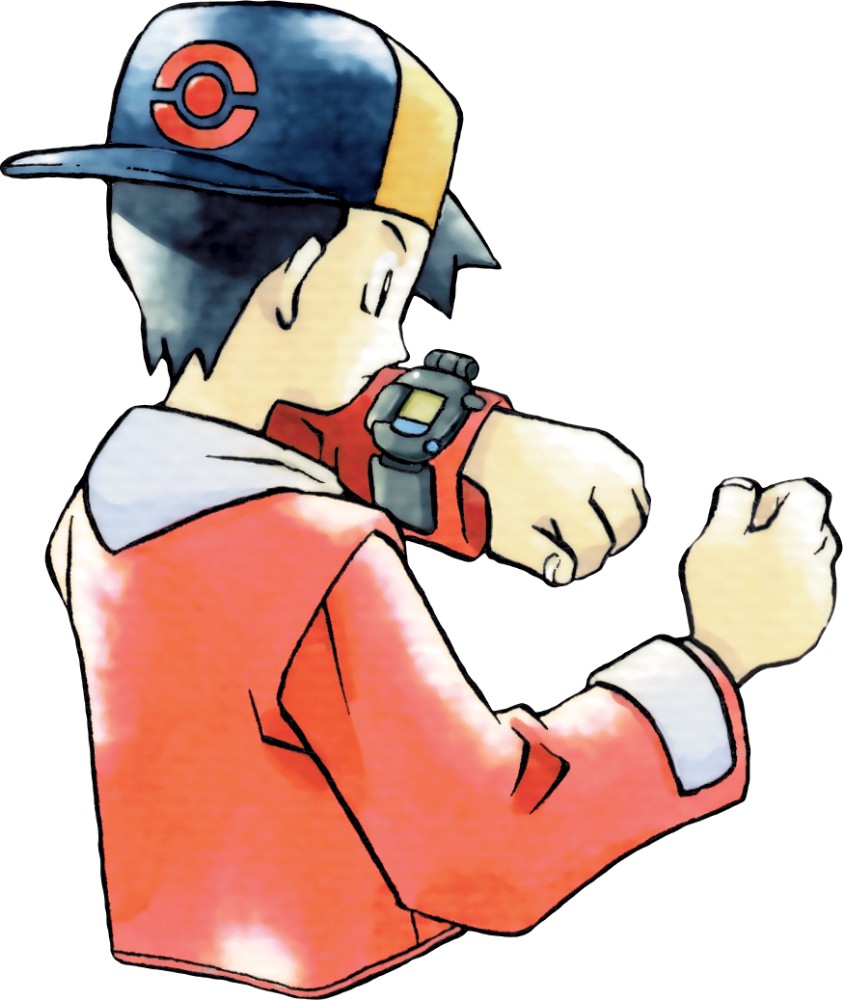
Review scores
Pokémania was in full swing when Gold and Silver landed, and perhaps this is reflected in the strong review scores that the games received. Check out what some of the major review sites had to say below:
- IGN’s Craig Harris gave the games a 10/10 Masterpiece rating and commented “The next generation of Pokemon is finally here in the states, and boy, was it worth the wait.“
- GameRankings’ aggregate scoring was an impressive 91.35% over 23 reviews for Silver (Gold sat on 89.56%).
- Nintendo Power scored the games an impressive 8.7 out of 10.
- GameSpot’s Frank Provo scored the game an 8.8/10 and commented “You really can’t go wrong with 251 monsters, two main adventures, countless side quests, and a baseline of 60 hours of gameplay.“
Critics in 2000 saw Gold and Silver as that rare thing, a sequel that improved on a phenomenon without watering it down. IGN’s Craig Harris gave them a perfect score and the label of a masterpiece. GameSpot’s Frank Provo praised the real-time clock and the sheer amount to do, from 251 Pokémon to two full regions, and gave them 8.8. Nintendo Power scored them 8.7 and later ranked them together as the sixth-best game on Game Boy and Game Boy Color. The day and night cycle, breeding and the surprise return to Kanto were the most praised additions. In the years since, outlets including Inverse, GamesBeat and Game Rant have counted the pair among the best Pokémon games, often as the very best, and they regularly appear in lists of the greatest video games ever made.
Awards and honours:
Media & artwork
- Official Artwork Gallery from Pokémon Gold & Silver – A large gallery featuring many of the Pokémon from the game
- Official Artwork Gallery from Pokémon Gold & Silver – Characters, places and supporting art
- Box Art from Pokémon Gold including numerous regional variations + editions
- Box Art from Pokémon Silver including numerous regional variations + editions
- Screenshots from Pokémon Gold Version
- Screenshots from Pokémon Silver Version
Further reading
Need the full lists? Every item, TM and HM for Gold, Silver and Crystal has a page of its own in The Library, along with a guide to the happiness system the games introduced, and the games either side of this one: