  |
|
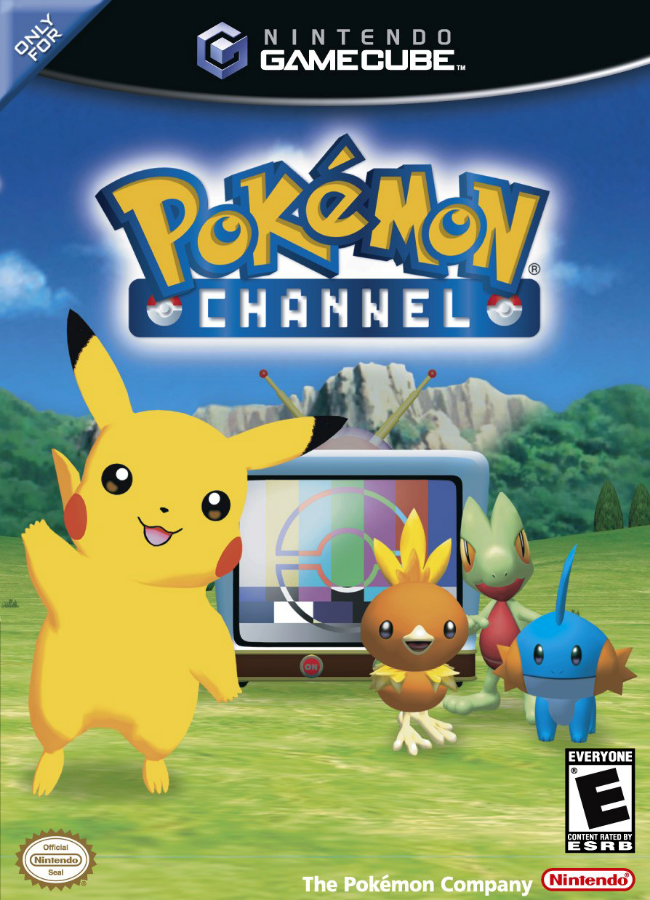
| Titles | Pokémon Channel ポケモンチャンネル ~ピカチュウといっしょ!~ (Pokémon Channel: Pikachu to Issho!) |
| Platform | Nintendo GameCube |
| Developer | Ambrella |
| Publisher | Nintendo (The Pokémon Company in Japan) |
| Directors | Muneaki Ozawa · Norio Matsumura |
| Music | Miki Obata (sound) · Hirokazu Tanaka (music producer) |
| Players | Single player |
| Genre | Virtual pet, simulation and adventure |
| Channels | 13, plus four bonus channels on the Japanese Program Expansion Disc |
| Released | 18 July 2003 (Japan) · 1 December 2003 (North America) · 1 April 2004 (Australia) · 2 April 2004 (Europe) |
| Re-releases | None – not on Virtual Console or Nintendo Switch Online (October 2026) |
| Rating | ESRB E · PEGI 3+ · CERO All ages · OFLC G |
| Predecessor | Hey You, Pikachu! (Nintendo 64, spiritual predecessor) |
| Sales | About 0.38 million worldwide (estimate); 66,373 in Japan in 2003 |
Overview
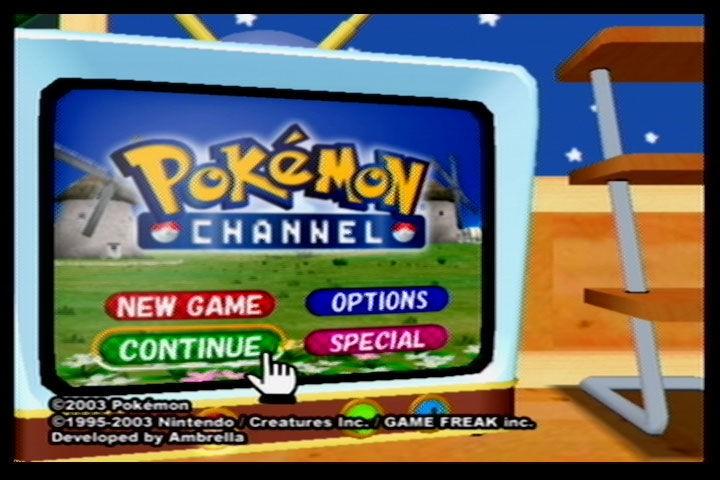 Pokémon Channel is the spiritual successor of Hey You, Pikachu!, released on the GameCube with light support for the Nintendo e-Reader accessory. It is a cross-genre game, since it combines the simulation, digital pet and adventure genres. The game revolves primarily around helping Professor Oak with his Pokémon TV programmes by watching the TV channels with Pikachu and exploring some featured areas of Mintale Town, all while interacting with the Pokémon present there.
Compared to its predecessor, the graphics have hugely improved, with a more detailed 3D environment, Pokémon models and animations. The sound has also progressed compared to Hey You, Pikachu!, with the Pokémon actually saying their names, just like in the anime series, along with the introduction of several new music themes. The game makes use of an in-game clock system that tracks real time, making a day in the game last as long as one in real life. Finishing the story takes six in-game days, as it asks the player to return the next day, each time, to unlock a new TV channel and a new task.
Professor Oak needs your help! Pokémon Channel is a TV-broadcasting network that airs a variety of Pokémon programs, and he’s selected YOU as the initial test audience! With the help of Pikachu and other Pokémon, you can make Pokémon channel the highest rated channel on TV!
- Pokémon News Flash – Watch Psyduck deliver the news while Meowth reports on-location. Pay close attention for hints on where to meet Pokémon.
- Featuring an all-new animation: Pichu Bros. in Party Panic! exclusively for Pokémon Channel!
- Smeargle’s Art Study – Paint your favorite scenes and have them evaluated by Smeargle!
- Shop ‘N Squirtle – Use purchase points to buy items for your room and make it more Pikachu friendly!
- Play with Pikachu outside and meet many different Pokémon!
- Pokémon mini – Play a virtual version of Pokémon mini and select from a variety of mini game titles!
— Official description
Quick Answers
The questions people ask about Pokémon Channel, answered first and explained further down the page.
How long does it take to finish Pokémon Channel?
The story runs over six in-game days tied to the GameCube’s real-time clock, with new programmes arriving each morning. The credits roll on the sixth night, after the Star Projector screening at Camp Starlight. Free play carries on afterwards, and changing the console’s date and time lets impatient players skip ahead a day at a time. More →

How do you get Jirachi from Pokémon Channel?
Only European and Australian copies offer it. Finish the story so the full Pichu Bros. in Party Panic is unlocked, then choose the Jirachi option on the title-screen menu and connect Pokémon Ruby or Sapphire with a GameCube–Game Boy Advance cable. The cartridge must have entered the Hall of Fame and needs a free party slot. More →
How many Nice Cards are there, and what do you get for all of them?
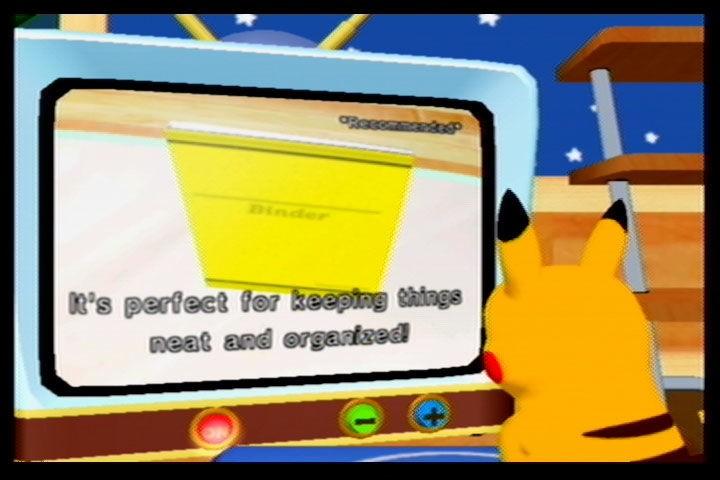
There are 101 main Nice Cards, each in Single, Motion or Platinum form, though any form counts towards the total. Binder upgrades come at 25 and 50 cards. Completing all 101 earns nine special Pikachu cards and puts the Pikachu TV on sale at Shop ‘N Squirtle for 500 Poké. More →
Which Pokémon mini games can you play in Pokémon Channel?
Pikachu finds a virtual Pokémon mini under the bed with Snorlax’s Lunch Time built in. Further games cost 38 Poké each from Shop ‘N Squirtle. Western copies offer six games in total, including Pikachu’s Rocket Start; the Japanese version has ten, adding cut-down versions of Japan-only cartridges such as Pichu Bros. mini and Togepi’s Great Adventure. More →
What does the e-Reader do in Pokémon Channel?
Very little. Early North American, Japanese and Australian copies included three e-Reader cards that add line-art pictures and paint patterns to the Smeargle painting tool. Scanning them needs a Game Boy Advance, an e-Reader and a GameCube–Game Boy Advance cable. European copies shipped without cards, and later printings elsewhere dropped them. More →
Can you play Pokémon Channel on Nintendo Switch?
No. Pokémon Channel has never been re-released, so it is not part of Nintendo Switch Online, the GameCube library on Nintendo Switch 2 or any digital store. Playing it today means an original disc on a GameCube or a backwards-compatible Wii, and the Jirachi and e-Reader extras also need Game Boy Advance hardware. More →
Plot / Story
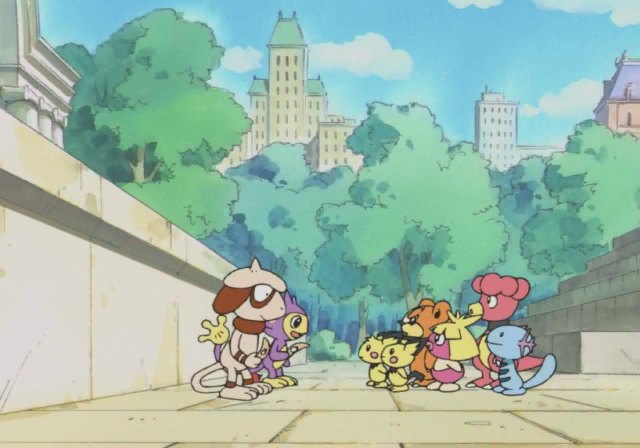
Day one: The game starts out with Professor Oak sending the player a TV set, transported by a group of Magnemite. Upon turning it on, Professor Oak appears on the screen and asks the player for help. It seems he’s developing TV channels for Pokémon Trainers and their Pokémon, with a variety of enjoyable programmes. He requires that the player watches the programmes and reports on the Report Channel. The first programme the player is asked to watch is Pichu Bros. in Party Panic. After watching the animation and reporting as requested, some strange sounds are heard outside. The player investigates them and finds a Pikachu, a Mudkip, a Treecko and a Torchic. The Pokémon run away when the player appears, except Pikachu, who decides to enter the player’s room.
Professor Oak expresses his fascination with Pikachu’s curiosity and asks the player to take care of it, making it the second tester for his TV channels. The player can now choose to go outside and do a few tasks. Different Pokémon can be found in the surrounding areas, depending on what time it is. Moreover, successfully interacting with the Pokémon, by giving the correct answers to their questions, rewards Pikachu and the player with Nice Cards. If the player leaves through the back door, they’ll go to the backyard of the house, where they’ll notice a nearby area called Springleaf Field, which they can visit with Pikachu. Springleaf Field is decorated with clovers and windmills and contains a strange hole. Upon investigating the hole, Pikachu will find a beach ball and use it to play around. As for going out of the front door, it will take the player to the bus station, from which they can visit several locations. After leaving and returning inside, Professor Oak will notice how well Pikachu was acting. Pikachu gets too excited and electrifies the TV set. Professor Oak has Magnemite deliver a Retro TV to the player’s house, which they will use until the modern one is fixed. On the Retro TV set, all shows are displayed in black and white.
Day two: The new TV is delivered, as promised, and Professor Oak announces that the channels are getting popular. Pichu Bros. Part 2, Slowpoke’s Weather Report and Smeargle’s Art Study are the newly unlocked programmes. The Viridian Pass will be on sale on Shop ‘N Squirtle, along with a new mini game. Buying the pass allows the use of the bus station to travel to the Viridian Forest straight away, where Pikachu can join a funny concert or eat the different mushrooms available there. After watching the TV channels, the player can decide what to do for the rest of the day, including just saving and waiting for the next day.
Day three: Pichu Bros. Part 3, Eggzamination and Chansey’s Fortune Cookie are unlocked. Shop ‘N Squirtle will be selling the Snowfall Pass, which allows the player to visit Mt. Snowfall through the bus station. Delibird will deliver anything else the player ordered the day before. A few enjoyable activities can be done on Mt. Snowfall, such as watching a Pokémon concert and building snowmen.
Day four: Pichu Bros. Part 4, Odd One Out, Mareep Farm and Chum Chum Ranking are available. Shop ‘N Squirtle will be putting the Cobalt Pass on sale. Pikachu seems to have invited some of his Pokémon friends to hang out at the player’s house. Pikachu and the player can visit the Cobalt Coast after buying the pass, which lets Pikachu enjoy a lot of fun activities like interacting with other Pokémon, playing tic-tac-toe or even fishing.
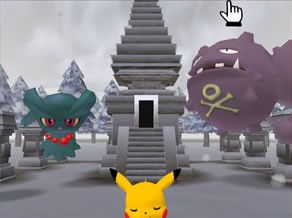
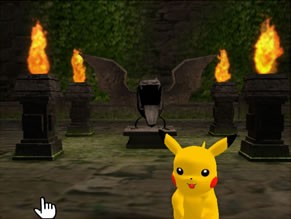
Day five: Pichu Bros. Part 5 doesn’t get aired. Upon watching Pokémon News Flash, the player learns that the Magnemite transporting the Pichu Bros. Part 5 episode’s disc dropped it somewhere on Mt. Snowfall. Both Pikachu and the player head to Mt. Snowfall, after obtaining a lamp from a Duskull they encounter (in return for fetching its lost ball from the hole in Springleaf Field). There, they discover the Ruins of Truth, guarded by a Gengar that will be scared away by the lamp. Within the ruins, Pikachu can use ThunderShock on some strange flowers to illuminate the area. A Golbat statue is then found, and Pikachu tries to look inside it but gets stuck. Once the player gets Pikachu out of the statue, it will have the lost episode’s disc with it, which can be delivered to the Magnemite waiting in front of the ruins.
Day six: Once the mission is completed, they can return home to watch the episode and Meowth’s Party. Professor Oak announces that all the programmes were successfully aired, thanks both the player and Pikachu for their help and promises them a gift: a Star Projector, which arrives on day six and can project images into the sky. At night, a Jirachi visits the room and takes the player and Pikachu to Camp Starlight, where the Star Projector is set up. There, they use it to project all the episodes of the Pichu Bros. series. The credits then come up, as the game is now finished.
Region / Setting
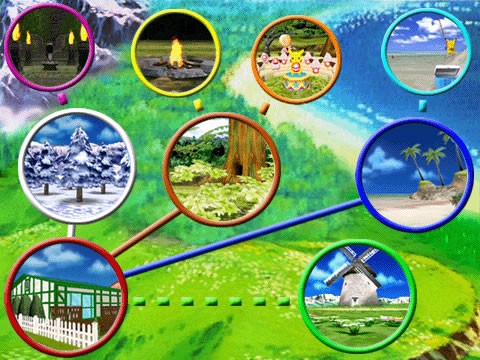
The game is presumed to take place in the Kanto region, mainly in Mintale Town, a strange town where wild Pokémon roam freely. Although Professor Oak and the player are the only humans shown to inhabit the area, the different buildings and the bus station are signs that there are other humans living there too. Mintale Town is composed of four different locations that the player has access to during the game:
- Springleaf Field: A grassy field full of clovers and containing three windmills.
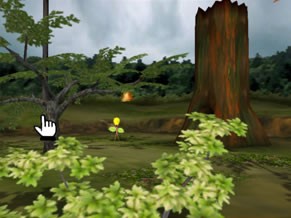
- Viridian Forest: A thick forest with many large trees and mushrooms spread everywhere; Camp Starlight is hidden inside it.
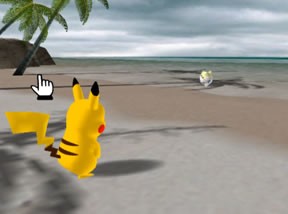
- Cobalt Coast: A vast beach area, with the Secret Cove tucked away along it.
- Mt. Snowfall: A snowy mountain that is also home to the Ruins of Truth.

Characters
Within the game, there are only two human characters:
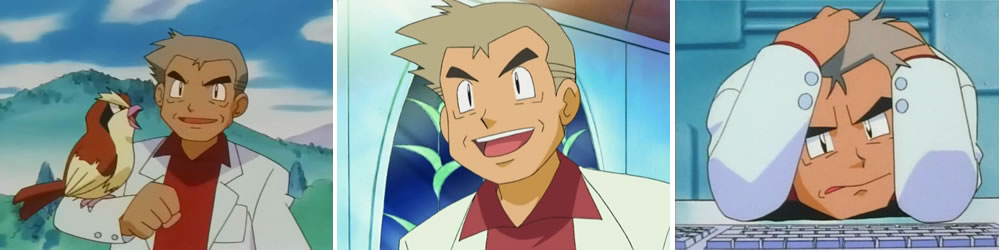
Professor Oak: A very famous Pokémon Professor, featured in most Pokémon games and the anime series. He studies the relationship between Pokémon and their Trainers. Professor Oak has a research lab in the Kanto region, where he conducts most of his work. In Pokémon Channel, he is starting his own TV network, featuring a variety of channels that target Pokémon Trainers and their Pokémon as the main audience. He asks the player and Pikachu to help him test the channels by watching and reporting on them.
The player: One of the inhabitants of Mintale Town, who’s the lucky first tester selected for Professor Oak’s TV programmes. Throughout the game they befriend Pikachu, with whom they watch the TV network and visit several locations.
The Pokémon cast
- Pikachu: A curious wild Pikachu that wanders into the house on the first day and stays. It watches television beside the player, rides the bus to every area, chats with other Pokémon to win Nice Cards and solves the Ruins of Truth puzzle with ThunderShock. It is voiced by Ikue Ōtani, Pikachu’s voice in the anime, and can be nicknamed once it trusts the player.
- Pichu Bros.: Pichu Big and Pichu Little lead their friends Smoochum, Teddiursa, Magby and Wooper on a five-part chase after the invitations to Meowth’s party in Big Town. Several of the gang turn up at Camp Starlight on different nights of the week, and the Japan-only Pichu Bros. mini cartridge supplies three of the Japanese version’s Pokémon mini games.
- Spencer: A Squirtle in glasses who fronts the home-shopping channel, pitching Nice Card packs, dolls, televisions, furniture, bus passes and Pokémon mini games. His glasses hide his eyes completely; the model has eyes underneath, but they are never visible in play. Most orders placed with him arrive with Delibird the next morning.
- Psyduck: Psyduck reads the bulletins on Pokémon News Flash, the channel that tips players off about rare visitors and mysterious crates. Its slightly hapless delivery is part of the fun, but the news drives some of the game’s key moments, including the fifth-day report that the final Pichu Bros. disc has gone missing on Mt. Snowfall.
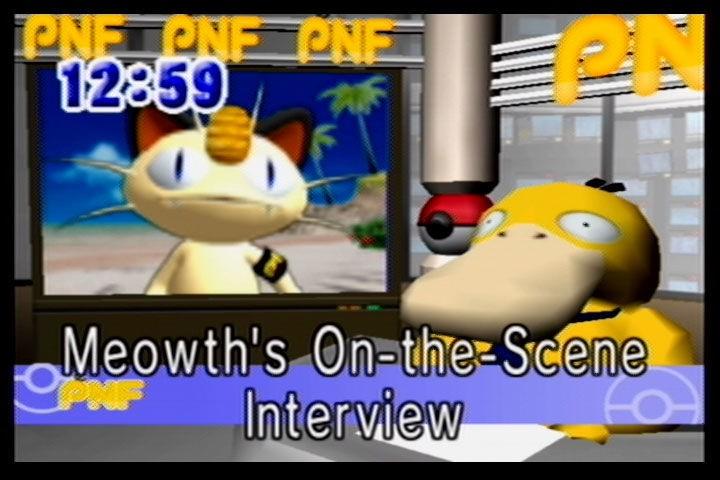
- Meowth: Team Rocket’s Meowth has two jobs. On Pokémon News Flash it reports live from around Mintale Town, rarely without mishap. In Pichu Bros. in Party Panic it organises the big party, debuting its band with the song Meowth’s Party before a late-firing fireworks display sends it flying. Maddie Blaustein provides the English voice.
- Roochu and Moochu: Twin Smoochum sisters with a show each. Roochu leads the Smoochum Shape-up exercise programme, while Moochu presents Chum Chum Ranking, which counts down top-five lists, asks Pokémon about their two favourite things and shows statistics about the player’s own habits.
- Wobbuffet: Wobbuffet runs Quiz Wobbuffet, firing questions at a panel of three Pokémon contestants. Between rounds the Present Quiz lets the player answer for a cash prize, and the quiz comes round again after further questions, making the show one of the steadier sources of Poké across the week.
- Delibird and Magnemite: Delibird drops off Shop ‘N Squirtle orders the morning after they are placed, while groups of Magnemite handle Professor Oak’s heavier deliveries, from the first television to the replacement set. Another Magnemite crew loses the final Pichu Bros. disc on Mt. Snowfall, and camera-carrying Magnemite film Pikachu on location for the news.
Pokémon
There are different Pokémon to encounter during the game, whether at the player’s house or in the available locations. Which Pokémon the player finds outside depends on the time of day and the weather. Pikachu can interact with these Pokémon and answer the questions they ask. If it answers correctly, Nice Cards may be rewarded. There are also a lot of Pokémon featured on TV.
The different times of the day:
- Morning: from 05:00 to 09:00
- Day: from 09:00 to 16:00
- Evening: from 16:00 to 19:00
- Night: from 19:00 to 05:00
For a start, the player can encounter Pikachu, Treecko, Mudkip and Torchic without leaving their room, but for some Pokémon you’ll have to get moving. Here’s where you can find each Pokémon in Pokémon Channel:
At the backyard of the house
| Time | Sunny | Cloudy | Rainy |
|---|---|---|---|
| Morning | Ledyba, Diglett | Magnemite, Diglett | Hoppip, Oddish |
| Day | Ledyba, Hoppip | Magnemite, Yanma | Hoppip, Oddish |
| Evening | Ledyba, Oddish | Magnemite, Yanma | Hoppip, Oddish |
| Night | Ledyba, Dugtrio | Magnemite, Dugtrio | Hoppip, Oddish |
At the bus station
| Time | Sunny | Cloudy | Rainy |
|---|---|---|---|
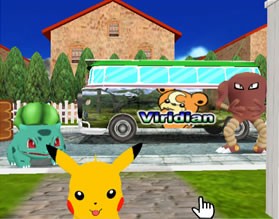
| Morning | Mr. Mime, Bulbasaur | Mr. Mime, Cyndaquil | Totodile, Hitmonlee |
| Day | Hitmonlee, Bulbasaur | Mr. Mime, Ditto | Totodile, Hitmonlee |
| Evening | Cyndaquil, Bulbasaur | Mr. Mime, Ditto | Totodile, Bulbasaur |
| Night | Cyndaquil, Ditto | Cyndaquil, Ditto | Totodile, Hitmonlee |
At Springleaf Field
| Time | Sunny | Cloudy | Rainy |
|---|---|---|---|
| Morning | Wynaut, Celebi, Bellossom | Wynaut, Torchic | Wynaut, Mudkip |
| Day | Torchic, Bellossom | Wynaut, Eevee, Treecko | Phanpy, Mudkip |
| Evening | Chikorita, Bellossom, Treecko | Chikorita, Torchic | Chikorita, Mudkip |
| Night | Duskull, Volbeat | Duskull, Phanpy | Mudkip, Volbeat |
At the Viridian Forest
| Time | Sunny | Cloudy | Rainy |
|---|---|---|---|
| Morning | Machop, Raichu | Geodude, Butterfree | Bellsprout, Exeggcute |
| Day | Pidgey, Gloom | Pidgey, Bellsprout | Bellsprout, Gloom |
| Evening | Raichu | Clefairy | Beedrill |
| Night | Clefairy, Caterpie | Clefairy, Butterfree | Gloom, Exeggcute |

At the beach on the Cobalt Coast
| Time | Sunny | Cloudy | Rainy |
|---|---|---|---|
| Morning | Azumarill, Lickitung | Latias, Natu | Azumarill, Azurill |
| Day | Togepi, Exeggutor | Togepi, Natu | Togepi, Azurill |
| Evening | Shuckle, Igglybuff | Natu, Igglybuff | Azurill, Igglybuff |
| Night | Latios, Girafarig | Shuckle, Girafarig | Lapras, Girafarig |
At the Secret Cove on the Cobalt Coast
| Time | Sunny | Cloudy | Rainy |
|---|---|---|---|
| Morning | Corsola | Cloyster | Marill |
| Day | Corsola | Cloyster | Marill |
| Evening | Corsola | Cloyster | Marill |
| Night | Lanturn | Lanturn | Lanturn |
At Mt. Snowfall
| Time | Sunny | Cloudy | Snow |
|---|---|---|---|
| Morning | Cleffa, Dunsparce, Jigglypuff | Aipom, Heracross, Jigglypuff | Aipom, Swinub, Jigglypuff |
| Day | Cleffa, Sunkern, Jigglypuff | Aipom, Sudowoodo, Jigglypuff | Swinub, Charmander, Jigglypuff |
| Evening | Cleffa, Kecleon, Charmander | Sudowoodo, Kecleon, Charmander | Swinub, Kecleon, Charmander |
| Night | Dunsparce, Espeon | Sudowoodo, Kecleon, Espeon | Swinub, Kecleon, Espeon |
At the exterior of the Ruins of Truth
| Time | Sunny | Cloudy | Snow |
|---|---|---|---|
| Morning | Voltorb, Zubat, Cubone | Voltorb, Zubat, Cubone | Voltorb, Zubat, Blaziken |
| Day | Koffing, Misdreavus, Cubone | Koffing, Misdreavus, Cubone | Koffing, Misdreavus, Weezing |
| Evening | Weezing, Vulpix, Crobat | Weezing, Gengar, Crobat | Vulpix, Gengar, Crobat |
| Night | Gengar, Vulpix, Hoothoot | Gengar, Vulpix, Koffing | Gengar, Hoothoot, Koffing |
Fishing in the Secret Cove: Poliwag, Shellder, Wailmer, Remoraid, Octillery, Horsea, Staryu, Starmie, Krabby, Goldeen and Magikarp can be caught there whatever the weather or time.


Inside the Ruins of Truth: Only one Pokémon is encountered, whatever the time or weather – Golbat.
At Camp Starlight: The Pokémon encountered here aren’t affected by the time of day, since the camp can only be visited at night, and they only appear when the weather is clear or cloudy. Mudkip, Torchic and Treecko are there every night, joined by a different Pokémon each day of the week:
| Sunday | Monday | Tuesday | Wednesday | Thursday | Friday | Saturday |
|---|---|---|---|---|---|---|
| Jirachi | Teddiursa | Magby | Wooper | Snorlax | Azumarill | Pichu |

Notable Pokémon
 Pikachu#025
 Jirachi#385
 Celebi#251
 Latias#380
 Latios#381
 Lapras#131
 Blaziken#257
 Golbat#042
 Duskull#355
 Snorlax#143
- Pikachu – The player’s companion throughout; nine special Pikachu Nice Cards reward a full collection.
- Jirachi – Leads the ending at Camp Starlight; transferable to Ruby and Sapphire in European and Australian copies.
- Celebi – Appears in Springleaf Field on clear mornings once it has been on Pokémon News Flash.
- Latias – Cobalt Coast beach on cloudy mornings, after a News Flash sighting.
- Latios – Cobalt Coast beach on clear nights, after a News Flash sighting.
- Lapras – Cobalt Coast beach on rainy nights, after a News Flash sighting.
- Blaziken – Outside the Ruins of Truth on snowy mornings, after a News Flash sighting.
- Golbat – The only Pokémon inside the Ruins of Truth; its statue hides the lost Pichu Bros. disc.
- Duskull – Gives Pikachu the lamp that scares the Gengar away from the Ruins of Truth.
- Snorlax – Star of the exclusive Pokémon mini game Snorlax’s Lunch Time; visits Camp Starlight on Thursdays.
Channels
Plenty of channels are available for the player and Pikachu to browse. Channels are unlocked each day as the game progresses.
- The Pichu Brothers: These feature the adventure of the Pichu Brothers and their friends and their quest to get an invitation to Meowth’s Party. There are different channels for each episode and one for the full version. There are also channels with foreign-language versions of the episodes.
- Prof. Oak Report: Here the player can save the game.
- Shop ‘N Squirtle: A channel that features a shop where a Squirtle named Spencer, wearing glasses, sells a wide range of items. Here the player can buy Nice Cards, mini games, room decorations and bus passes. Items are delivered the next day by Delibird, except for the passes, which are delivered instantaneously.

- Smoochum Shape-up: A fitness programme presented by a Smoochum named Roochu, who is the twin sister of Moochu.
- Chum Chum Ranking: A channel that announces the top five popular Pokémon or things, introduced by Moochu, twin sister of Roochu. Pokémon are also asked about their two favourite things, and the channel also displays different statistics about the player.
- Pokémon News Flash: A news show presented by Psyduck that reports the current news in the Pokémon world, with the help of Meowth, who interviews different Pokémon in different areas.

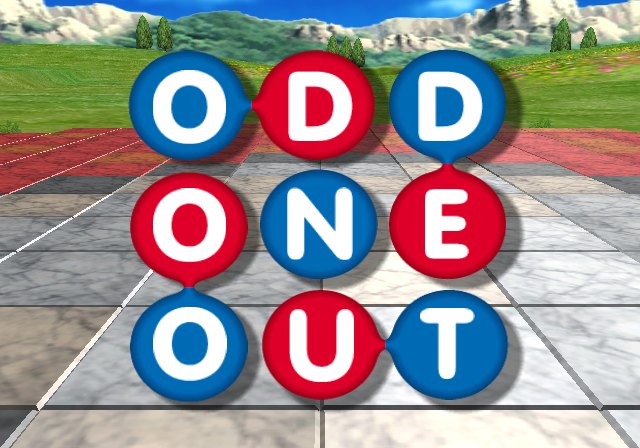
- Odd One Out: A channel where the player can bet whether the number of Oddish that come on the screen will be even or odd.
- Chansey’s Fortune Cookie: A fortune-telling channel, hosted by Chansey. Chansey offers five cookies with different messages. One message can be chosen daily.
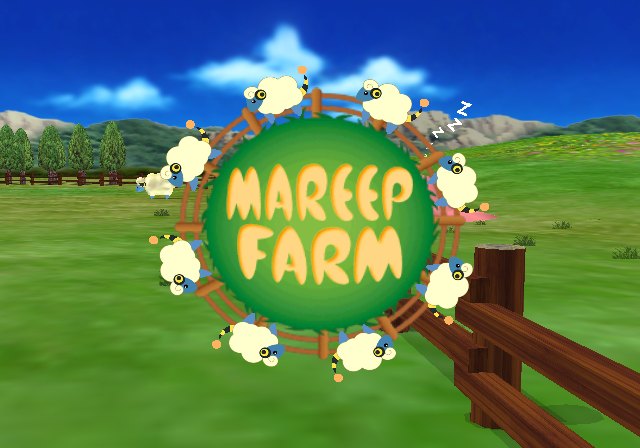
- Mareep Farm: A channel where a bunch of Mareep are counted as they jump over a fence. Watching them will make Pikachu sleepy.
- Slowpoke’s Weather Report: Slowpoke will be telling the specific weather in one of the regions. The current weather in that region will change to what Slowpoke actually announced. The weather affects the Pokémon available in the different areas, which makes this channel very important.
- Quiz Wobbuffet: Three Pokémon have to answer the different questions given by Wobbuffet, the host of the show. There’s a part where the player can participate and earn money.

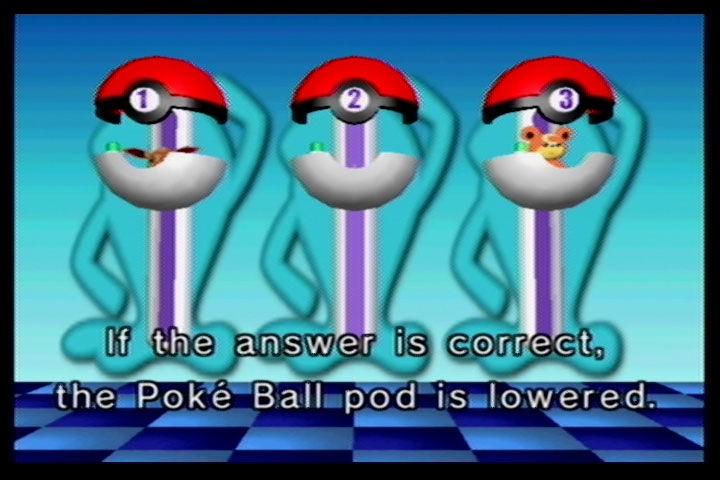
- Smeargle’s Art Study: The player’s picture is hung on the wall, and Smeargle, the host and an artist, rates it.
- Eggzamination: Hatch Up!: A channel where a Pokémon Egg is displayed and the player has to guess which Pokémon will come out of it. Guessing the right Pokémon earns the player money. The hatching process can take a long time – up to a whole day.
The other channels on screen







In depth: the fine print
Jirachi

The Mythical Pokémon Jirachi appears near the end of the game in the player’s room and visits Camp Starlight with the player and Pikachu. Jirachi can also be found at Camp Starlight on Sundays. In the European and Australian versions, this Pokémon can be transferred to Pokémon Ruby and Pokémon Sapphire.
To get it, finish the story so that the full Pichu Bros. film is unlocked, then link a Ruby or Sapphire cartridge that has entered the Hall of Fame and has a free party slot, using a GameCube–Game Boy Advance cable. Jirachi arrives at level 5 knowing Wish, Confusion and Rest, with the Original Trainer CHANNEL and ID 40122 – and thanks to a bug it can even be Shiny. The transfer also fixes Ruby and Sapphire’s Berry glitch. North American players got their Jirachi from the Pokémon Colosseum bonus disc instead.
Pokémon mini

There will come a time when Pikachu points under the player’s bed. If the player lets it investigate, it will find a console on which Pokémon mini games can be played. There’s a free mini game called Snorlax’s Lunch Time, in which the player has to feed Snorlax over and over. Other Pokémon mini games can be purchased from Shop ‘N Squirtle.
| Game | How to get it | Versions |
|---|---|---|
| Snorlax’s Lunch Time | Free; exclusive to Pokémon Channel | All |
| Slowking’s Judge | 38 Poké | All |
| Chansey’s Dribble | 38 Poké | All |
| Pokémon Pinball Petit | 38 Poké | All |
| Puzzle Collection Petit | 38 Poké | All |
| Pikachu’s Rocket Start | 38 Poké | International only |
| Pokémon Race Mini mini | 38 Poké | Japan only |
| Hoppip Jump | 38 Poké | Japan only |
| Skateboard Pichu | 38 Poké | Japan only |
| Magby Hot Air Balloon | 38 Poké | Japan only |
| Togepi’s Great Adventure Petit | 38 Poké | Japan only |
Nice Cards, the e-Reader & the Expansion Disc
Three extras sit around the edges of Pokémon Channel: the Nice Cards Pikachu collects, a handful of e-Reader cards, and a whole bonus disc that only Japan received.


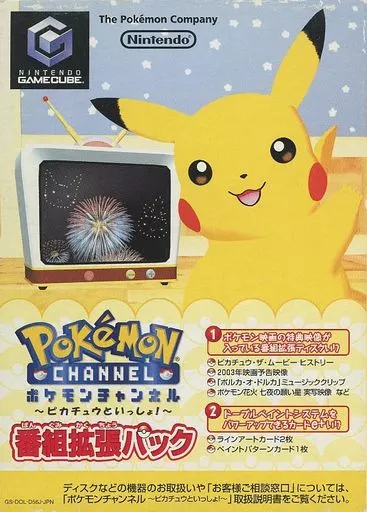
The Program Expansion Disc: Japanese copies came with a second disc that read the Pokémon Channel save and added four extra channels – a history of the Pokémon films, a trailer for Jirachi: Wish Maker, a fireworks show and a Nintendo channel advertising the e-Reader, Pokémon Colosseum, Pokémon Pinball: Ruby & Sapphire and Ruby and Sapphire themselves.
Regional Variations
Each region got a slightly different package:
- Japanese copies came with a Program Expansion Disc that read the Pokémon Channel save and added four extra channels: a history of the Pokémon films, a trailer for Jirachi: Wish Maker, a fireworks show and a Nintendo channel advertising e-Reader, Pokémon Colosseum, Pokémon Pinball: Ruby & Sapphire and Ruby and Sapphire.
- The Jirachi transfer to Pokémon Ruby and Sapphire is only in the European and Australian versions; North American players got a different Jirachi from the Pokémon Colosseum Bonus Disc instead.
- The Japanese version has ten Pokémon mini games against six in other regions, including five based on Japan-only cartridges; Pikachu’s Rocket Start is found only in international copies.
- e-Reader cards were packed only with North American, Japanese and Australian copies. North America got The Pikachu Star, The Kyogre Constellation and the Poké A La Card pattern sheet; Japan and Australia swapped the Kyogre card for a Jirachi line-art card.
- Pichu Bros. in Party Panic is available in English and Japanese in North America, and in English, Japanese, German, French, Spanish and Italian in Europe; a Japanese version narrated by Misty (Kasumi) is in every release.
- Most Pokémon cries were changed outside Japan to match the voices of the English dub of the anime.
- Only the Japanese version can save pictures to an SD card through the GameCube SD Card Adapter.

Left in the data
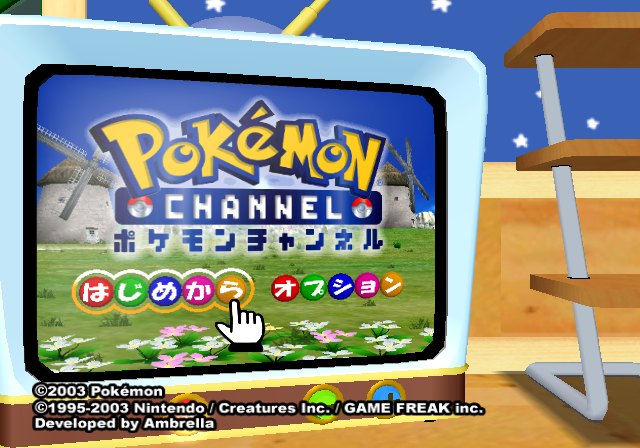
- An unused Cobalt Coast title screen, with no cursor, survives in the data; its background was reused for the title screen of the Japanese Program Expansion Disc.
- An alternative opening cutscene shows Pikachu with Treecko, Torchic, Pichu and Togepi, and unused ribbons reading “Pichu” and “Pikachu with friends” appear to have been meant for the intro.
- Models of fragments for every Pichu Bros. disc suggest players were once meant to track down each episode piece by piece, not just the final one.
- Leftover props include inflatable Pokémon pool toys possibly intended for Shop ‘N Squirtle, a Hey You, Pikachu! poster, a rectangular Ditto and an untranslated song book featuring Jigglypuff and the Pichu Bros.
- An unused television test card based on the Philips PM5544 pattern carries the name and phone number of a real Polish TV repair firm; an earlier, more colourful logo and early Nice Card backs marked with the kanji for “temporary” also remain.
Glitches, exploits and oddities
A Shiny Jirachi, a Berry fix and a calendar trick:
Shiny Channel Jirachi
The Jirachi that European and Australian copies send to Ruby and Sapphire was evidently meant to be an ordinary gift, but because of a bug in the way the transfer generates it, it can arrive Shiny. Everything else about it is fixed: level 5, Original Trainer CHANNEL with ID number 40122, the Serene Grace Ability, the moves Wish, Confusion and Rest, and a Salac Berry or Ganlon Berry to hold. Only its Nature and, through the bug, its colouring vary from one Jirachi to the next.
Berry glitch fix
Many Ruby and Sapphire cartridges suffer from the Berry glitch, which stops berries growing and freezes other time-based events once the game’s internal clock has run for a year. Receiving the Jirachi from Pokémon Channel repairs the fault on that cartridge, the same fix that North American players got from the Pokémon Colosseum Bonus Disc. That made the transfer worthwhile for European and Australian players even if they already had a Jirachi.
Skipping days with the system clock
Because the story is driven by the GameCube’s own clock rather than an internal counter, changing the console’s date and time moves the game on to the next day immediately. Players can use this to finish the six-day story in one sitting, to reach a particular weekday at Camp Starlight for a specific visitor, or to hurry along a slow Eggzamination egg, at the cost of the drip-fed pacing the designers intended.
Videos & media
Check out these Pokémon Channel videos, including TV commercials, trailers and more.
The intro video for Pokémon Channel.
A gameplay trailer for Pokémon Channel.
A Japanese TV commercial for Pokémon Channel.
An unused credits theme from the bonus disc for Pokémon Channel.
Trivia & facts
- The bumpers used on the Pokémon channels are similar to the BBC’s.
- All the songs featured in Hey You, Pikachu! are present in Pokémon Channel’s data.
- The title screen music was supposed to be a different one, but the developers changed it for unknown reasons.
-

Snorlax, Pokémon Channel artwork. The title music of Snorlax’s Lunch Time is a remix of Snorlax’s theme from the Pokémon Zany Cards game.
- A Pikachu TV can be bought, for 500 Poké, after obtaining all the Nice Cards.
- The glasses-wearing Squirtle, Spencer, is thought by fans to be a nod to the Squirtle Squad and their sunglasses from the anime series.
- Psychic is misspelt as ‘Physic’ in the English version of the instruction manual.
Further trivia
- Celebi, Latias, Latios, Lapras, Blaziken and Jirachi only appear in Mintale Town after they have been featured on Pokémon News Flash.
- The dolls sold on Shop ‘N Squirtle are the same range as the Generation II dolls and reuse the models from Pokémon Stadium 2.
- In Pichu Bros. in Party Panic, Meowth is seen holding a GameCube-style controller.
- Ash’s Pikachu never appears in Party Panic, but Meowth refers to it, grumbling that the slow-working Squirtle Squad are scarier than Pikachu.
- Mintale Town’s Japanese name, Hatsuka Town, comes from hakka, the Japanese word for mint; the French version calls it Légenville and the German Emeraltal.
- Mintale Town’s location is never given, but Viridian Forest and the reappearance of Springleaf Field and Cobalt Coast from the Kanto-set Hey You, Pikachu! point towards Kanto.
Legacy
What came after
- Japanese release, with the Program Expansion Disc – 18 July 2003. Released as Pokémon Channel: Pikachu to Issho! with a bonus disc of four extra channels.
- North American release – 1 December 2003. Early copies included three e-Reader cards for the Smeargle painting tool.
- Australian release – 1 April 2004. Includes the Jirachi transfer to Ruby and Sapphire and, in early copies, e-Reader cards.
- European release – 2 April 2004. Adds the Jirachi transfer and the six-language Pichu Bros. channels; no e-Reader cards.
- Later printings drop the e-Reader cards – Later printings, date unknown. The e-Reader features stay in the game; only the cards were removed from the box.
- Real-world Nice Cards released in Japan – 2004. The in-game collectables were turned into a physical card line.
- Ambrella absorbed into Creatures Inc. – 16 October 2020. The developer ceased to exist as a separate company after a run that included Pokémon Dash, My Pokémon Ranch and the Pokémon Rumble series.
- No re-release – As of October 2026. Not available on Virtual Console, Nintendo Switch Online or the Nintendo Switch 2 GameCube library.
Where to play it today
The only way to play Pokémon Channel is on original hardware: a GameCube disc on a GameCube or a backwards-compatible Wii, with a memory card for saves. The game has never appeared on Virtual Console, Nintendo Switch Online or the GameCube library for Nintendo Switch 2. The Jirachi transfer needs a European or Australian copy, a Game Boy Advance, a link cable and Ruby or Sapphire, and the e-Reader cards need an e-Reader as well.
How it was made
Pokémon Channel was made by Ambrella, the Tokyo studio founded in 1996 whose first Pokémon project had been Hey You, Pikachu! on the Nintendo 64. Muneaki Ozawa and Norio Matsumura directed, Tatsuya Hishida and Kunimi Kawamura produced, and Satoru Iwata and Tsunekazu Ishihara were executive producers. Miki Obata handled sound and shared planning duties, while Hirokazu Tanaka produced the music and wrote the songs; HAL Laboratory, Creatures and Jupiter assisted. The centrepiece cartoon, Pichu Bros. in Party Panic, was made with Shogakukan Production and OLM Digital under director Kuniko Yuyama, from a screenplay by Junki Takegami, with Yoichi Kotabe supervising the animation. The on-screen programmes work by mapping pre-rendered video onto a polygon. The game was first shown at E3 2003, where its demo ran at a choppy frame rate, and was playable on kiosks at Pokémon Festa 2003 in Sapporo.
Pokémon Channel elsewhere
Sales & reviews
Sales figures
Compared to the rest of the Pokémon titles, Pokémon Channel didn’t achieve great sales. In fact, the game’s sales started pretty well, with the game selling over 12,500 copies within three days of its release in Japan. Sales then deteriorated, and the game sold a total of about 0.38 million copies, which is a small number compared to the other Pokémon games.
The launch figure is Famitsu’s: 12,581 copies in a chart week that covered only the first three days, putting it 13th; Japanese sales reached 66,373 by the end of 2003. The 0.38 million worldwide total is an estimate, with North America (about 0.24 million) by far the biggest market – Nintendo has never published an official figure.
- 0.38mworldwide (estimate)
- 0.24mNorth America (estimate)
- 66,373Japan, 2003
- 12,581Japan, first 3 days

Review scores
As the sales show, Pokémon Channel, a game targeting mostly a young audience, wasn’t well received and got average scores on the major review sites. Let’s take a look at those scores:
- Mary Jane Irwin from IGN stated that the intuitive interface of the game and the ‘mindless entertainment’ would actually give the young audience enough fun and entertainment, scoring the game 5/10, which equates to ‘Mediocre’ on IGN’s scale.
- Ricardo Torres of GameSpot thought the gameplay was ‘Weak’ and scored the game 5.4/10, the equivalent of ‘Mediocre’ on the GameSpot scale, while writing “If you ever thought it would be cool to hang out with Pikachu, think again.”
- Pokémon Channel still managed a score of 50.55% on GameRankings (which closed in 2019).
- Overall, the game was quite average and didn’t achieve as much success as it was thought it would.
Critics split between those who saw Pokémon Channel as a charming toy for young fans and those who found little to do in it. The presentation won most of the praise: the Pokémon models and animation, the polished Pichu Bros. cartoon and the sheer number of collectables gave it real appeal for younger players and devoted fans. The complaints were just as consistent. Reviewers found the pace slow, the interaction shallow and the sound repetitive, and several questioned the point of watching virtual television on a real one. GameSpot’s Ricardo Torres felt it never captured the addictive, inventive appeal it was reaching for, IGN’s Mary Jane Irwin picked out the Pichu Bros. short as the only programming worth watching, and GameSpy argued there was no game there at all. Nintendo Power was kinder, promising hours of fun for Pokémon fans.
Awards and honours:
Media & artwork
- Official artwork – a gallery of official art featuring many of the Pokémon from Pokémon Channel
- Box art from Pokémon Channel, including several different regional variations
- Screenshots from Pokémon Channel
Further reading
More GameCube and Pikachu links on the site: