 |
|
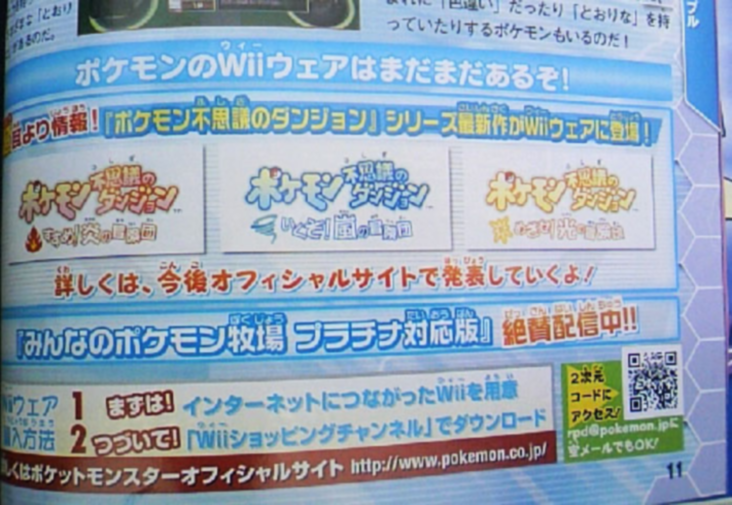
| Titles | ポケモン不思議のダンジョン (Pokémon Fushigi no Dungeon) すすめ!炎の冒険団 (Susume! Honō no Bōkendan) “Keep Going! Blazing Adventure Squad” いくぞ!嵐の冒険団 (Ikuzo! Arashi no Bōkendan) “Let’s Go! Stormy Adventure Squad” めざせ!光の冒険団 (Mezase! Hikari no Bōkendan) “Go For It! Light Adventure Squad” Known together in English as Pokémon Mystery Dungeon: Adventure Squad; there are no official English titles |
| Platform | Wii (WiiWare download, Japan only) · also runs on Japanese Wii U consoles in Wii Mode · a Nintendo DS can be the controller through DS Download Play |
| Developer | Chunsoft |
| Publishers | The Pokémon Company · Nintendo |
| Directors | Seiichiro Nagahata · Hironori Ishigami |
| Producers | Koichi Nakamura (Chunsoft) · Hitoshi Yamagami · Kunimi Kawamura · Hiroaki Tsuru · Mikiko Ohashi · Toshio Miyahara Executive producers: Satoru Iwata · Tsunekazu Ishihara |
| Music | Kenji Ito, Keisuke Sasaki, Hideaki Shirato, Ami Shimizu, Natsuki Inage, Wataru Hasegawa and others · sound director Misaki Okibe |
| Players | 1 (online rescues between players until 2014) |
| Genre | Roguelike dungeon crawler |
| Price | 1,200 Wii Points per version (1,234 Wii Points from April 2014); free downloadable missions, no paid add-ons |
| Versions | 3: Blazing (Fire), Stormy (Water) and Light (Electric) |
| Pokémon | 493 across the three versions · 27 starters, nine per version · 15 dungeons per version, 45 in all |
| Released | 4 August 2009 (Japan, all three versions) |
| Service ended | Online features: 28 June 2013 (WiiConnect24) and 20 May 2014 (Nintendo Wi-Fi Connection) · Sales: 30 January 2019 (last day of the Wii Shop Channel) |
| Rating | CERO A |
| Predecessor | Pokémon Mystery Dungeon: Explorers of Sky (Nintendo DS, 2009) |
| Successor | Pokémon Mystery Dungeon: Gates to Infinity (Nintendo 3DS, 2012) |
| Sales | No figures published |
Overview
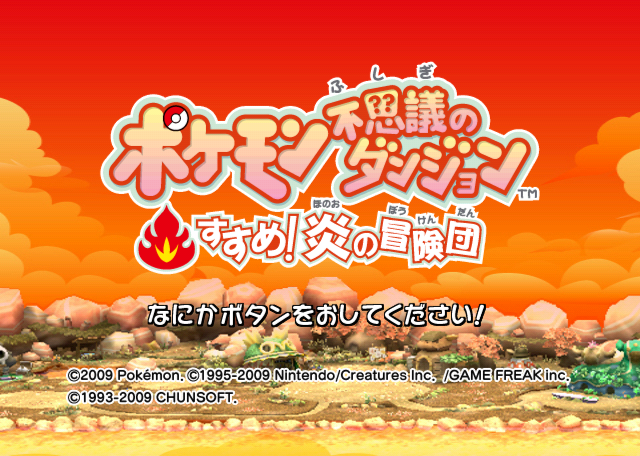
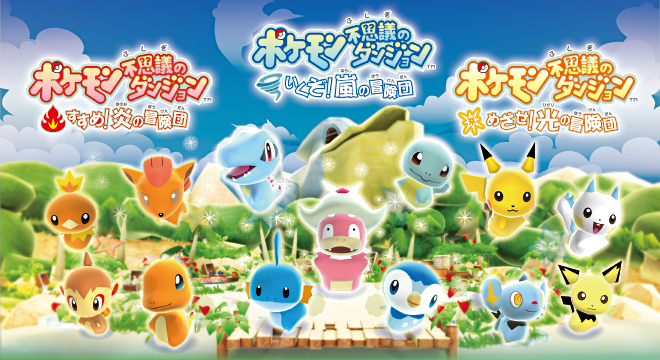 Pokémon Mystery Dungeon: Adventure Squad is the name usually given in English to a trio of WiiWare games that Chunsoft made for The Pokémon Company: Pokémon Fushigi no Dungeon: Susume! Honō no Bōkendan, Ikuzo! Arashi no Bōkendan and Mezase! Hikari no Bōkendan, or “Keep Going! Blazing Adventure Squad”, “Let’s Go! Stormy Adventure Squad” and “Go For It! Light Adventure Squad”. All three went on sale on the Japanese Wii Shop Channel on 4 August 2009, at 1,200 Wii Points apiece, and none of them ever left Japan. Each version is built around a single type, Fire, Water or Electric, and has its own hub town, its own nine starting Pokémon and fifteen dungeons found nowhere else.
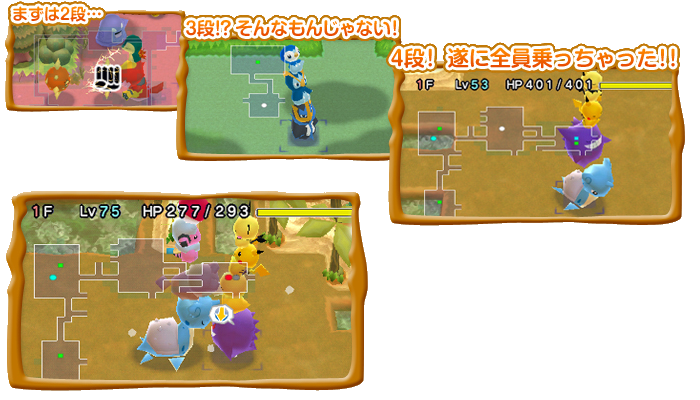
Underneath, this is Mystery Dungeon as fans know it. A squad of up to four Pokémon explores floors that are laid out afresh on every visit, trading blows turn by turn, keeping an eye on its Belly and its bag, and taking rescue and delivery jobs from the town’s request board. The Adventure Squad games add two big ideas of their own: Pokémon can now evolve in the middle of a dungeon, and teammates can climb onto one another’s heads to form a Pokémon Tower that moves as one and unleashes several moves in a single turn. The three versions also share their save files, so a Pokémon recruited in one can explore the others, and the full roster of 493 Pokémon is only within reach once all three are linked.
Coming between Explorers of Sky and Gates to Infinity, the trilogy broke new ground for the series. It was the first Pokémon Mystery Dungeon release for a home console and the first in full 3D, and it is still the only one in which the hero is simply a Pokémon from the town rather than a human who wakes up transformed. There is no personality quiz either: you just pick a leader and a partner and set off.
Because they were never localised, and because the Wii Shop Channel stopped selling software on 30 January 2019, these are the least known entries in the series. Their online events and rescues went dark in 2013 and 2014, and in the West they are known mostly from import news at the time and from an unofficial English fan translation released in 2020.
ポケモンダンジョンシリーズ初の3Dによる表現で優しい色合いとポケモンの持つ可愛らしさを生かした、まるで絵本のような雰囲気となっています。本作では従来の『ポケモン不思議のダンジョン』シリーズの遊びに加え、連続して強力なわざを繰り出せる「ポケモンタワー」や、ポケモンがダンジョン内で進化をするなど新要素が沢山追加されています。
Shown in 3D for the first time in the Pokémon Mystery Dungeon series, the game makes the most of gentle colours and the cuteness of Pokémon, for an atmosphere just like a picture book. Alongside the familiar play of the Pokémon Mystery Dungeon series, it adds lots of new features, such as the Pokémon Tower, which lets you unleash powerful moves one after another, and Pokémon that evolve inside dungeons.
— Official description (Japan), with our English translation
Quick Answers
The questions people ask most about the Adventure Squad games, answered first and explained further down the page.
Can you still buy or play the Pokémon Mystery Dungeon WiiWare games in 2026?
You can still play them, but you can no longer buy them. The Wii Shop Channel stopped selling software on 30 January 2019, and the games have never been re-released. Copies that were already downloaded still run on Japanese Wii and Wii U consoles, and Nintendo said past buyers could carry on redownloading after the shop closed, though it warned that this would end one day too. Every online feature shut down in 2013 and 2014. More →
Were the Adventure Squad games ever released in English?
No. All three were sold only in Japan, and they are the only Pokémon Mystery Dungeon games never released anywhere else. The English titles you will see are translations of the Japanese names, and none of them is official. An unofficial fan translation released in April 2020 put the games into English under the names Wildfire, Tempest and Radiant Adventure Squad. More →
What are the differences between Blazing, Stormy and Light Adventure Squad?
Each version centres on one type, Fire, Water or Electric, and has its own hub town (Pokémon Village, Pokémon Beach or Pokémon Garden), nine starters and fifteen dungeons. Each also has well over a hundred Pokémon the other two lack, among them its own Legendary beast, Legendary bird, Regi and Hoenn weather Legendary. More →
How many Pokémon are in the WiiWare Mystery Dungeon games?
All 493 Pokémon known in 2009 appear, and this was the first Mystery Dungeon release in which Arceus could join the team. No single version has them all: each has its own exclusives, and seven, Mew, Darkrai, Jirachi, Palkia, Dialga, Giratina and Arceus, could only be obtained through online events in 2009. More →
Do you need all three versions to collect every Pokémon?
Yes. The three versions share up to four save files on the same Wii, so recruits, banked money and stored items pass freely between them. A save linked to all three has room for 552 Pokémon and 1,000 items, and it is the only way to gather every species available through normal play. More →
How do Pokémon Towers work?
Once the squad reaches Bronze Rank, Slowking teaches it Stack Attack, and up to four teammates can climb onto one another’s heads. The tower moves as one and every member attacks in the same turn, with only the leader’s first move costing PP. Heavy damage, traps, weather or thrown items knock it apart, and wild Pokémon build towers too. More →
How do you get Arceus in the Adventure Squad games?
Arceus waits on the 29th floor of each version’s final dungeon (Final Mountain, Final Island or Final Cave), and it appears only through a Wonder Mail W mission downloaded over Nintendo Wi-Fi Connection from 20 August 2009. It takes the version’s type: Fire in Blazing, Water in Stormy and Electric in Light. The mission disappeared when the service closed in May 2014. More →
Is there a sequel, or a version on Nintendo Switch?
The trilogy has never been ported to Wii U, 3DS or Switch. The series went back to handhelds with Gates to Infinity on Nintendo 3DS in 2012, and its next home-console game was Rescue Team DX on Switch in 2020, a remake of the very first games rather than a follow-up to the Adventure Squads. More →
The three versions: starters and exclusives
Blazing, Stormy and Light Adventure Squad are far more than recoloured copies of one game. Each has its own hub town, its own nine starters, fifteen dungeons that appear in no other version and well over a hundred Pokémon the other two lack. The story and the town’s services are the same in all three, but the split runs much deeper than in the Rescue Team or Explorers pairs, and the shared save system exists largely so that players who bought more than one version could pool their squads.
- 3versions, released together on 4 August 2009
- 27starter Pokémon, nine per version
- 45dungeons, 15 per version and none shared
- 493Pokémon across the three versions
The three versions side by side:
| Blazing | Stormy | Light | |
|---|---|---|---|
| Featured type | Fire | Water | Electric |
| Hub town | Pokémon Village, a volcanic town beside a lava lake | Pokémon Beach, a tropical shore of sand and shells | Pokémon Garden, a leafy forest full of flowers |
| Starters | Charmander, Cyndaquil, Torchic, Chimchar, Vulpix, Growlithe, Eevee, Teddiursa, Buneary | Squirtle, Totodile, Mudkip, Piplup, Wooper, Azurill, Phanpy, Wynaut, Riolu | Pikachu, Pichu, Shinx, Pachirisu, Elekid, Mareep, Psyduck, Togepi, Meowth |
| Legendary beast | Entei | Suicune | Raikou |
| Other exclusive Legendaries | Moltres, Ho-Oh, Regirock, Groudon, Mesprit, Latias, Latios | Articuno, Lugia, Regice, Kyogre, Azelf, Deoxys, Phione | Zapdos, Celebi, Registeel, Rayquaza, Uxie, Cresselia, Shaymin |
| Some everyday exclusives | The Dratini, Larvitar, Bagon and Gible lines, and even Rattata | The Trapinch line, Feebas, Absol and Spiritomb, and even Hoothoot | The Treecko, Ralts and Beldum lines and Rotom, and even Pidgey |
| Farfetch’d’s rival | Sneasel | Floatzel | Grumpig |
| Final dungeon | Final Mountain, with a Fire-type Arceus | Final Island, with a Water-type Arceus | Final Cave, with an Electric-type Arceus |
Susume! Honō no Bōkendan (Keep Going! Blazing Adventure Squad)
| At a glance | Blazing Adventure Squad |
|---|---|
| Japanese title | ポケモン不思議のダンジョン すすめ!炎の冒険団 |
| Romaji | Pokémon Fushigi no Dungeon: Susume! Honō no Bōkendan |
| Translation | Pokémon Mystery Dungeon: Keep Going! Blazing Adventure Squad |
| Released | 4 August 2009, Japan only (WiiWare) |
| Price | 1,200 Wii Points (1,234 from April 2014) |
| Dungeons | 15, from Dubious Forest to Final Mountain |
Blazing is the Fire version. Its hub, Pokémon Village, sits in the shadow of a volcano beside a lake of lava, and six of its nine starters are Fire types: Charmander, Cyndaquil, Torchic and Chimchar, the Fire-type first partners of four regions, plus Vulpix and Growlithe, with Eevee, Teddiursa and Buneary rounding out the line-up. Sneasel is the resident forever squabbling with Farfetch’d.
Its fifteen dungeons run from Dubious Forest and Cheerful Meadow to Fire Mountains, Legendary Volcanic Island and Final Mountain, where a Fire-type Arceus waits on the 29th floor. Blazing is also the version for pseudo-Legendary Pokémon: the Dratini, Larvitar, Bagon and Gible lines live here and nowhere else, alongside Entei, Moltres, Ho-Oh, Regirock, Groudon, Mesprit, Latias and Latios.
The nine starters, and the Legendary beast that joins after the story:
 Charmander#004
 Vulpix#037
 Growlithe#058
 Eevee#133
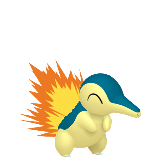 Cyndaquil#155
 Teddiursa#216
 Torchic#255
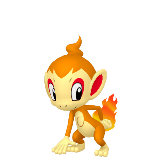 Chimchar#390
 Buneary#427
 EnteiJoins after the story
Ikuzo! Arashi no Bōkendan (Let’s Go! Stormy Adventure Squad)
| At a glance | Stormy Adventure Squad |
|---|---|
| Japanese title | ポケモン不思議のダンジョン いくぞ!嵐の冒険団 |
| Romaji | Pokémon Fushigi no Dungeon: Ikuzo! Arashi no Bōkendan |
| Translation | Pokémon Mystery Dungeon: Let’s Go! Stormy Adventure Squad |
| Released | 4 August 2009, Japan only (WiiWare) |
| Price | 1,200 Wii Points (1,234 from April 2014) |
| Dungeons | 15, from Dubious Hill to Final Island |
Stormy is the Water version, set in Pokémon Beach, a tropical seaside town of sand and shells. Its starters include the Water-type first partners of the same four regions, Squirtle, Totodile, Mudkip and Piplup, along with Wooper, while Azurill, Phanpy, Wynaut and Riolu add some variety. Floatzel plays Farfetch’d’s quarrelsome rival.
The dungeons stretch from Dubious Hill and Exciting Meadow to Storm Island, Stormy Seas, Legendary Wetland and Final Island, home to a Water-type Arceus. Only Stormy has Suicune, Articuno, Lugia, Regice, Kyogre, Azelf, Deoxys and Phione, and it is the version to own for Trapinch and its evolutions, Feebas and Milotic, Absol and Spiritomb.
The nine starters, and the Legendary beast that joins after the story:
 Squirtle#007
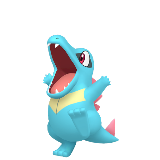 Totodile#158
 Wooper#194
 Phanpy#231
 Mudkip#258
 Azurill#298
 Wynaut#360
 Piplup#393
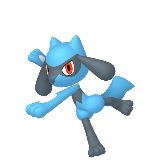 Riolu#447
 SuicuneJoins after the story
Mezase! Hikari no Bōkendan (Go For It! Light Adventure Squad)
| At a glance | Light Adventure Squad |
|---|---|
| Japanese title | ポケモン不思議のダンジョン めざせ!光の冒険団 |
| Romaji | Pokémon Fushigi no Dungeon: Mezase! Hikari no Bōkendan |
| Translation | Pokémon Mystery Dungeon: Go For It! Light Adventure Squad |
| Released | 4 August 2009, Japan only (WiiWare) |
| Price | 1,200 Wii Points (1,234 from April 2014) |
| Dungeons | 15, from Dubious Valley to Final Cave |
Light is the Electric version, based in Pokémon Garden, a leafy forest town full of flowers. Six of its starters are Electric types (Pikachu, Pichu, Shinx, Pachirisu, Elekid and Mareep), and Psyduck, Togepi and Meowth complete the set. Here it is Grumpig that cannot stop arguing with Farfetch’d.
Its dungeons range from Dubious Valley and Sparkling Meadow to Light Summit, Wave Seas, Legendary Mountains and Final Cave, where the Arceus is an Electric type. Light’s exclusives include Raikou, Zapdos, Celebi, Registeel, Rayquaza, Uxie, Cresselia and Shaymin, as well as the Treecko line, Ralts and its evolutions, the Beldum line and Rotom.
The nine starters, and the Legendary beast that joins after the story:
 Pikachu#025
 Meowth#052
 Psyduck#054
 Pichu#172
 Togepi#175
 Mareep#179
 Elekid#239
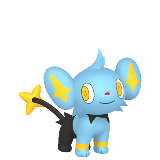 Shinx#403
 Pachirisu#417
 RaikouJoins after the story
The Legendary Pokémon, version by version
Most Legendary groups are split between the versions, one member to each, so a full set means linking all three. Each version’s Legendary beast arrives in town after the story, and the rest wait in late-game dungeons. Mewtwo is one of the few found in every version, at the end of each game’s Secret dungeon, and Arceus came to all three through a downloaded mission:
| Group | Blazing | Stormy | Light |
|---|---|---|---|
| Legendary beast | Entei, visits Pokémon Village | Suicune, visits Pokémon Beach | Raikou, visits Pokémon Garden |
| Legendary bird | Moltres, Mystery Plains | Articuno, Legendary Wetland | Zapdos, Light Summit |
| Johto Legendary or Mythical | Ho-Oh, Legendary Volcanic Island | Lugia, Stormy Seas | Celebi, Mystery Meadow |
| Legendary golem | Regirock, Weird Mountain | Regice, Weird Rockland | Registeel, Weird Forest |
| Hoenn weather trio | Groudon, Fire Mountains | Kyogre, Storm Island | Rayquaza, Legendary Mountains (49th floor) |
| Lake guardian* | Mesprit, Ruby Lake | Azelf, Jade Lake | Uxie, Mica Lake |
| Version extras* | Latias and Latios, Weird Mountain and Fire Mountains | Deoxys, Mystery Marsh; Phione, Storm Island | Cresselia, Wave Seas; Shaymin, Mystery Meadow |
| In every version | Mewtwo, Secret Archipelago | Mewtwo, Secret Highland | Mewtwo, Secret Rockmountain |
| Arceus (Wonder Mail W) | Final Mountain, 29th floor: Fire type | Final Island, 29th floor: Water type | Final Cave, 29th floor: Electric type |
* These only appear once the squad has obtained the Secret Slab or Enigma Part, rewards from high-rank jobs. Heatran and Manaphy cannot be met in any dungeon at all: both join through Pal Passwords, in any version.
How the versions fit together
Story
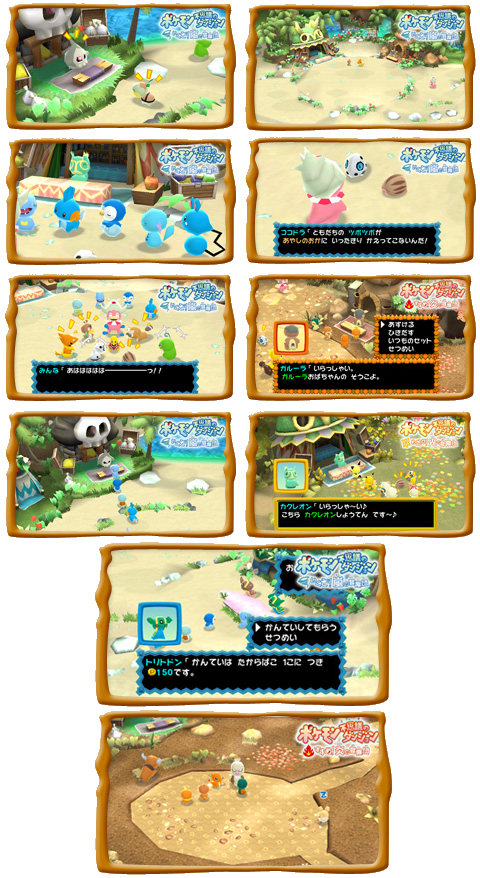
Each version opens in its hub town, where the elderly Slowking keeps the peace among the local Pokémon. He is in the middle of breaking up yet another row between Farfetch’d and its sparring partner, Sneasel in Blazing, Floatzel in Stormy or Grumpig in Light, when Aron and Swinub hurry over with bad news: Shuckle has gone into a nearby dungeon in search of a fruit that is said to be delicious, and it has not come back. There is no amnesiac human this time. The player simply picks a hero and a partner from the version’s nine starters and sets off to bring Shuckle home.
With Shuckle safe, Slowking shows the newcomers the request board and asks them to form an Adventure Squad, named Blazing, Stormy or Light after the version, to help the residents. As the squad climbs the ranks it learns Stack Attack, and new areas open up. The plot stays small and local. A marvellous chocolate brought back from the Chocolate dungeon should have delighted everyone; instead it leaves the residents squabbling with envy. To make amends, the squad heads deep into another dungeon for special cookies made for sharing. Handing them round ends the arguments, Farfetch’d and its rival make up over one, and Slowking eventually tries one himself, leaving the town livelier than ever.
After the story, the version’s Legendary beast, Entei, Suicune or Raikou, arrives in town and offers to join. Tougher dungeons open, high-rank jobs bring the Secret Slab and Enigma Part, and the hunt for Legendary Pokémon leads at last to Arceus at the bottom of the final dungeon, a challenge that could only be reached through a downloaded mission.
Gameplay
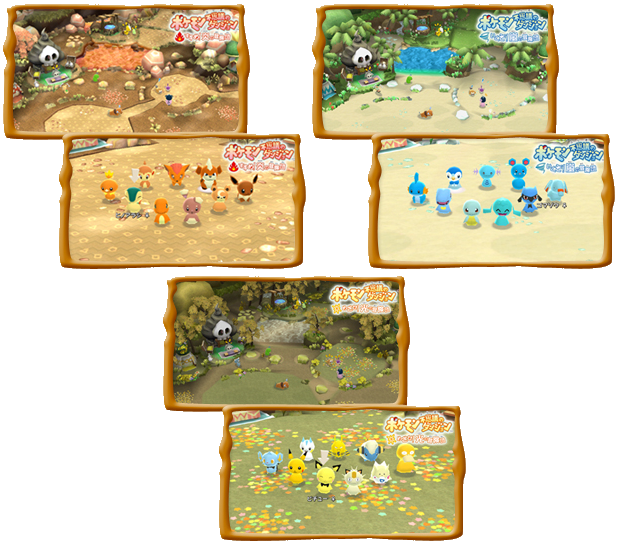
Between expeditions the squad lives in its version’s hub town, taking jobs from Slowking and stocking up on supplies. Out in the dungeons the classic Mystery Dungeon rules apply, with a few twists of the trilogy’s own.
Into the dungeons
Pokémon Towers and evolution
Town life and jobs
 SlowkingJobs and the squad
 DuskullBank
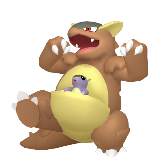 KangaskhanWarehouse
 KecleonShop
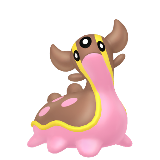 GastrodonOpens treasure chests
 SlakingMove reminder
The milestones along the way:
| Rank | Points | What it brings |
|---|---|---|
| Bronze Rank | 100 | Slowking teaches Stack Attack; Gastrodon start opening treasure chests |
| Silver Rank | 200 | Slaking moves to town to remind Pokémon of their moves |
| Gold Rank | 1,300 | Jobs that reward the Secret Slab and the Enigma Part |
| Platinum Rank | 1,600 | The Unown dungeon opens |
| Super Rank | 4,000 | A Legendary dungeon opens |
| Royal Rank | 8,000 | The last step before Slowking’s own rank |
| Slowking Rank | 71,200 | The highest rank of all, named after the elder himself |
Online features
Controls, looks and price
Characters
The cast is small and local, and the same in all three versions apart from one sparring partner:
- SlowkingElder of the town
 ShuckleGoes missing
 AronRaises the alarm
 SwinubRaises the alarm
 Farfetch’dQuarrelsome resident
 SneaselRival in Blazing
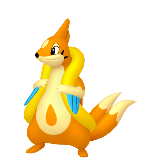 FloatzelRival in Stormy
 GrumpigRival in Light
- Slowking: The wise old leader of each version’s hub town. Slowking referees the residents’ squabbles, sends the newcomers after the missing Shuckle, names the Adventure Squad and runs the request board, much as Wigglytuff runs its Guild in Explorers of Time and Darkness. He teaches the squad Stack Attack once it reaches Bronze Rank, and the very highest squad rank is named after him.
- Shuckle: The Pokémon whose disappearance starts the adventure. Tempted into a nearby dungeon by talk of a delicious fruit, Shuckle fails to come back, and rescuing it is the tutorial in which the player first leads a team. Bringing it home safely is what convinces Slowking that the newcomers should form an Adventure Squad.
- Aron and Swinub: Shuckle’s young friends, who raise the alarm. They hurry to Slowking while he is refereeing yet another argument, and their plea sends the newly chosen hero and partner into the first dungeon.
- Farfetch’d: A hot-headed resident who is forever arguing with its sparring partner, although the two are close friends underneath and finally make peace over one of the shared cookies. With WiiConnect24 switched on, Farfetch’d also passed on reports of rare Pokémon spotted in the dungeons, the hook for the 2009 event missions.
- Sneasel, Floatzel and Grumpig: Farfetch’d’s opposite number changes with the version: Sneasel in Blazing, Floatzel in Stormy and Grumpig in Light. Whichever it is, it spends the story trading insults with Farfetch’d, and the pair only settle their differences once the squad brings home the cookies meant for sharing.
Pokémon
All 493 Pokémon known in 2009 appear, from Bulbasaur to Arceus, and this was the first Mystery Dungeon release in which Arceus could join the team. No version holds them all: the 27 starters are split nine to a version, and each version has well over a hundred exclusives, as the version tables show. Most recruits come from beating wild Pokémon in dungeons; the rest come from 20 Pal Passwords and, in 2009, came from seven event Pokémon delivered online.
Event Pokémon
Seven Pokémon could only be had online, all of them in the first three months. Four came as WiiConnect24 visitors, reported by Farfetch’d and waiting deep in special missions: Mew on the 15th floor of each version’s Chocolate dungeon, Darkrai on the 15th floor of its Path to Treasure dungeon, Jirachi on the 20th floor of a mission dungeon and Palkia on the 15th, and any of them might refuse to join even when beaten. The other three came through Wonder Mail W missions over Nintendo Wi-Fi Connection. With both services long gone, none of the seven can be obtained today.
 MewWiiConnect24 · August 2009
 DarkraiWiiConnect24 · August–September 2009
 JirachiWiiConnect24 · September–October 2009
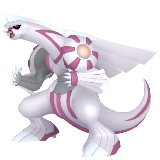 PalkiaWiiConnect24 · October–November 2009
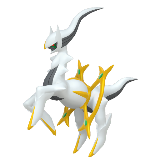 ArceusWonder Mail W · from August 2009
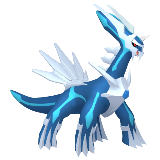 DialgaWonder Mail W · from October 2009
 GiratinaWonder Mail W · from October 2009
Pal Passwords
Twenty Pokémon can be recruited by entering Pal Passwords (なかよしパスワード, nakayoshi pasuwādo), which work in any version once the Adventure Squad has been formed. Chikorita’s password went out on launch day. The set mixes familiar faces such as Chikorita, Chimchar, Lucario and Lapras with Pokémon exclusive to one version, such as Gyarados, Metagross, Milotic and Ludicolo, and it is the only source of the Legendary Heatran and the Mythical Manaphy. Several of the password Pokémon arrive Shiny, and because the codes are typed in by hand, they need no connection. Among the twenty:
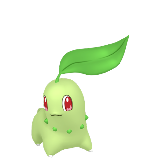 ChikoritaLaunch day
- Chimchar#390
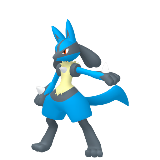 Lucario#448
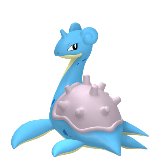 Lapras#131
 Gyarados#130
 Metagross#376
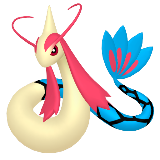 Milotic#350
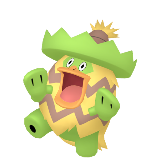 Ludicolo#272
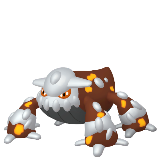 HeatranPassword only
 ManaphyPassword only
Shiny Pokémon
Thirty-six species can be recruited as Shiny Pokémon, ranging from Caterpie, Wurmple and their evolutions to Mareep, Wooper, Budew, Skorupi and Drapion. Every Shiny recruit has a Belly of 200 instead of the usual 100, so it can stay in a dungeon twice as long before it goes hungry. Some of the 36:
 Caterpie#010
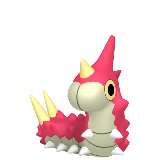 Wurmple#265
- Mareep#179
- Wooper#194
 Budew#406
 Skorupi#451
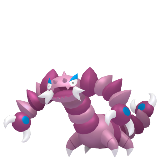 Drapion#452
Events & online services
The trilogy’s online life was short and busy: a new event Pokémon or mission arrived roughly every month after launch, the last of them on 15 October 2009, and the services that carried them closed in 2013 and 2014.
| Date | What happened |
|---|---|
| 4 August 2009 | All three versions go on sale on the Japanese Wii Shop Channel at 1,200 Wii Points each; Chikorita’s Pal Password is released |
| 7 August 2009 | The first WiiConnect24 event: Mew appears in the Chocolate dungeons until 16 August |
| 14 August 2009 | Mystery Dungeon wallpapers go up on the Pokémon Daisuki Club fan website |
| 20 August 2009 | The Wonder Mail W mission for Arceus goes live, and Darkrai’s WiiConnect24 event runs until 12 September |
| 15 September 2009 | Jirachi’s WiiConnect24 event begins, running until 12 October |
| 15 October 2009 | Palkia’s WiiConnect24 event begins (until 15 November), and Dialga and Giratina arrive through Wonder Mail W |
| 28 June 2013 | WiiConnect24 shuts down, ending news and event mission downloads |
| April 2014 | The price of each version rises from 1,200 to 1,234 Wii Points |
| 20 May 2014 | Nintendo Wi-Fi Connection closes, ending Wonder Mail W and online rescue requests |
Regional Variations
As Japan-only downloads, the Adventure Squad games have no regional versions to compare, but a few points are worth knowing:
- The games were released only in Japan, on 4 August 2009; no version was ever issued in North America, Europe, Australia or Korea.
- WiiWare downloads are tied to the console’s region, so the games only run on Japanese Wii and Wii U systems.
- All the text is in Japanese. With no official English names, the titles have been translated in several ways: besides Keep Going! Blazing, Let’s Go! Stormy and Go For It! Light Adventure Squad, used on this page, they have been called Advance! Fire, Go! Storm and Aim! Light Adventure Team, or Onwards! Fire, Let’s Go! Storm and Aim High! Light Adventure Squad.
- When the games were revealed, some English-language sites expected an American release to follow, but none was ever announced.
Left in the data
- Notes published with the 2020 fan translation point to a number of dummied items in the game data, carried over from Explorers of Sky and impossible to obtain without cheats.
Trivia & facts
- The Adventure Squad games are the only Pokémon Mystery Dungeon titles never released outside Japan, and the only ones sold purely as downloads.
- They were the first games in the series made for a home console. The next to appear on one was Rescue Team DX on Nintendo Switch, more than ten years later.
-
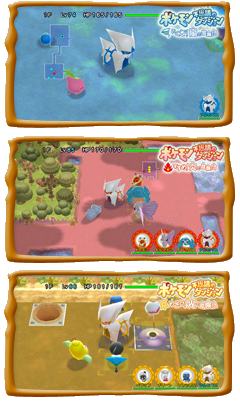
From the 2009 Japanese promotion. They were also the series’ first games in full 3D, built from Pokémon models shared with My Pokémon Ranch and Pokémon Rumble rather than new sprites.
- This is the only Pokémon Mystery Dungeon story whose hero is not a human turned into a Pokémon: the player is simply one of the locals.
- They were the first games in the series to drop the personality quiz, letting the player choose a leader and a partner directly.
-
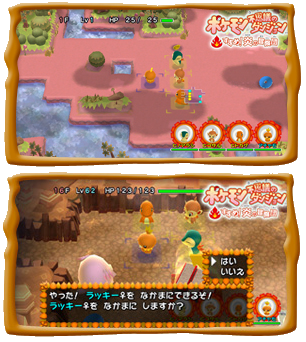
An image from the official Japanese site. No other Mystery Dungeon games give each version its own dungeons: all 45 here belong to a single version, 15 apiece.
- Arceus, which had only appeared as a statue in Explorers of Sky, could be recruited in a Mystery Dungeon game for the first time here, its type changing to match the version.
- The trilogy was given away early by a McDonald’s pamphlet in Japan in June 2009, weeks before The Pokémon Company detailed it.
- From April 2014 each version cost a curiously neat 1,234 Wii Points, up from 1,200 at launch.
- During its August 2009 event, Mew could turn up transformed into another Pokémon.
- These were the last Pokémon Mystery Dungeon games credited to Chunsoft. By the time Gates to Infinity arrived in 2012, the studio had merged with Spike, and the new game was credited to Spike Chunsoft.
Legacy
What came after
- Launch in Japan – 4 August 2009. Blazing, Stormy and Light released together on WiiWare at 1,200 Wii Points each
- Last new event Pokémon – 15 October 2009. Dialga and Giratina arrive through Wonder Mail W, with Palkia over WiiConnect24
- Gates to Infinity – 23 November 2012. The next Pokémon Mystery Dungeon game launches on Nintendo 3DS in Japan, credited to Spike Chunsoft
- Kotaku recommendation – 29 November 2017. Chris Kohler names the trilogy among the WiiWare games to buy before the Wii Shop Channel closes
- Wii Points top-ups end – 26 March 2018. The last day to add Wii Points to a Wii Shop Channel account
- End of sales – 30 January 2019. The last day to buy software on the Wii Shop Channel; the trilogy can no longer be purchased
- Rescue Team DX – 6 March 2020. The series returns to a home console for the first time since the trilogy, on Nintendo Switch
- Fan translation – 28 April 2020. An unofficial English patch translates all three versions
Where to play it today
As of October 2026 there is no way to buy any of the Adventure Squad games. They were sold only as WiiWare downloads, sales ended when the Wii Shop Channel stopped selling software on 30 January 2019, and there has been no port, remaster or Nintendo Switch Online release since. Copies already on Japanese Wii or Wii U consoles still play offline, and Nintendo said past buyers could redownload their games after the shop closed, while warning that this would also end at some point. The event missions, Wonder Mail W and online rescues have been gone since WiiConnect24 closed in 2013 and Nintendo Wi-Fi Connection in 2014, but the Pal Passwords are typed in by hand, so those still work.
How it was made
Chunsoft, the studio behind the Mystery Dungeon formula and every earlier Pokémon Mystery Dungeon game, built the trilogy for The Pokémon Company, carrying many systems over from Explorers of Sky, which had launched in Japan only months earlier. Seiichiro Nagahata and Hironori Ishigami directed, Koichi Nakamura produced for Chunsoft, and Hitoshi Yamagami and Kunimi Kawamura were among The Pokémon Company’s producers, with Satoru Iwata and Tsunekazu Ishihara as executive producers and Shin-ichiro Tomie writing the scenario. Rather than draw new sprites, the team used the 3D Pokémon models from My Pokémon Ranch and Pokémon Rumble, produced with Ambrella.
The games leaked before they were announced. In June 2009 a pamphlet from McDonald’s restaurants in Japan, apparently tied to the chain’s Mac de DS download promotion, showed three WiiWare Mystery Dungeon logos, and English-language sites picked it up as a rumour on 16 June. Magazine scans followed, and the official Japanese Pokémon website soon listed the three titles. In mid-July it revealed the 4 August release date, the 1,200-point price, the Pokémon Tower and support for the DS as a controller, along with a first trailer.
The Adventure Squads elsewhere
Reception
Sales
Neither Nintendo nor The Pokémon Company has ever published download figures for any of the three versions, and as download-only WiiWare games they never appeared in Japan’s retail sales charts, so there is no reliable count of how many squads were formed.
What the press said
There are no review scores to speak of. The trilogy never left Japan and arrived as quiet downloads, so it has no Metacritic or OpenCritic page, and English-language coverage came as import news rather than full reviews. JC Fletcher of Engadget picked out the shared saves: “Players will be able to share save data throughout all three games, so they can level up a persistent team.” A preview on Siliconera expected the wild Pokémon to put up a real fight: “It’s going to be a challenge to survive that, especially since they like stacking up into towers!”
Previews concentrated on what was new: the move to 3D models shared with My Pokémon Ranch and Pokémon Rumble, Pokémon Towers, evolution inside dungeons and the save files shared between versions. Japanese sites such as 4Gamer and Game Watch covered the launch largely through official material, repeating its description of a gentle, picture-book look. Interest came later: Kotaku picked them out in 2017 as WiiWare worth buying before the shop closed, and coverage of the 2020 fan translation found them light on plot but built firmly around dungeon-crawling and stacking.
Awards and honours:
- Included in Kotaku’s The Best WiiWare Games to Buy Before They All Disappear (Chris Kohler, 29 November 2017), under Only in Japan
Further reading
More Mystery Dungeon games and home-console spin-offs on the site: