  |
|
| Titles | Pokémon Ranger ポケモンレンジャー (Pokémon Renjā) |
| Platform | Nintendo DS (DS Wireless to send the Manaphy Egg) |
| Developers | HAL Laboratory · Creatures Inc. |
| Publisher | Nintendo (Daewon C.I. in South Korea) |
| Producers | Hiroyuki Jinnai · Yoichi Yamamoto · Hiroaki Tsuru |
| Music | Takuto Kitsuta · Kinta Sato |
| Players | Single player |
| Genre | Action role-playing game |
| Generation | Generation III |
| Pokémon | 213 in the Fiore Browser, all from Generations I–III |
| Missions | A trial mission and 10 story missions, 3 post-credits quests and 4 special missions |
| Released | 23 March 2006 (Japan) · 30 October 2006 (North America) · 7 December 2006 (Australia) · 13 April 2007 (Europe) · 7 April 2006 (South Korea, Japanese version) · 23 March 2006 (Taiwan) |
| Re-releases | Wii U Virtual Console: 25 February 2016 (Europe) · 26 February 2016 (Australia) · 13 April 2016 (Japan) · 21 July 2016 (North America) |
| Rating | ESRB E · PEGI 3 · CERO All ages · OFLC G |
| Predecessor | None – the first Pokémon Ranger game |
| Successor | Pokémon Ranger: Shadows of Almia (Nintendo DS, 2008) |
| Sales | 2.70 million by 31 March 2008 (Nintendo) |
Overview
 Pokémon Ranger (ポケモンレンジャー Pokémon Renjā) is an action role-playing game compatible with the main fourth-generation games, Pokémon Diamond, Pokémon Pearl and Pokémon Platinum, and the remakes HeartGold and SoulSilver.
The first game of three in the series, it was developed jointly by Creatures Inc. and HAL Laboratory, Inc. Pokémon Ranger was the first Pokémon game to utilise the stylus as the main input device for capturing Pokémon.
Like several other spin-offs, Pokémon Ranger introduced a new region as its setting, Fiore (フィオレ地方 Fiore-chihō). There is also an opportunity to receive a Manaphy Egg that can be transferred to any of the main fourth-generation games to be hatched.
In the July 2005 issue of CoroCoro Comic magazine, the first mention of Pokémon Ranger was made. The official announcement came in a teaser at the end of Pokémon: Lucario and the Mystery of Mew. It was released on 23 March 2006 in Japan, 30 October 2006 in North America, 7 December 2006 in Australia and 13 April 2007 in Europe. The Japanese version also went on sale in Taiwan on the same day as in Japan, and in South Korea on 7 April 2006.
It was released for the Wii U Virtual Console in Europe on 25 February 2016, in Australia on 26 February 2016, in Japan on 13 April 2016 and in North America on 21 July 2016. The wireless feature of the original game is not available in the Wii U Virtual Console version, so the Manaphy Egg cannot be sent on to Diamond, Pearl, Platinum, HeartGold or SoulSilver.
Capture On!
Play as a Pokémon Ranger and work to preserve nature and protect Pokémon!
— Official description
Quick Answers
The questions people ask about Pokémon Ranger, answered first and explained further down the page.
How do you unlock the special missions in Pokémon Ranger?
Open Ranger Net from the main menu and hold R + X + Left on the +Control Pad to reveal a password option, then enter the code for your version (US: P8M2-9D6F-43H7, UK: Mg35-Cpb8-4FW8). The missions can only be played once the main story is finished, and each one opens the next. More →

How do you get the Manaphy Egg and send it to Pokémon Diamond and Pearl?
Clear the special mission Recover the Precious Egg!, then send the Egg over DS Wireless to Diamond, Pearl, Platinum, HeartGold or SoulSilver. You need two DS systems and both games must be the same language. Ranger Net cannot be reset, so each cartridge can only send one Egg, and the Wii U version cannot send it at all. More →
How many Pokémon are in Pokémon Ranger?
213. The Fiore Browser, the Ranger’s version of a Pokédex, runs from Bulbasaur at R-001 to Mew at R-213, and every entry comes from Generations I to III. Manaphy, the only Generation IV Pokémon involved, appears as an Egg in a special mission and has no Browser entry. More →
Can you keep the Pokémon you capture in Pokémon Ranger?
No. Only your partner stays with you: Minun if you play as Lunick, Plusle if you play as Solana. Other captured Pokémon become temporary friend Pokémon that help with a Poké Assist or a Field Move, and the Styler releases each one back into the wild after it has helped once. More →

How do you capture Kyogre, Groudon and Rayquaza in Pokémon Ranger?
All three come after the credits, in order. Joel sends you to the Safra Sea to calm Kyogre, Groudon is found resting at the Jungle Relic after its clash with Kyogre, and Elita then sends you to the top of Fiore Temple, where Go-Rock Squad stragglers have enraged Rayquaza. Calming Rayquaza wraps up the story. More →
Can you still play Pokémon Ranger today?
Yes, on an original cartridge, which runs on any DS or 3DS system. It came to the Wii U Virtual Console in 2016, but the Wii U eShop stopped selling games on 27 March 2023, so only existing owners can download it again. More →
Story

As a new Ranger recruit of the local Ranger Union in Fiore, you are given routine missions to increase your experience level. Eventually, a mystery unfolds, centring on a madman who wants to replace the Rangers with his own organisation and rule Fiore with the legendary Pokémon. Your missions then centre on stopping the Go-Rock Squad and the mysterious Gordor from wreaking havoc, and recovering Professor Hastings’ stolen prototype of the Super Styler, an advanced model of the Stylers used by the Rangers to capture Pokémon.
After you have cleared the last mission of the main storyline, you will be able to accept special missions through Ranger Net, aside from being able to travel around Fiore at will. One of the special missions involves the recovery of a Manaphy Egg. Once you receive the Egg, you may send it over DS Wireless to any Trainer you wish in one of the main fourth-generation games of the same language, for safekeeping – but only once per cartridge.
The full story
The player, Lunick or Solana, arrives in Fall City and earns a Capture Styler and Ranger status from Spenser, leader of the Ringtown Ranger Base, teaming up with a partner Minun or Plusle. Early jobs are modest, but while escorting Professor Hastings, the Ranger Union’s Chief of Technology, through Krokka Tunnel, the Go-Rock Squad makes off with his prototype Super Styler. Trouble then spreads across Fiore: a Grimer outbreak at the Waterworks, a stolen Politoed, rockfalls that cut off the tunnel and a lost old man in Lyra Forest who turns out to be Gordor himself.
At the Jungle Relic the player clears the trials of Destruction, Water and Wind and is tricked by the Squad into finishing the Fire trial, which wakes the Entei statue; Gordor tests a Power Styler on the newly awakened Entei until the player calms it. Next come a raid on the Dusk Factory, where caged Pikachu and Raichu power the Styler copies, an Aquamole trip north to Wintown and a break-in at the Go-Rock Base, where the four Go-Rock Quads are beaten and the hideout destroys itself.
On top of Fiore Temple, Gordor, Hastings’ old classmate and jealous former colleague, sends a controlled Raikou, Suicune and Entei at the player. Plusle and Minun wreck his Styler, played like an organ, Entei turns on him and he flees. After the credits the player calms Kyogre, Groudon and finally Rayquaza, which the last of the Squad has enraged.
Pokémon
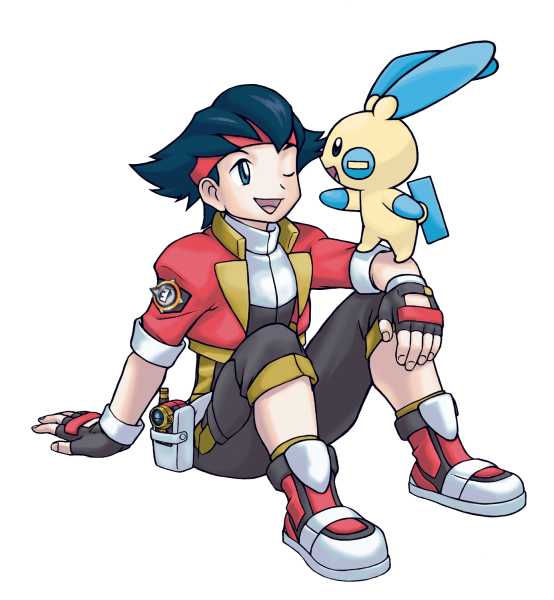
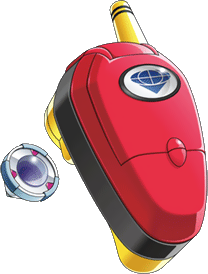
There are 213 Pokémon from the first three generations that can be met and captured at one point of the game or another. Unlike Trainers, Rangers are not allowed to keep any Pokémon they capture other than the one partner Pokémon who will travel with them throughout the game. The partner Pokémon will be either a Plusle, if the player’s character is Solana, or a Minun, if the player’s character is Lunick. Pokémon are captured using the Capture Styler, a device that works much like a remote-controlled spinning top, launching a Capture Disc, and doubles as a Pokémon database much like a Pokédex. This database is referred to as the Browser, or Fiore Browser.
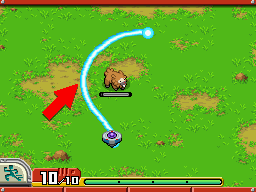
Each Pokémon has a Poké Assist, and many also have a Field Move, which may be useful for capturing other Pokémon or clearing obstacles. A Bulbasaur’s Cross Field Move may be used to bridge a gap. A Water-type Pokémon’s Poké Assist traps another Pokémon in a bubble, holding it still and making it easier to capture. Capturing a Pokémon involves the use of the Styler to create a ring of energy around the Pokémon, which will tame it. How many loops it takes to capture the Pokémon depends on the level of the Pokémon, the level of the Styler, how much power is available to the Styler and the Ranger’s skill level.
Once captured, several Pokémon may travel with you alongside your partner Pokémon. If you capture another Pokémon after your party is full, you will have to decide to either release it or release one of the other temporary Pokémon. Choose wisely, as you never know which Pokémon you will need in the near future. Each temporary Pokémon returns to the wild once it has used its Poké Assist or Field Move, and after the mission is completed, any that are left will return to the wild too. Rangers are not allowed to keep any Pokémon other than their partner between missions.
Notable Pokémon
Legendary Pokémon run from the Regis and the Johto beasts to Kyogre, Groudon, Rayquaza, Deoxys, Celebi and Mew, while Manaphy appears only as an Egg. The most notable Pokémon, with their Browser numbers:
 PlusleR-067
 MinunR-068
 BulbasaurR-001
 KyogreR-208
 GroudonR-209
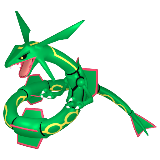 RayquazaR-210
 DeoxysR-211
 MewR-213
 ManaphyEgg only
- Plusle – Solana’s partner (R-067), with the partner-only Discharge Poké Assist.
- Minun – Lunick’s partner (R-068), also using Discharge.
- Bulbasaur – R-001; Grass assist and the Cross Field Move, which spans gaps.
- Kyogre – R-208; first of the post-credits legendary quests, in the Safra Sea.
- Groudon – R-209; found at the Jungle Relic after fighting Kyogre.
- Rayquaza – R-210; the last story capture, at the top of Fiore Temple.
- Deoxys – R-211; the highest National Pokédex number in the Browser, met in a special mission.
- Mew – R-213, the final Browser entry; captured for Professor Hastings’ research.
- Manaphy – Not in the Browser; its Egg is the prize of a special mission and can be sent to Generation IV games.
Setting & Characters
The region of Fiore
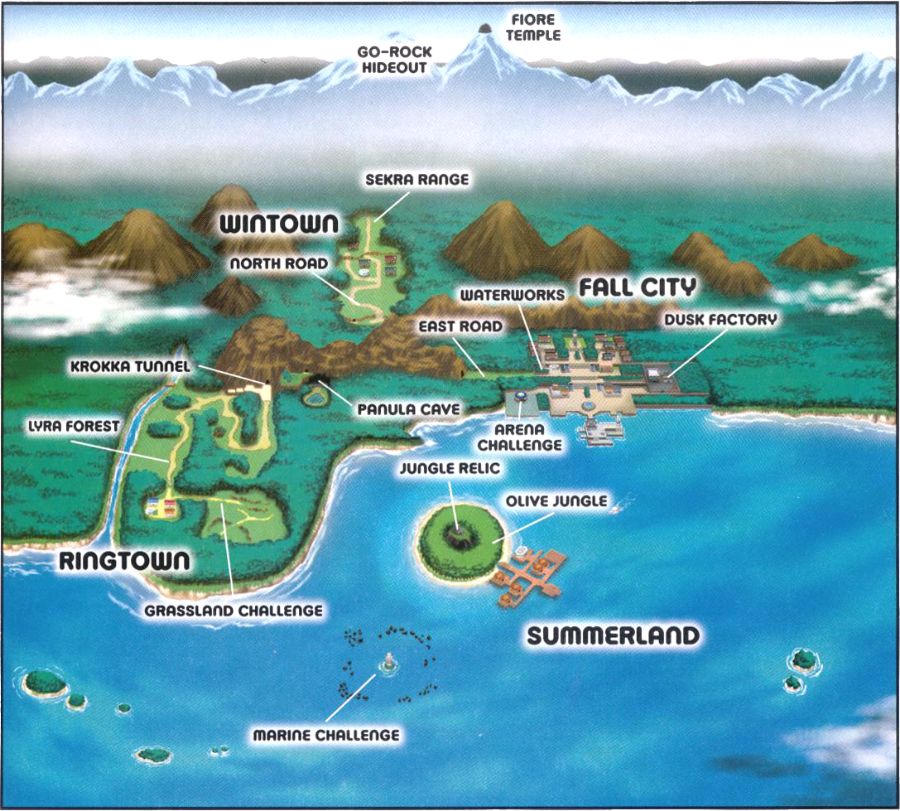
Fiore is a relatively small, mountainous region split into four areas, each with its own city. Each city has a seasonal theme. Ringtown to the west has consistently spring-like weather. Wintown to the north is cold and snowy. To the east is Fall City, whose trees have perpetual gold and red leaves. Summerland is to the south on its own island, surrounded by warm, sandy beaches.
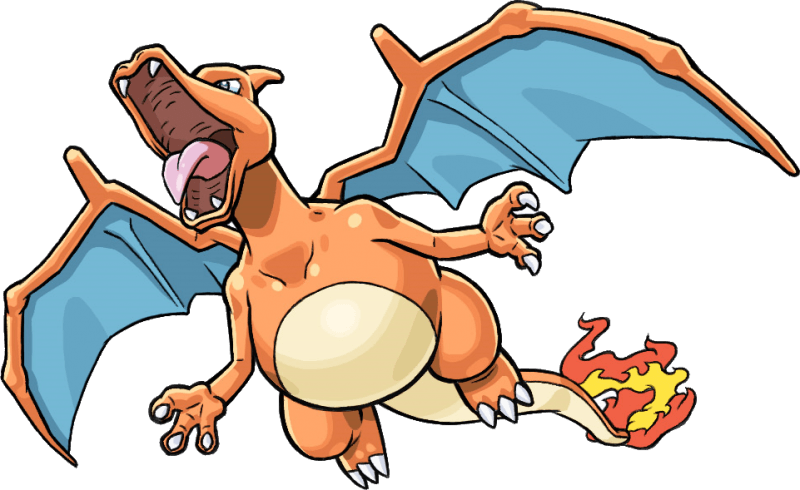
Krokka Tunnel connects Fall City and Ringtown, and also gives access to the coldest spot in Fiore, Panula Cave. This cave is also accessible via a water vehicle called the Aquamole from Summerland’s harbour, and leads to Wintown in the north. To the north of Wintown is the Sekra Range, where an enormous waterfall, the secret headquarters of the Go-Rock Squad, a Styler recharging station, the Shiftree (a tree that is home to five Shiftry) and Fiore Temple can be found. This temple has a door, the Fiery Door, that can only be opened with a Pokémon’s powerful fire attack – a job for the Charizard from the Jungle Relic.
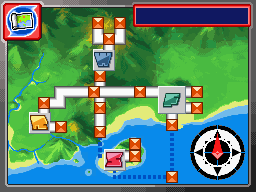

The Jungle Relic
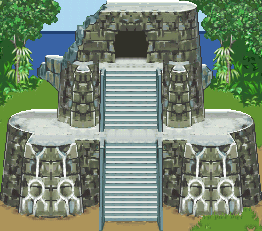
On the island where Summerland is located is Olive Jungle. In the centre of this jungle is a ruin with a statue of Entei, called the Jungle Relic. Here there are four challenges, each with a dragon representing one of four forces: Kingdra (Water), Flygon (Wind), Salamence (Destruction) and Charizard (Fire). According to the Fiore legends, if anyone were to complete all four challenges, a catastrophe would befall Fiore.
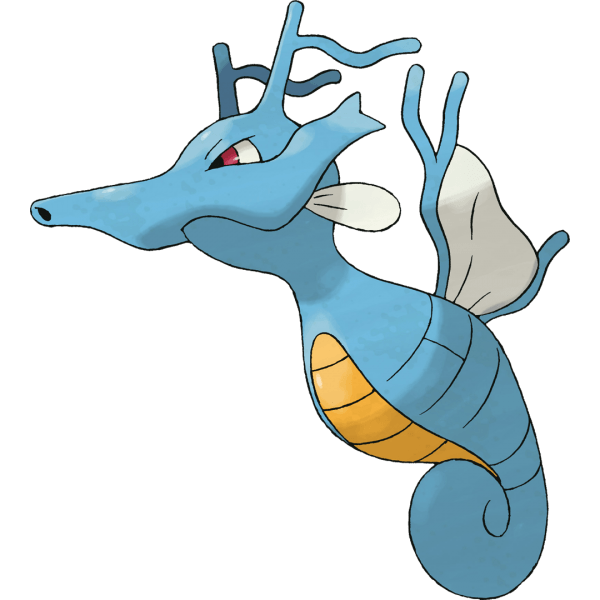
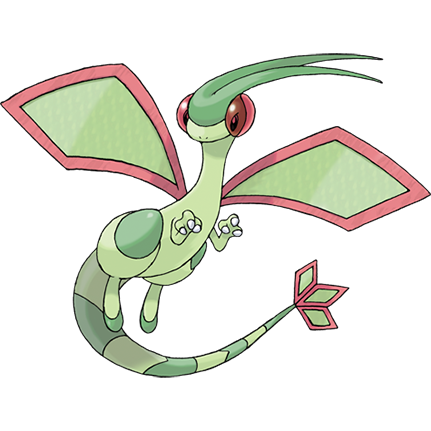
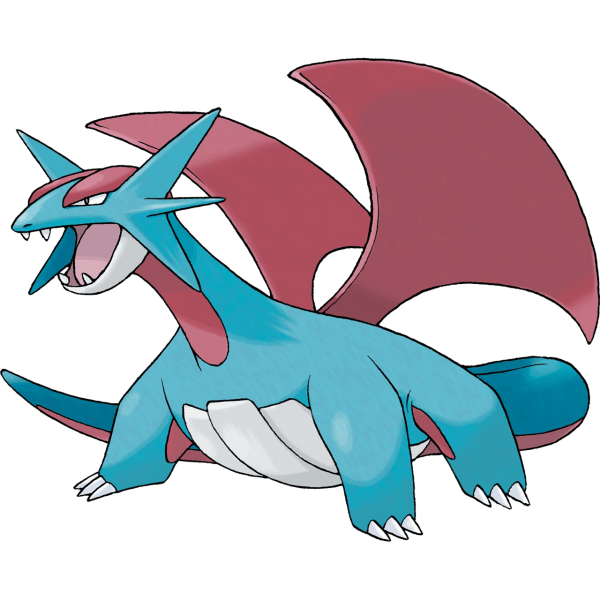
| Challenge | Dragon | Flames | The trial |
|---|---|---|---|
| Destruction | Salamence | Purple | Smash a set of jewels using the right Field Moves, then capture Salamence. |
| Water | Two Kingdra | Blue | Cross a narrow bridge while dodging Gyarados, then capture the pair of Kingdra. |
| Wind | Flygon | Green | Battle along a winding road against strong gusts of wind, then capture Flygon. |
| Fire | Charizard | Red | The Go-Rock Squad tricks the Rangers into this capture, and with all four flames lit, the Entei statue comes to life. |
Characters
The major characters are as follows.
- Lunick (カヅキ Kazuki) / Solana (ヒナタ Hinata) – The new recruit, whichever the player chooses.
- Cameron (カムリ Kamuri) – The Summerland Ranger Base leader. His partner is a Pelipper.
- Elita (エリダ Erida) – She is the Ranger Base leader at Wintown. Her partner is a Skarmory.
- Joel (ジョウ Jō) – The leader of the Ranger Base at Fall City. His partner is a Dodrio.
- Spenser (ハヤテ Hayate) – Leader of the Ringtown Ranger Base. His partner is a Fearow.
- Professor Hastings (シンバラ教授 Shinbara-kyōju, Professor Shinbara) – The Chief of Technology for the Ranger Union.
- Murph (イマチ Imachi) – A rather incompetent but likeable character. He becomes a regular in the series along with Professor Hastings. His partner is a Slowpoke.
The villains – the Go-Rock Squad, its leader Gordor and the Go-Rock Quads – have their own section below.
The Rangers up close
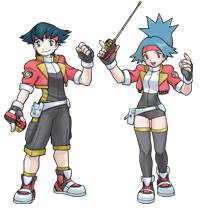
Lunick & Solana
The rookie Rangers of the Ringtown Ranger Base. Lunick is the male option and works with Minun; Solana is the female option and always has Plusle. Whichever one is not picked still appears as a fellow Ranger, and Solana returns in the anime special Pokémon Ranger: Deoxys Crisis!
The Go-Rock Squad
Gordor founded the Go-Rock Squad after breaking away from his old classmate Professor Hastings, when he wanted the Styler used to control Pokémon. His aim is to replace the Rangers with his own Squad and rule Fiore with the legendary beasts. The Squad starts by stealing Hastings’ prototype Super Styler in Krokka Tunnel, copies Stylers at the Dusk Factory, where caged Pikachu and Raichu supply the power, and tests a Power Styler on Entei once it has been woken at the Jungle Relic. The Go-Rock Quads command the Squad from a hidden base in the Sekra Range, and the scheme comes to a head at the top of Fiore Temple, where Gordor’s Super Styler holds Raikou, Suicune and Entei under his control.

Villains: The Go-Rock Squad
The Go-Rock Squad (ゴーゴー団 Gōgō-dan, Team Go-Go) is the local villainous organisation, led by the Go-Rock Quads and their father, who is the leader of the organisation.
Tools: Styler copies made at the Dusk Factory, powered by caged Pikachu and Raichu
A grunt steals Percy’s Politoed in Mission 4, and the Squad later tricks the Rangers into the Jungle Relic’s Fire trial. After Gordor’s defeat, stragglers fail to control Rayquaza at Fiore Temple and leave it raging.

Boss: Gordor
Gordor (ラゴウ Ragō) was Professor Hastings’ classmate and colleague, who always felt second best and became jealous of him. He is the founder of the Go-Rock Squad and father of the Go-Rock Quads. He plays a Styler in the form of an electric organ and commands the three Johto legendary beasts.
Team: Raikou, Suicune, Entei
First met as a lost old man in Lyra Forest. On top of Fiore Temple he sends the three beasts in turn; Plusle and Minun destroy his Super Styler, Entei turns on him and he flees. He returns in the Manaphy Egg special mission to stop his last follower, saying he will make amends.
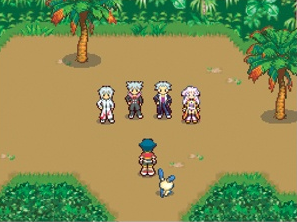
Commanders: The Go-Rock Quads
Billy (ヤライ Yarai) plays a Styler in the form of an electric guitar. His Pokémon are of the Larvitar family.
Garret (ユウキ Yūki) plays a Styler in the form of a bass guitar. His Pokémon are of the Scyther family.
Clyde (ヨウジ Yōji) plays a Styler in the form of a djembe. His Pokémon are of the Slakoth family.
Tiffany (ミライ Mirai) plays a Styler in the form of a violin. Her main Pokémon are Camerupt.
At the Go-Rock Base: Billy: Larvitar, Pupitar, Tyranitar; Garret: two Scizor, two Scyther; Clyde: two Slaking, Slakoth, Vigoroth; Tiffany: two Camerupt
Billy is the eldest and Tiffany the only sister. Tiffany sets a Camerupt on the player in Krokka Tunnel in Mission 5, and Garret’s Scizor guards the Dusk Factory in Mission 7. In Mission 9 all four are beaten in turn at their mountain hideout, which then destroys itself. Once the Squad breaks up, they leave Fiore to make music.
The Squad’s Pokémon
Each of the Quads commands one evolutionary family, while Gordor keeps the three legendary beasts for the finale:
 LarvitarBilly
 PupitarBilly
 TyranitarBilly
 ScytherGarret
 ScizorGarret
 SlakothClyde
 VigorothClyde
 SlakingClyde
 CameruptTiffany
 RaikouGordor
 SuicuneGordor
 EnteiGordor · R-202
Gameplay & Features
Battle Mechanics
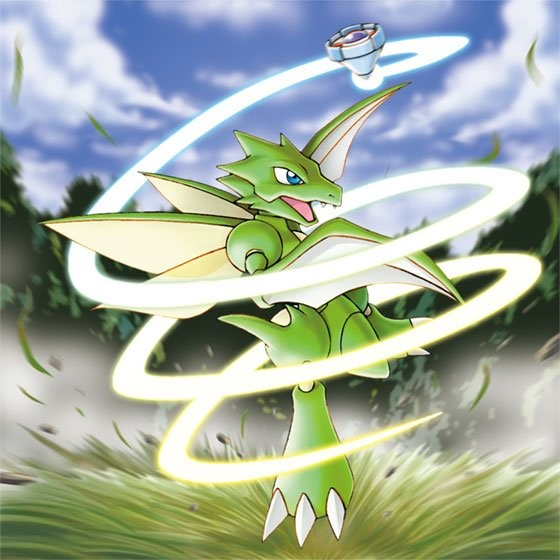
Instead of using Poké Balls, Rangers use a Capture Styler. The player would do this using the stylus to make circles, or ‘loops’, around the target Pokémon. Sometimes there was more than one Pokémon, often of different species, to capture. In this case, the advantage of using one loop to catch all of them, some of them or only one at a time would vary. Poké Assists from the partner Pokémon or a temporary Pokémon could be used to modify the line, strengthen it or affect the Pokémon to be caught.
In-Game Events
Basically, the entire game is a series of in-game events called missions.

Key story missions and their main captures
| Mission | Main capture | Where |
|---|---|---|
| Mission 2: Fall City Case Log | Machoke, trying to wreck the north tower | Fall City |
| Mission 3: Grimer Outbreak! | Muk and several Grimer | Waterworks |
| Mission 4: Where’s Politoed?! | Percy’s stolen Politoed | Jungle Relic |
| Mission 5: Clear the Rockfalls! | Tiffany’s Camerupt | Krokka Tunnel |
| Mission 7: Investigate the Factory! | Garret’s Scizor | Dusk Factory |
| Mission 8: Aquamole to the North | Steelix | Panula Cave |
| Mission 9: Hideout Infiltration | The four Go-Rock Quads and their Pokémon | Go-Rock Base, Sekra Range |
| Mission 10: The Fiore Temple | Raikou, Suicune and Entei | Fiore Temple |
| After the credits | Kyogre, Groudon, then Rayquaza | Safra Sea, Jungle Relic, Fiore Temple |
After Story Missions
After the main story has been resolved, the main credits will roll. After that come three more plot-related missions, to calm Kyogre, Groudon and finally Rayquaza, which must be resolved to complete the game. Special missions are accessed through Ranger Net: holding R + X + Left on the Ranger Net screen brings up a password box, the regional password unlocks the missions, and they can be played after completing the final plot mission. Several legendaries are accessed, including Mew, Celebi and Deoxys, as well as the Manaphy Egg.
The special missions and their passwords
English and European copies hold all four special missions on the cartridge, and each mission opens the next. In Japan they were handed out in 2006 by wireless at shops, Pokémon events and airports, or from a Game Boy Advance cartridge in Slot-2.
Special missions
| Mission | Pokémon | Japanese distribution |
|---|---|---|
| Recover the Precious Egg! | Manaphy Egg | Wireless or a Game Boy Advance cartridge in Slot-2 |
| Gain Deoxys’s Trust?! | Deoxys | Chain stores and Pokémon Centers, 17 June – 31 August 2006 |
| Rescue Celebi! | Celebi | Event venues in Nagoya, Osaka, Yokohama and Makuhari, July – September 2006 |
| Find Mew, the Mirage! | Mew | Tokyo International Forum and eight airports, July – August 2006 |
Ranger Net passwords
| Version | Password |
|---|---|
| North America | P8M2-9D6F-43H7 |
| United Kingdom | Mg35-Cpb8-4FW8 |
| French | DY4g-k28S-QB9F |
| German | R3d4-cv2S-WC7W |
| Spanish | C58f-t3WT-Vn79 |
| Italian | FH38-fwD8-5S2a |
Translations
English, French, German, Italian and Spanish – the European release has all five languages on one cartridge.
Regional Variations
Japan had Pokémon Ranger seven months before North America and more than a year before Europe, and a few things changed along the way:
- Pokémon Ranger came out in Taiwan on the same day as Japan, 23 March 2006.
- South Korea never got a Korean translation: Daewon C.I. sold the Japanese cartridge there from 7 April 2006, the only Daewon-distributed Pokémon DS game that never had a Korean release afterwards.
- Pokémon.com published the American password on 20 January 2007, and GAME stores revealed the European one on 2 June 2007.
- In Japan, the Manaphy Egg mission tied in with the ninth film, Pokémon Ranger and the Temple of the Sea, which stars a Pokémon Ranger and Manaphy.
- Names vary by language: Gordor is Gunther in German, Annibal in French and Mortimer in Italian, Elita is Frida, Nevia and Elena in French, Italian and Spanish, and Lunick is Lunas in German and Helio in Spanish.
Left in the data
- Kalakka Desert: the Japanese and European versions keep a map header for a removed area, with its own unused music track and the description “The temperature here swings far between day and night, and an arid wind blows.”
- Wailord has basic data in an unused slot, but its main data file is missing and it cannot be encountered; Onix and the Castform forms are referenced in files too, and Unown has textures only for its exclamation-mark shape.
- Unused overworld characters include Brendan and May from both Ruby and Sapphire and Emerald, Red, Leaf, Professor Oak, Professor Birch, Lance, Steven, Misty, Brock and Todd Snap.
- Capture Challenge point values exist for Pokémon that appear in neither challenge, including Pikachu, Gloom, Vileplume, Bellsprout, Victreebel, Scyther and Scizor.
- Unused music includes a track that borrows from the Olive Jungle theme and a short jingle for a breaking Capture Styler that was later used in Shadows of Almia.
Videos & media
A collection of Pokémon Ranger videos, including a TV commercial, a trailer and the game’s opening.
The official gameplay trailer.
The intro / opening video, which is essentially a title screen with a nice theme. Must try harder next time!
A US TV commercial.
Trivia & facts
- After the main story is finished, the player will face Kyogre and then Groudon, after the two have engaged in battle at an undisclosed location, before a final mission against Rayquaza. This may be a reference to their battle towards the end of Pokémon Emerald.
- Even though Pokémon Ranger was released before the fourth generation, it is still compatible with all five of its games, so that the Manaphy Egg may be transferred to them. This is similar to the way Pokémon Colosseum was compatible with FireRed and LeafGreen, even though they were not released until later.
- Because Pokémon Ranger was never released in Korean (South Korea only had the Japanese cartridge), the met location shown in Korean games is often given as 다른 지방 dareun jibang (other provinces).
Further trivia
- Before launch the game was often billed as Pokémon Ranger: The Road to Diamond and Pearl (ポケモンレンジャー ダイヤモンド・パールへの道), and GamesRadar’s review still used that title.
- Professor Hastings’ prototype name for the Capture Styler was “The Capture Loopy-Looper”.
- Several Japanese names come from the night sky: Joel from Norma, Cameron from Corona Borealis, Elita from Eridanus, Murph from the 18-day-old moon and Gordor from Rahu, the ascending lunar node of Hindu astronomy.
- Lunick is named after the moon and Solana after the sun, the opposite of Pokémon Sun and Moon, where the boy is linked to the sun. Lunick’s Spanish name, Helio, is almost the same as Elio’s.
- Cameron is the first person in the series known to have found a Manaphy Egg, which washed up on the beach at Summerland.
- The Dusk Factory where the Go-Rock Squad copies the Styler opens with the password 60, and is haunted by Gastly and Haunter.
Legacy
What came after
- Teaser after Pokémon: Lucario and the Mystery of Mew – 16 July 2005. Announced at the end of the eighth film after a hint in CoroCoro Comic’s July 2005 issue.
- Japanese launch – 23 March 2006. Sold 193,337 copies in its first week, second on the chart; released in Taiwan the same day.
- South Korean release (Japanese version) – 7 April 2006. Distributed untranslated by Daewon C.I.
- Japanese special mission distributions – 17 June to 3 September 2006. Deoxys, Celebi and Mew missions given out at shops, Pokémon events and airports.
- Pokémon Ranger and the Temple of the Sea – July 2006 (Japan). The ninth film stars the Pokémon Ranger Jack Walker and Manaphy, tying in with the game’s Manaphy Egg mission.
- North American launch – 30 October 2006. The password for the special missions followed on Pokémon.com on 20 January 2007.
- Australian launch – 7 December 2006
- European launch – 13 April 2007. Released in five languages; GAME revealed the European password on 2 June 2007.
- Pokémon Ranger: Shadows of Almia – 20 March 2008. Japanese release of the sequel, followed by Guardian Signs in 2010.
 Wii U Virtual Console – 25 February 2016. Europe first, then Australia (26 February), Japan (13 April) and North America (21 July 2016); wireless features removed.
- Wii U eShop closes – 27 March 2023. The Virtual Console version can no longer be bought, only redownloaded.
Where to play it today
The original Game Card works on every DS and 3DS model, and it is still the only version that can send the Manaphy Egg to Diamond, Pearl, Platinum, HeartGold or SoulSilver, using two systems and games of the same language. The Wii U Virtual Console release can only be redownloaded by people who bought it before the eShop closed in March 2023.
How it was made
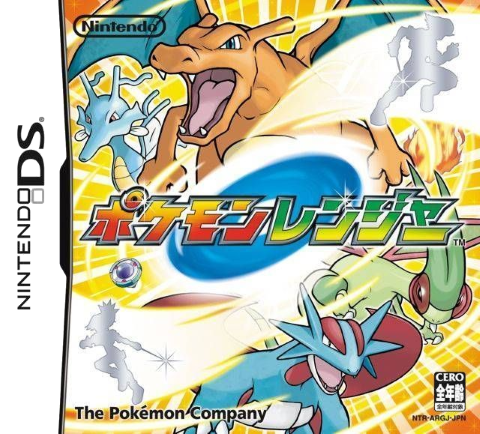
Pokémon Ranger was developed by HAL Laboratory and Creatures Inc., with Hiroyuki Jinnai, Yoichi Yamamoto and Hiroaki Tsuru as producers, a scenario by Toshinobu Matsumiya and Akihito Toda, and music by Takuto Kitsuta and Kinta Sato. CoroCoro Comic’s July 2005 issue first hinted at a new game and film, and the game was formally revealed in a teaser after Pokémon: Lucario and the Mystery of Mew in Japanese cinemas that summer. It reached players months before the Generation IV games and could pass a Manaphy Egg on to them. The Japanese box art and TV advert went up on the official site on 10 February 2006, along with pre-orders that came with a DS card case shaped like the box for Pokémon Daisuki Club members. Famitsu scored it 32/40 a week before release.
Pokémon Ranger elsewhere

Sales & reviews
Sales figures
Despite the criticisms, it still sold 2.70 million copies worldwide by 31 March 2008.
That is Nintendo’s own figure, from the list of million-sellers in its financial results briefing of 25 April 2008. In Japan the game sold 193,337 copies in its first week, second on the chart, and weekly chart figures put it at 737,174 by 31 December 2006. Around 1.19 million copies of the worldwide total were sold in the year from April 2007 to March 2008, 1.18 million of them outside Japan – the year the European version launched.
- 2.70mworldwide (Nintendo, March 2008)
- 737kJapan, 2006
- 193,337Japan, first week
- 69Metacritic
Review scores
The press generally gave Pokémon Ranger mixed reviews. It was praised for its lengthy main quest, graphics and innovation, but criticised for its repetitive play, poor sound quality, lack of a multiplayer mode and lack of challenge for experienced Pokémon players.
- Aggregate scores: GameRankings 70/100 (69.63% from 20 reviews; the site closed in 2019); Metacritic 69/100 from 21 critics.
- Review scores: Eurogamer 5/10; GameSpot 7.5/10 (Greg Kasavin); IGN 7.1/10.
Critics landed in the middle. Most liked the novelty of drawing loops round Pokémon on the touch screen, and GameSpot’s Greg Kasavin highlighted a “Unique capturing system”, a “Good-sized quest” and “Attractive 2D graphics and animation”, though he found the exploration plain and warned that the frantic scribbling could scratch the screen. Japan’s Famitsu panel gave it a steady 8 each. The common complaint was repetition: NGamer called it “narrow-minded and frustrating”, and Eurogamer, at 5/10, objected to the heavy hand-holding of the main story. Nintendo Power felt “Pokémon veterans will breeze through the comparatively light challenge Ranger provides”, while IGN marked it down for its sound, including Game Boy-era cries, and the lack of multiplayer. The keenest reviews came from Nintendo World Report (9/10) and Cubed3, which said it “succeeds where other spin-offs haven’t”.
Awards and honours:
Media & artwork
- Official artwork gallery from Pokémon Ranger – a gallery featuring many of the Pokémon and characters
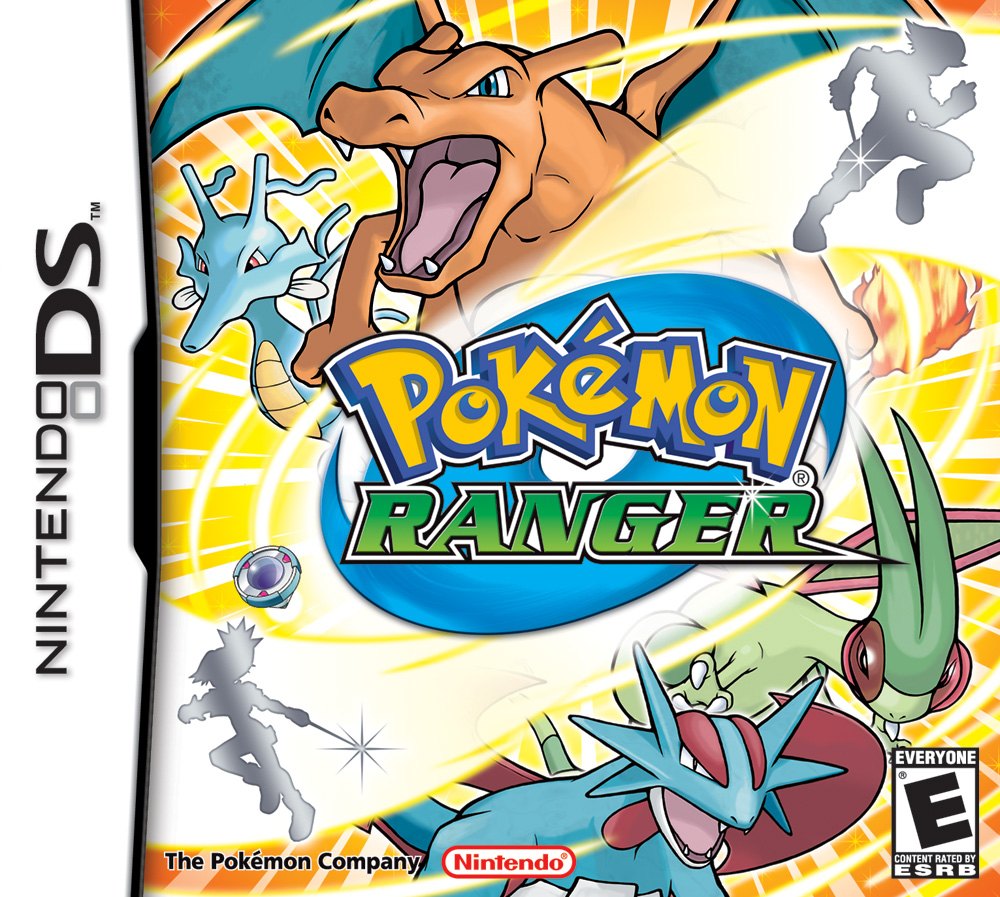
- Box art from Pokémon Ranger, including numerous regional variations and editions
- Screenshots from Pokémon Ranger
Further reading
More Ranger, Sinnoh and DS links on the site: