  |
|
| Titles | Pokémon mini ポケモンミニ (Pokémon Mini) |
| Hardware | Handheld games console with interchangeable Game Paks (model MIN-001); built-in rumble motor, shock sensor, infrared port and real-time clock |
| Developer | Nintendo (hardware) · games by Jupiter, Denyusha and Nintendo |
| Publisher | Nintendo · The Pokémon Company (Japan) |
| Players | 1; up to six linked by infrared (larger groups in Pichu Bros. mini) |
| Genre | Handheld games console; its games cover minigames, puzzles, pinball, cards, racing, adventure and a virtual pet |
| Games | 10 (4 in North America, 5 in Europe, all 10 in Japan) |
| Colours | Wooper Blue · Chikorita Green · Smoochum Purple |
| Screen | 96 × 64 pixel monochrome LCD |
| Size & power | 74 × 58 × 23 mm, 70 g with battery and Game Pak · one AAA battery, about 60 hours |
| Released | 16 November 2001 (North America, Pokémon Center New York) · 14 December 2001 (Japan) · 15 March 2002 (Europe) |
| Last game | 14 December 2002 (Pokémon Breeder mini, Japan) |
| Launch price | US$39.95 with Pokémon Party mini (Pokémon Center New York) · 4,800 yen in Japan, with games at 1,200 yen |
| Re-releases | None; emulated in Pokémon Channel (GameCube, 2003) |
| Rating | Games: ESRB E · ACB G |
| Predecessor | None |
| Successor | None |
| Sales | No official figures; sold poorly outside Japan |
Overview
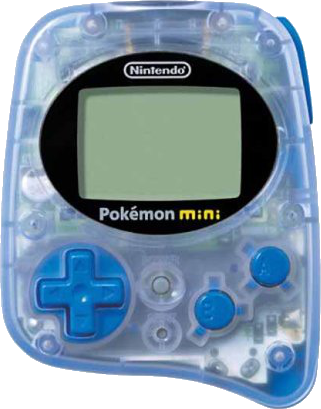
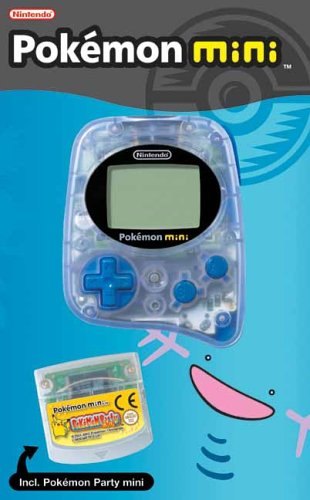
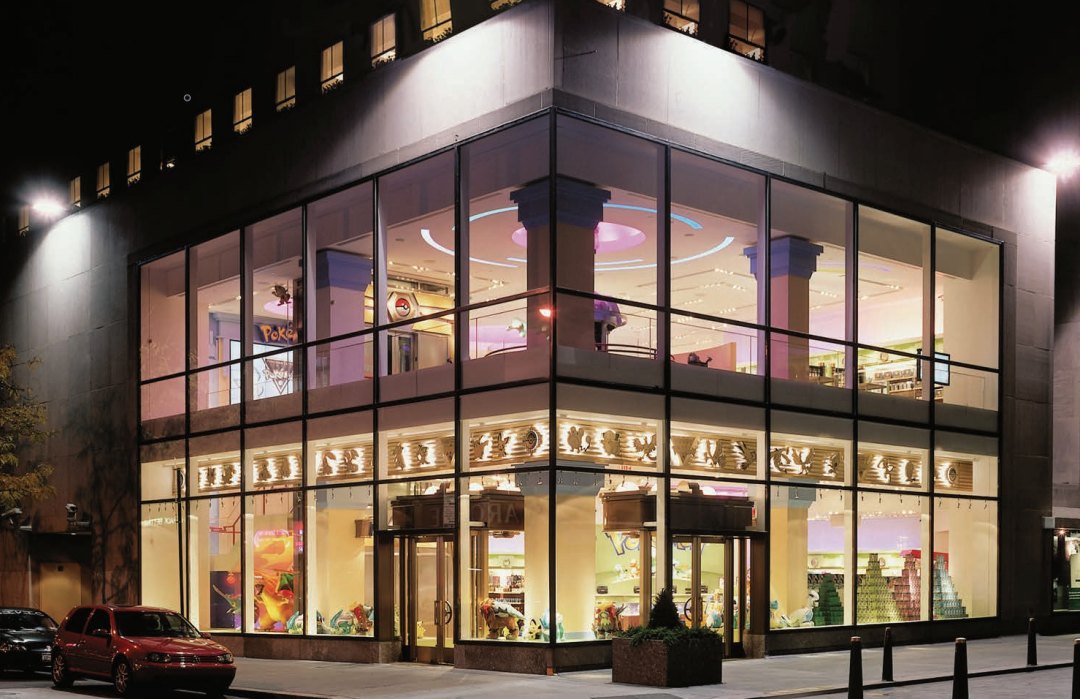 The Pokémon mini is the smallest games console Nintendo has ever made with swappable cartridges, and the only one it built purely for Pokémon. It measures 74 × 58 × 23 mm and weighs about 70 g with a battery and a Game Pak inside, small enough to close a hand around. It went on sale in North America on 16 November 2001, the day Pokémon Center New York opened at Rockefeller Center, then in Japan on 14 December 2001 and in Europe on 15 March 2002. There were three colours, each named after a Johto Pokémon (Wooper Blue, Chikorita Green and Smoochum Purple), and Pokémon Party mini came in the box.
There is far more technology inside the toy-like shell than its size suggests. Alongside a 96 × 64 monochrome screen, a +Control Pad and A, B and C buttons, Nintendo fitted a rumble motor, a shock sensor that notices the console being shaken, an infrared port that links up to six systems and a clock that keeps time with the power off, and the whole thing runs for around 60 hours on one AAA battery. Ten games put those extras to work between 2001 and 2002, made by Jupiter, Denyusha and Nintendo itself: party minigames, single-screen pinball, sliding puzzles, card games, a Tetris that doubles as a hunt for all 251 Pokémon, a platform racer starring Pikachu, a rolling puzzle adventure for Togepi and a virtual pet with the brand-new Hoenn starters.
Few players outside Japan saw more than a handful of them. North America got only the four launch games and Europe five, while the rest stayed in Japan, where the line closed with Pokémon Breeder mini on 14 December 2002, a year to the day after the Japanese launch. Narrow distribution, light marketing and games that felt pricey for their size kept sales low, yet the little machine was ahead of its time: it was the first Nintendo handheld with motion sensing built into the console, and it is still the only one with a rumble motor in the console itself.
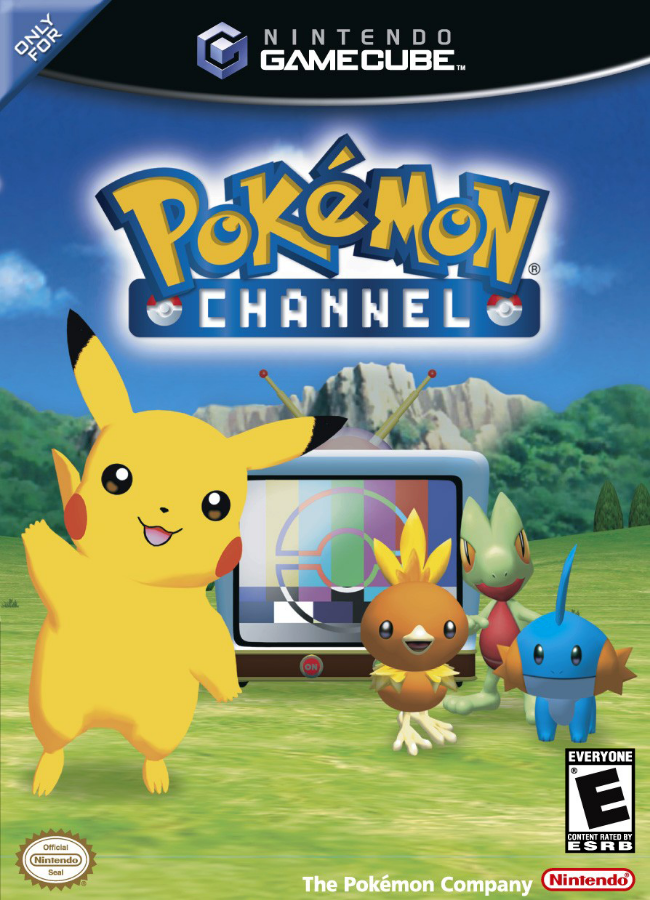
Its afterlife has been surprisingly lively. Pokémon Channel on the GameCube emulated the console in 2003, complete with cut-down versions of several games, and that official emulator helped hobbyists work out what makes the hardware tick. Fan emulators, homebrew games and demos have followed ever since, keeping a console that few people owned alive among collectors and tinkerers. This page covers the hardware and all ten of its games.
So you thought Game Boy Advance was small?
Nintendo’s petite Pokémon system measures just 74mm x 58mm x 23mm – well under half the size of Game Boy Advance.
— Official description
Quick Answers
The questions people ask most about the Pokémon mini, answered first and explained further down the page.
Can you still play the Pokémon mini in 2026?
Only on original hardware or through emulation. Nintendo has never re-released the console or any of its ten games: none is sold digitally and none is on Nintendo Switch Online. Consoles and cartridges still change hands among collectors, and fan-made emulators such as PokeMini run the games on computers and handheld devices. More →
How many Pokémon mini games are there?
Ten official games were released between November 2001 and December 2002. North America got four: Pokémon Party mini, Pinball mini, Puzzle Collection and Zany Cards. Europe had those four plus Pokémon Tetris, and Japan got all ten, including Japan-only games such as Pokémon Race mini, Togepi’s Great Adventure and Pokémon Breeder mini. More →
Are Pokémon mini games on Nintendo Switch?
No. None of the ten has been ported to Switch or added to Nintendo Switch Online. The only official way to play any of them on later hardware is Pokémon Channel for the GameCube, released in 2003 and 2004, which emulates the console with trimmed-down versions of several games and one exclusive, Snorlax’s Lunch Time. More →
How do you get Mew and Celebi in Pokémon Tetris?
Mew and Celebi are in the game, but they only appear while the Pokémon mini is linked to a special infrared transmitter, and Pokémon Center stores in Japan ran events with these transmitters in 2002. Without one, the best anyone can manage is 249 of the 251 Pokémon in the game’s Pokédex. More →
What does the Pokémon mini’s shock sensor do?
It detects the console being shaken or knocked, so a game can treat movement as a control. You shake the system to throw punches in Hitmonchan’s Boxing, flip pieces in Pokémon Tetris, make Pichu jump in Skateboard Pichu and free Togepi from sinkholes. It made the Pokémon mini the first Nintendo handheld with motion sensing inside the console itself. More →
How much did the Pokémon mini cost?
At Pokémon Center New York the console cost US$39.95 with Pokémon Party mini included, and a bundle that added Pinball mini, Puzzle Collection, Zany Cards and a carry case cost US$81.95. In Japan the console was 4,800 yen and each game 1,200 yen. More →
Can the Pokémon mini link to other Pokémon games?
Not to the main series. Its infrared port connects Pokémon mini systems to one another for multiplayer, ghost races and swapping rankings, and Pokémon Breeder mini can also turn the signals from household remote controls into Pokéblocks. No Pokémon mini game sends Pokémon to a Game Boy, a GameCube or any later game. More →
Why did the Pokémon mini fail?
Sales were poor. In North America it was sold only at Pokémon Center New York and on its website, and elsewhere it was often stocked as a toy rather than a games machine. Marketing was light, the games felt expensive for their size and the Game Boy Advance dominated the market, so no new games appeared after December 2002. More →
The hardware: rumble, shock sensor and infrared

For a machine that sits in the palm of a hand, the Pokémon mini carries a remarkable amount of hardware. Nintendo gave it features that its bigger handhelds of the day lacked: a rumble motor inside the console, a sensor that feels it being shaken, an infrared port for wireless play and a clock that keeps running when the power is off. Several games are built around these extras, and the motion sensing and built-in rumble still make the console an oddity in Nintendo’s handheld history.
- 74 mmits longest side
- 96 × 64pixels on the monochrome screen
- 6systems linked by infrared
- 60 hrsof play from one AAA battery
Specifications
| Component | Specification |
|---|---|
| Processor | 8-bit Epson S1C88-based CPU, 4 MHz |
| RAM | 4 KB, shared with video |
| BIOS | 4 KB internal ROM |
| Save memory | 8 KB EEPROM in the console |
| Screen | 96 × 64 pixel monochrome LCD, about 30 fps |
| Sound | Single-channel square wave, three volume levels |
| Inputs | +Control Pad, A, B, C and power buttons; shock sensor |
| Extras | Rumble motor, infrared port (about 1 m), real-time clock |
| Cartridge capacity | Up to 2 MB addressable; commercial games under 512 KB |
| Power | 1 × AAA battery, about 60 hours |
| Size and weight | 74 × 58 × 23 mm; 70 g with battery and Game Pak |
| Colours | Wooper Blue, Chikorita Green, Smoochum Purple |
Three colours
Each colour takes its name from a Johto Pokémon: Wooper Blue, Chikorita Green and Smoochum Purple. The Wooper Blue console and its box are pictured at the top of the page, and these are the other two:


Controls and linked play
The ten games
Ten games came out for the Pokémon mini in just over a year, from the four launch titles of November 2001 to Pokémon Breeder mini in December 2002. Jupiter made six of them, Denyusha three and Nintendo one, and in Japan every Game Pak cost 1,200 yen. Only the first four reached North America, Europe added just Pokémon Tetris, and the last five never left Japan, so the English names used here for those five are translations rather than official titles.
| Game | Developer | Japan | North America | Europe |
|---|---|---|---|---|
| Pokémon Party mini | Denyusha | 14 December 2001 | 16 November 2001 | 15 March 2002 |
| Pokémon Pinball mini | Jupiter | 14 December 2001 | 16 November 2001 | 15 March 2002 |
| Pokémon Puzzle Collection | Jupiter | 14 December 2001 | 16 November 2001 | 15 March 2002 |
| Pokémon Zany Cards | Denyusha | 14 December 2001 | 16 November 2001 | 15 March 2002 |
| Pokémon Tetris | Nintendo | 21 March 2002 | – | 2002 |
| Pokémon Puzzle Collection Vol. 2 | Jupiter | 26 April 2002 | – | – |
| Pokémon Race mini | Jupiter | 19 July 2002 | – | – |
| Pichu Bros. mini | Denyusha | 9 August 2002 | – | – |
| Togepi’s Great Adventure | Jupiter | 18 October 2002 | – | – |
| Pokémon Breeder mini | Jupiter | 14 December 2002 | – | – |
Pokémon Party mini

| At a glance | |
|---|---|
| Japanese title | ポケモンパーティミニ (Pokémon Pātī Mini) |
| Released | 16 November 2001 (North America) · 14 December 2001 (Japan) · 15 March 2002 (Europe) |
| Regions | North America, Japan, Europe and Australia; packed in with the console at launch |
| Genre | Minigame collection |
| Developer | Denyusha |
| Rating | ESRB E · ACB G |
The pack-in game doubles as a tour of what the hardware can do. Denyusha’s six short score-chasing events use the buttons, the rumble motor and the shock sensor in turn, so between them they show off nearly every trick the console knows.
Battlefield mode turns the single-player events into a contest for two to six linked players. The cartridge works as a gadget, too: Celebi’s Clock shows the date and time, sets an alarm and runs a stopwatch, and can be set to start up straight away whenever the console is switched on. Three of the events were later recreated inside Pokémon Channel on the GameCube.
- Pikachu’s Rocket Start: a sprint that begins on Elekid’s rumble signal, so a quick reaction is everything.
- Slowking’s Judge: call the tennis balls in or out.
- Chansey’s Dribble: steer Chansey through a football dribbling run.
- Bellossom’s Dance: copy the dance moves, jumping with a shake of the console.
- Hitmonchan’s Boxing: frantic shaking throws punches, until a rumble warns that Machop is about to hit back.
- Sneasel’s Fake Out: a two-player basketball game of bluffing.
 PikachuPikachu’s Rocket Start
 ElekidRumble starting signal
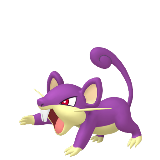 Rattata#019
 Eevee#133
 SlowkingSlowking’s Judge
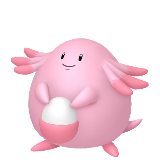 ChanseyChansey’s Dribble
 BellossomBellossom’s Dance
 HitmonchanHitmonchan’s Boxing
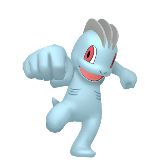 MachopBoxing opponent
 SneaselSneasel’s Fake Out
 CelebiCelebi’s Clock
Pokémon Pinball mini
| At a glance | |
|---|---|
| Japanese title | ポケモンピンボールミニ (Pokémon Pinbōru Mini) |
| Released | 16 November 2001 (North America) · 14 December 2001 (Japan) · 15 March 2002 (Europe) |
| Regions | North America, Japan, Europe and Australia |
| Genre | Pinball puzzle |
| Developer | Jupiter |
| Stages | 90 |
Don’t expect a full table. Jupiter’s Pinball mini is a run of single-screen trick shots with no flippers at all, and it plays nothing like the Game Boy Color’sPokémon Pinball, which Jupiter had worked on. The ball is launched by a Pokémon acting as the plunger, and each stage asks you to drop a ball into every hole, reach a target score or catch a wandering Pokémon by knocking down its HP, always against the clock. Bumpers, Ditto, breakable blocks, Pichu catchers, water and gravity arrows clutter the screens.
The 70-stage Quest hands out new launchers as you progress, each with its own shot, and four capture stages make a walking Pokémon the target. Finishing Quest adds Poliwag and Wobbuffet to the title screen, and Time Attack and Score Attack add ten stages each, for 90 in all.
- Diglett: the plunger you start with.
- Pikachu: joins at level 10 and fires at a random angle.
- Wobbuffet: joins at level 20 and hits hard but slowly.
- Clefairy: joins at level 30 and can be aimed with the +Control Pad.
- Poliwag: joins at level 40 and is quick but weak.
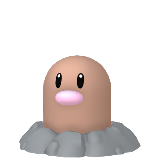 DiglettFirst plunger
- PikachuPlunger, level 10
 WobbuffetPlunger, level 20
 ClefairyPlunger, level 30
 PoliwagPlunger, level 40
 DittoStage obstacle
 PichuBall catcher
Pokémon Puzzle Collection

| At a glance | |
|---|---|
| Japanese title | ポケモンパズルコレクション (Pokémon Pazuru Korekushon) |
| Released | 16 November 2001 (North America) · 14 December 2001 (Japan) · 15 March 2002 (Europe) |
| Regions | North America, Japan, Europe and Australia |
| Genre | Puzzle |
| Developer | Jupiter |
| Puzzles | 80, in four modes |
Jupiter squeezed 80 puzzles onto one of these tiny cartridges: four types, each with five levels of four stages. Every solved puzzle rewards a Pokémon picture for the Mini Dex, which runs from Bulbasaur to Ho-Oh, and the last of the four puzzle types stays locked until 30 of those pictures have been collected.
- Motion Puzzle: a sliding-tile picture puzzle in which the Pokémon keeps moving while you put it back together.
- Shadow Puzzle: arrange the shapes to fill a Pokémon’s silhouette.
- Rescue Mission: slide the blocks aside to clear a trapped Pokémon’s path to a hole.
- Power On: slide wire tiles to connect Pikachu to a light bulb; it opens after 30 Mini Dex entries.
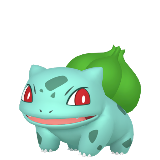 Bulbasaur#001
 Charmander#004
 Squirtle#007
- PikachuPower On
 Mew#151
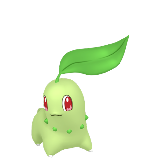 Chikorita#152
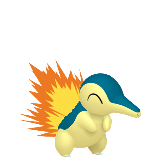 Cyndaquil#155
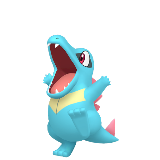 Totodile#158
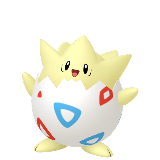 Togepi#175
 Ho-Oh#250
Pokémon Zany Cards

| At a glance | |
|---|---|
| Japanese title | ポケモンアニメカード大作戦 (Pokémon Anime Kādo Daisakusen, “Pokémon Anime Card Great Strategy”) |
| Released | 16 November 2001 (North America) · 14 December 2001 (Japan) · 15 March 2002 (Europe) |
| Regions | North America, Japan, Europe and Australia |
| Genre | Card games |
| Developer | Denyusha |
| Players | Up to five in Wild Match and Special Seven; two in Card Duel |
Denyusha’s Zany Cards deals out four card games with a Pokémon-themed deck of clubs, diamonds, hearts and spades. Its Japanese name, Pokémon Anime Card Daisakusen, points to the anime cast who turn up in its dialogue, Brock and Ritchie among them, and it is one of the wordiest games on the console.
- Wild Match: a fishing game in which matching cards from the table, and collecting sets of Pokémon such as the Johto starters or the legendary birds, earns coins.
- Special Seven: a shedding game in which event cards change the flow: Gengar makes the next player draw three, Jigglypuff skips a turn, and Snorlax or Wobbuffet reverse the order of play.
- Card Duel: a higher-card battle for two players, played only over infrared.
- Four Kings: a patience game in the style of Calculation, in which each of the four piles is capped by a Magikarp king.
 MagikarpKing in Four Kings
 SnorlaxReverses play
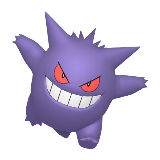 GengarDraw three
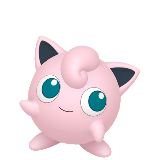 JigglypuffSkip a turn
- WobbuffetReverses play
 MeowthEvent card
- Ditto#132
- Pikachu#025
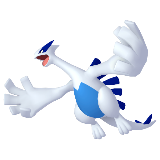 Lugia#249
- Ho-Oh#250
Pokémon Tetris

| At a glance | |
|---|---|
| Japanese title | ポケモンショックテトリス (Pokémon Shokku Tetorisu, “Pokémon Shock Tetris”) |
| Released | 21 March 2002 (Japan) · 2002 (Europe) |
| Regions | Japan and Europe; rated by the ESRB but never released in North America |
| Genre | Puzzle |
| Developer | Nintendo |
| Pokémon | 251 (249 without the event) |
The only one of the ten games that Nintendo made in-house, Pokémon Tetris turns the puzzle classic into a Pokédex to fill. Its Japanese title, Pokémon Shock Tetris, comes from the shock sensor, and while you stack and clear lines, a Pokémon silhouette waits beside the well for a limited time.
In normal play 249 of the game’s 251 Pokémon can be caught. Mew and Celebi only appeared while the console was linked to infrared transmitters at Pokémon Center events in Japan in 2002, so finishing the Pokédex without one of those events is impossible.
- Catching: clear four lines at once while a silhouette is showing to catch that Pokémon; a five-line clear guarantees one you haven’t caught yet.
- Shake to flip: shaking the console turns most pieces through 180 degrees.
- Modes: Standard, 20 Lines and Pyramid, plus a two-player VS mode over infrared.
- Difficulty: five settings, the hardest of which add five-block pieces; Hyper and Master open up once 100 and 200 species are registered.
- MewInfrared event only
- CelebiInfrared event only
 JynxOriginal design
- Pikachu#025
Pokémon Puzzle Collection Vol. 2

| At a glance | |
|---|---|
| Japanese title | ポケモンパズルコレクションVol.2 (Pokémon Pazuru Korekushon Vol. 2) |
| Released | 26 April 2002 (Japan) |
| Regions | Japan only; rated by the ESRB as Pokémon Mini Puzzle Collection Vol. 2 but never released in North America |
| Genre | Puzzle |
| Developer | Jupiter |
| Puzzles | 96, in four modes |
Jupiter’s Japan-only sequel keeps two puzzle types from the first collection, with new pictures, and adds two more. Each mode starts with 20 puzzles over five levels, and clearing all 80 opens four bonus puzzles in every mode, for 96 in total. Solved puzzles fill the Mini Dex again, this time with Pokémon ranging from Shellder and Xatu to Steelix and Scizor.
- Motion Puzzle: back with a fresh set of animated Pokémon pictures to unscramble.
- Shadow Puzzle: returns as an unlockable after 30 completed puzzles.
- Pick-Up Puzzle: collect every Poké Ball on the grid, moving only in straight lines and never doubling back.
- Stretch Puzzle: extend bars by set lengths until every gap in the grid is filled.



 Shellder#090
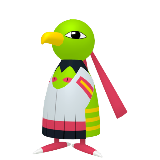 Xatu#178
 Politoed#186
 Mr. Mime#122
- Gengar#094
 Kabuto#140
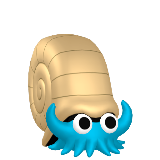 Omanyte#138
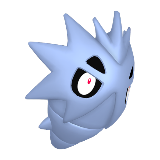 Pupitar#247
 Misdreavus#200
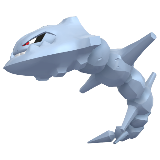 Steelix#208
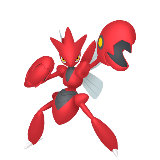 Scizor#212
 Staryu#120
Pokémon Race mini

| At a glance | |
|---|---|
| Japanese title | ポケモンレースミニ (Pokémon Rēsu Mini) |
| Released | 19 July 2002 (Japan) |
| Regions | Japan only |
| Genre | Racing platformer |
| Developer | Jupiter |
| Courses | 16, two at each of eight locations |
Pokémon Race mini is a side-scrolling platform racer in which Pikachu runs, leaps and climbs through three-lap races against one rival Pokémon at a time. Its 16 courses come in pairs at eight locations from Kanto and Johto, and each rival has a trick suited to its home track. Holding B builds up a charged dash, available once per lap, that can fling Pikachu onto routes it could not otherwise reach. It is a regular pick for the console’s best game in later retrospectives.
- Grand Prix: four cups of rising difficulty.
- Challenge: 24 timed stages.
- Time Attack: chase your best laps.
- Ditto Battle: race up to five saved ghost runs, and swap ghosts and rankings with friends over infrared.
The eight rivals, each with its own pair of courses:
| Rival | Home courses | Its trick |
|---|---|---|
| Pichu | Viridian Forest | Small enough to squeeze into tight spaces |
| Sandshrew | Mt. Moon | Keeps its full speed through sand |
| Diglett | Diglett’s Cave | Slips through small passages, but cannot jump at all |
| Wooper | Route 12 | Water does not slow it down |
| Magnemite | Power Plant | Clings to walls and moves without friction |
| Chikorita | National Park | Runs through grass without losing speed |
| Natu | Ruins of Alph | Jumps higher than the other racers |
| Ditto | Goldenrod City | Climbs walls easily and can transform into Pikachu |
- PikachuYour racer
- Pichu#172
 Sandshrew#027
- Diglett#050
 Wooper#194
 Magnemite#081
- Chikorita#152
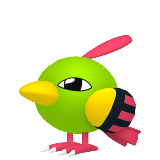 Natu#177
- Ditto#132
Pichu Bros. mini

| At a glance | |
|---|---|
| Japanese title | ピチューブラザーズミニ (Pichū Burazāzu Mini, “Pichu Brothers mini”) |
| Released | 9 August 2002 (Japan) |
| Regions | Japan only |
| Genre | Minigame collection |
| Developer | Denyusha |
| Minigames | 6 |
Denyusha’s Japan-only follow-up to Party mini stars the Pichu Brothers, the pair who made their debut in the anime short Pikachu & Pichu: a sensible older brother and his impulsive, playful younger sibling, who lead a gang of young Pokémon friends in Big Town. Its six minigames are built around that gang, and several of them lean on the shock sensor. Most events keep a top-three ranking, a Battlefield mode sets score targets for large linked groups, and Celebi’s Clock returns with a stopwatch, this time with Pikachu, Wooper and Celebi animating the time display.
- Skateboard Pichu: an endless run in which a shake makes Pichu hop over obstacles.
- Magby: use Magby’s flames to steer a hot-air balloon down onto an island.
- Hoppip Jump: one well-timed press of the C button launches Hoppip skywards.
- Teddiursa: shake as fast as you can to help Teddiursa gobble fruit.
- Smoochum: kiss the Diglett as they pop out of three holes.
- Cubone: a bone-throwing duel against the computer or a second player.
- PichuThe Pichu Brothers
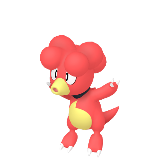 MagbyBalloon ride
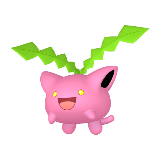 HoppipHoppip Jump
 TeddiursaFruit feast
 SmoochumKissing game
- DiglettPops up for Smoochum
 CuboneBone duel
- PikachuClock screen
- WooperClock screen
- CelebiCelebi’s Clock
Togepi’s Great Adventure

| At a glance | |
|---|---|
| Japanese title | トゲピーのだいぼうけん (Togepī no Daibōken, “Togepi’s Great Adventure”) |
| Released | 18 October 2002 (Japan) |
| Regions | Japan only |
| Genre | Puzzle action |
| Developer | Jupiter |
| Towers | 3, with 20, 80 and 99 areas |
The console’s only real adventure starts when a wild Fearow snatches Togepi and carries it to its nest at the top of a tower. Leaving the nest, Togepi trips and tumbles down the stairs, and you have to roll it all the way to the bottom of this first tower, the 20-area Tower of Origin. No sooner is it out than a Donphan sends it flying onto the summit of the 80-area Tower of Adventure, and after that escape a wild Hypno puts it to sleep with Hypnosis and carries it off to the Tower of Ordeal, the biggest of the three with 99 areas.
Fall into a hole or water and Fearow swoops in to carry Togepi back to the start of the stage. Pokémon such as Diglett, Koffing, Voltorb and Poliwag get in the way, and a boss-like Charizard takes aim at Togepi and can knock it a long way across the floor, undoing careful progress.
- Momentum controls: Togepi is steered only with the +Control Pad and keeps rolling until it is pushed the opposite way, so every move needs planning.
- Timed stages: from a couple of seconds to more than two minutes, each with one to five floors to clear.
- Hazards: holes, water, ice, sticky walls, cracked tiles that give way at speed and sinkholes that take a shake of the console to escape.
- Switches and tiles: arrow tiles, speed tiles, number switches, checkpoint switches and moving platforms complicate the later stages.
- TogepiThe hero
 FearowTower of Origin
 DonphanTower of Adventure
 HypnoTower of Ordeal
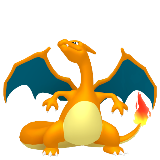 CharizardBoss-like hazard
- Diglett#050
- Jigglypuff#039
 Marill#183
 Koffing#109
- Omanyte#138
- Pichu#172
- Poliwag#060
 Voltorb#100
Pokémon Breeder mini
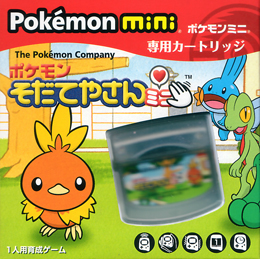
| At a glance | |
|---|---|
| Japanese title | ポケモンそだてやさんミニ (Pokémon Sodateyasan Mini, “Pokémon Day-Care Man mini”) |
| Released | 14 December 2002 (Japan) |
| Regions | Japan only |
| Genre | Virtual pet |
| Developer | Jupiter |
| Pokémon to raise | Treecko, Torchic or Mudkip |
The last Pokémon mini game is a virtual pet with a Hoenn flavour. It came out less than a month afterPokémon Ruby and Sapphirelaunched in Japan, and it is the only game on the console tied to the third generation. After setting the clock and choosing a name, you accept an egg from Professor Birch and hatch it by rubbing it back and forth, revealing Treecko, Torchic or Mudkip. With help from Birch’s daughter May you then raise it in real time: it needs feeding, play and sleep, and switching off the light helps it recover energy faster.
Toys such as a feather, a bubble wand, a piano and a remote-control car, outdoor climbing and rhythm games, and walks that unlock a new toy every kilometre all build up four skills: love, strength, intellect and beauty. Once three of the four have peaked, your Pokémon leaves to join a Trainer, you receive a photo of the new partners together and a fresh egg arrives to start the cycle again. It is a pocket-sized cousin of thePokémon Pikachuvirtual pets.
- Pokéblocks: five colours, each boosting particular skills; one can be collected every three hours from an infrared signal, and even a TV remote will do.
- Eighteen Trainers: six for each species, any of whom may become your Pokémon’s new partner.
- Window visitors: twelve possible visitors for each Pokémon, collected in a gallery.
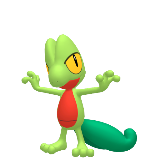 TreeckoHoenn Grass starter
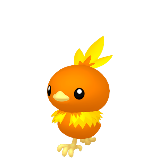 TorchicHoenn Fire starter
 MudkipHoenn Water starter
Pokémon
Pokémon run through every game on the console, and almost all of them come from the first two generations. Pokémon Tetris has much the biggest roster, all 251 species known at the time, two of them only through an event. Puzzle Collection hides 80 Pokémon pictures for its Mini Dex and its sequel adds another set, while Race mini, Pinball mini and the two minigame collections give individual species abilities of their own. Pokémon Breeder mini is the only game to reach into the third generation, and even the console’s colours are named after Wooper, Chikorita and Smoochum.
Pikachu is the nearest thing the console has to a mascot. It is the runner in every Race mini course, sprints in Party mini’s Rocket Start, serves as one of Pinball mini’s plungers, lights the bulb in Puzzle Collection’s Power On puzzles and helps animate the clock in Pichu Bros. mini. Some of the faces that turn up most:
- PikachuRacer, sprinter and plunger
- CelebiCelebi’s Clock; Tetris event
- MewTetris event Pokémon
- WooperWooper Blue; Race mini rival
- ChikoritaChikorita Green; Race mini rival
- SmoochumSmoochum Purple; Pichu Bros. mini
- PichuPichu Bros. mini; Pinball catcher
- TogepiHero of Great Adventure
- DiglettPlunger and Race mini rival
- SnorlaxZany Cards; Snorlax’s Lunch Time
- TreeckoRaised in Breeder mini
- MagikarpKing card in Four Kings
Regional Variations
Japan got the whole Pokémon mini story; everywhere else saw a slice of it:
- North America stopped at the four launch games and Europe added only Pokémon Tetris. Puzzle Collection Vol. 2, Race mini, Pichu Bros. mini, Togepi’s Great Adventure and Breeder mini were never released outside Japan.
- In North America the console was at first sold only at Pokémon Center New York. From 19 November 2001, three days after the launch, the PokémonCenter.com online store opened it up to buyers across North America.
- In Japan the console went on sale through a selected group of retailers, and a cheaper stand-alone version without Pokémon Party mini followed later.
- Two games changed their names abroad: Pokémon Anime Card Daisakusen became Pokémon Zany Cards, and Pokémon Shock Tetris became plain Pokémon Tetris.
- In the Japanese version of Pinball mini, pressing A on the title screen makes the ball jump higher.
- Pokémon Channel’s Japanese edition carries ten Pokémon mini games but the Western editions only six: the cut-down versions of Japan-only games were dropped, and Pikachu’s Rocket Start was added in their place.
Trivia & facts
- The Pokémon mini is the smallest system with interchangeable cartridges that Nintendo has ever made, and its Game Paks are roughly the size of a 500-yen coin.
- The ESRB rated two games that never came out in North America: Pokémon Tetris, listed as Pokémon Mini Shock Tetris, and Puzzle Collection Vol. 2, listed as Pokémon Mini Puzzle Collection Vol. 2.
- Pokémon Tetris was the last game to show Jynx with its original dark skin, before the Pokémon was recoloured.
- Hidenori Kusaka, the writer of the Pokémon Adventures manga, mentioned in the author’s note of the 13th Japanese volume that he had been playing Pokémon Tetris, and he had good things to say about it.
- Zany Cards’ English script has a couple of slips: when Brock talks about Nurse Joy she becomes “Ms Joy”, and Ritchie’s name is misspelt “Ricky”.
-
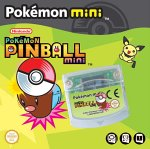
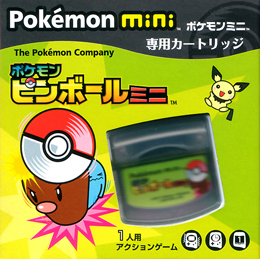
Pinball mini’s English box. Clearing a capture stage in Pokémon Pinball mini plays a remix of the capture jingle fromPokémon Red and Blue.
- Snorlax’s Lunch Time, the one Pokémon mini game made only for Pokémon Channel, borrows a remix of Snorlax’s theme from Zany Cards for its title music.
-
Pokémon Center New York. Pokémon Center New York launched the console alongside other Grand Opening exclusives, including a Pokémon Center New York edition Game Boy Advance and a pin limited to 3,000 numbered pieces.
- Pokémon Channel’s official emulator helped hobbyists reverse-engineer the console, and fan emulators have since appeared for PC, the Dreamcast, the Nintendo 3DS and the Analogue Pocket.
- Homebrew for the Pokémon mini now outnumbers its ten official games, from demoscene showpieces such as SHizZLE to small games including Sonic Arena, PokeSnake and SOKOmini.
Legacy
What came after
- Pokémon Breeder mini, the last game – 14 December 2002. It closed the ten-game library exactly a year after the Japanese launch
- Pokémon Channel (Japan) – 18 July 2003. The GameCube game includes an official Pokémon mini emulator with ten mini games
- Pokémon Channel (North America) – 1 December 2003. The international version, with six Pokémon mini games
- Pokémon Channel (Europe) – 1 April 2004. The emulated console reaches European players
- Pokémon Center New York closes – 19 January 2005. The store where the console launched reopened as Nintendo World in May 2005
- SHizZLE shown at Breakpoint – 2005. A homebrew demo that drew wide attention to how much more the hardware could do
Where to play it today
No new Pokémon mini hardware or games have appeared since December 2002, and as of October 2026 Nintendo has never re-released the console or any of its games: there are no ports, no digital versions and nothing on Nintendo Switch Online. Playing officially means tracking down original consoles and cartridges on the second-hand market, where boxed systems and the Japan-only games fetch collector prices. Pokémon Channel on the GameCube still offers cut-down versions of several games, and fan-made emulators such as PokeMini run the whole library on modern hardware, along with fan translations of the Japan-only titles.
How it was made
Nintendo designed the Pokémon mini as a dedicated Pokémon device, pitched somewhere between a games system and a toy. It is built around an 8-bit Epson S1C88-family processor running at 4 MHz, with 4 KB of RAM shared with the display, and it plays cartridges not much bigger than a coin. The console was unveiled at the European Computer Trade Show in London, held from 2 to 4 September 2001, and launched in North America ahead of Japan, timed to the opening of Pokémon Center New York.
Three studios made the games. Nintendo produced Pokémon Tetris itself; Jupiter, which had worked on Pokémon Pinball for the Game Boy Color and would later make Pokémon Picross, created Pinball mini, both Puzzle Collections, Race mini, Togepi’s Great Adventure and Breeder mini; and Denyusha produced Party mini, Zany Cards and Pichu Bros. mini. In Japan the console and its games were released by The Pokémon Company. A service for rewriting games onto a special ROM cartridge was also planned, but it never went into operation.
The Pokémon mini elsewhere

Sales & reception
Sales and prices
Neither Nintendo nor The Pokémon Company has ever published sales figures for the Pokémon mini, but it clearly sold poorly in the West. North American buyers could only get it from Pokémon Center New York or its website, where the console cost US$39.95 with Pokémon Party mini, or US$81.95 in a bundle with Pinball mini, Puzzle Collection, Zany Cards and a carry case. No more games followed the four launch titles there, and unsold stock was later heavily discounted and lingered in bargain bins for years. In Japan the console cost 4,800 yen and each game 1,200 yen, and the line lasted exactly a year, from December 2001 to December 2002.
- US$39.95console with Party mini in New York
- US$81.95bundle with three more games and a case
- 10games released in Japan in one year
- 4games released in North America
What the press said later
Looking back, the press has been fond of the little console. In Nintendo Life’s Hardware Classics feature, Damien McFerran noted that “the Pokémon Mini was marketed as a plaything rather than a console” and called Pokémon Tetris “arguably the console’s best piece of software”, though he had little time for Pinball mini. Mike Diver of VICE reminded readers that this was a proper cartridge console, Nintendo’s smallest ever, and singled out Pokémon Race mini as “one of the true jewels” of its small library.
Retrospectives treat the Pokémon mini as a charming curiosity rather than a lost classic. Nintendo Life found it a robust little system with clever extras such as rumble and shake detection, but argued that poor marketing, toy-shop placement and pricey games left it commercially viable for only about twelve months. Its pick was Pokémon Tetris and its wooden spoon Pinball mini, while VICE preferred Race mini, and Retro Dodo’s 2022 ranking of the best Pokémon mini games put Race mini first and Tetris second. The shared view is that the hardware was more inventive than its small, Japan-heavy library could show, and that the console’s obscurity is now a large part of its appeal to collectors.
Further reading
More Pokémon handhelds, gadgets and spin-offs on the site: