  |
|
| Games on this page | 7 Sega Pico:Catch the Numbers! (2002) · I’ve Begun Hiragana and Katakana! (2003) · Pico for Everyone Pokémon Loud Battle! (2004) Advanced Pico Beena:Pokémon Number Battle! (2005) · Letter and Number Intelligence Game (2006/2007) · Search for Pokémon! Adventure in the Maze! (2009) · Big Sports Meet! (2010) |
| Hardware | Sega Pico (sold in Japan as the Kids Computer Pico) · Advanced Pico Beena and Beena Lite |
| Makers | Published by Sega Toys, which developed six of the seven; Catch the Numbers! is credited toArc System Works |
| Based on | The Pokémon anime: the Johto episodes, Advanced Generation, Diamond & Pearl and Best Wishes |
| Genre | Educational storyware: numbers, kana, English, puzzles and party games |
| Players | 1 on the Pico (2 for Loud Battle!, with its bundled controller) · 1–2 on the Beena |
| Years | 2002–2010 |
| Regions | Japan only; none of the seven has an official English title |
| Prices | Big Sports Meet! ¥4,095 · consoles: Pico ¥16,000 before tax, Beena ¥13,440, Beena Lite ¥9,975 |
| Status today | All out of print and never re-released or sold digitally; Pico support ended on 29 October 2010 and Beena repairs in 2013 |
Overview
 Between 2002 and 2010, seven Pokémon games came out in Japan on hardware that few Western fans have ever seen: Sega’s educational consoles for young children. Three were made for the Sega Pico, sold in Japan as the Kids Computer Pico, and four for its successor, the Advanced Pico Beena. Sega Toys published all seven under licence, and every one of them takes its lead from the anime rather than the main-series games, with Ash, Pikachu and their friends guiding pre-school players through counting puzzles, kana-writing drills, mazes and a school-style sports day.
The games kept in step with the anime. The first, Catch the Numbers! (2002), is set during the Johto episodes; three Advanced Generation titles followed between 2003 and 2005; two based on Diamond & Pearl came next, the second in 2009; and the last, Big Sports Meet! (2010), belongs to Best Wishes, the series that went with Pokémon Black and White. None of them left Japan and none was ever given an official English name, so every English title on this page is a translation of the Japanese.
What makes them worth knowing is the hardware. Pico and Beena games came as storyware: a picture book joined to a cartridge. Children turned the pages and touched them with a pen while the television showed the matching scene, which makes these some of the very few Pokémon games ever played by turning the pages of a book. They are also a rare case of official Pokémon software on Sega hardware, and when footage of the last one reached English-language gaming sites in 2015, that alone was enough to surprise a good many Western fans.
Quick Answers
The questions people ask most about the Pokémon games for the Sega Pico and the Advanced Pico Beena, answered first and explained further down the page.
Were any of these Pokémon games released in English?
No. All seven were sold only in Japan, and none was ever given an official English name. The English titles used on this page and by fans elsewhere are translations of the Japanese names, which is why they vary from site to site and why some sit a little awkwardly beside the original Japanese. More →
Can I still play them today?
Only second-hand. None has been re-released or sold digitally, so you need the original Japanese storyware and a working Pico or Beena plugged into a television. The cartridges still turn up on Japanese auction and second-hand sites. Both consoles can be emulated to a degree, but Beena emulation is unfinished and no emulator can reproduce the books themselves. More →
What was the Sega Pico?
A children’s educational console that Sega launched in Japan on 26 June 1993 at ¥16,000 before tax. It had no screen of its own: it plugged into a television, and its games came as picture-book cartridges that children worked through with a pen. Around 3.4 million were shipped before the Advanced Pico Beena took over in 2005. More →
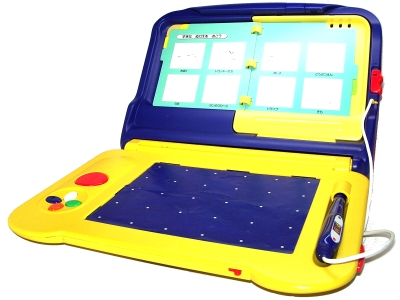
What was the Advanced Pico Beena?
The Pico’s successor, released in Japan on 6 August 2005 at ¥13,440 including tax. It kept the book-and-pen idea but added a 32-bit processor, two-player play, a save function and a pen that could be fitted on either side for left-handed children. It cannot play Pico cartridges. More →
How much did the games cost?
Only one price is on record for the games themselves: the last, Big Sports Meet!, had a recommended price of ¥4,095 including tax in 2010. The consoles cost ¥16,000 before tax for the Pico at its 1993 launch, ¥13,440 for the Beena in 2005 and ¥9,975 for the cut-down Beena Lite in 2008. More →
Who made the Pokémon Pico and Beena games?
Sega Toys, Sega’s toy company, published all seven under licence and developed most of them itself. The first, Catch the Numbers!, is credited to Arc System Works, the studio best known for the Guilty Gear fighting games. All seven are based on the anime, and the first two Pico games use the anime’s Japanese voice cast. More →
Which was the last Pokémon storyware game?
Pokémon Best Wishes: Intelligence Training Pokémon Big Sports Meet!, released for the Beena on 4 December 2010. It is the only one based on the Black and White era, teaching hiragana and English alongside thinking games, and it was also sold in a set with a Beena console. More →
The Pico and the Beena: how storyware worked
Neither of Sega’s educational consoles had a screen of its own or a joypad in the usual sense. Both were built for pre-school and early primary children, and each game was a picture book fixed to a cartridge, played on a pad with a pen while the television showed what was happening. The Pico launched in 1993 and the Beena took over from it in 2005, so the Pokémon games cover the last few years of the first machine and most of the life of the second.
The two consoles side by side
| Sega Pico | Advanced Pico Beena | |
|---|---|---|
| Launched in Japan | 26 June 1993 | 6 August 2005 |
| Launch price | ¥16,000 before tax | ¥13,440 including tax, with a storyware book in the box |
| Inside | Mega Drive-based hardware | A 32-bit ARM processor |
| Players | One (Loud Battle! came with a second controller) | One or two, with controls on both sides |
| The pen | A touch pen | A touch pen that fits on either side, for left-handed children |
| Saving | None | Save data and a clock on the console; SD cards through a dedicated reader |
| Television | Always needed | Optional: it doubles as a talking picture book |
| Cheaper model | – | Beena Lite, 17 July 2008, ¥9,975 (no AC adapter or software) |
| Pokémon games | Three, 2002–2004 | Four, 2005–2010 |
| Support ended | 29 October 2010 | Repairs ended in 2013 |
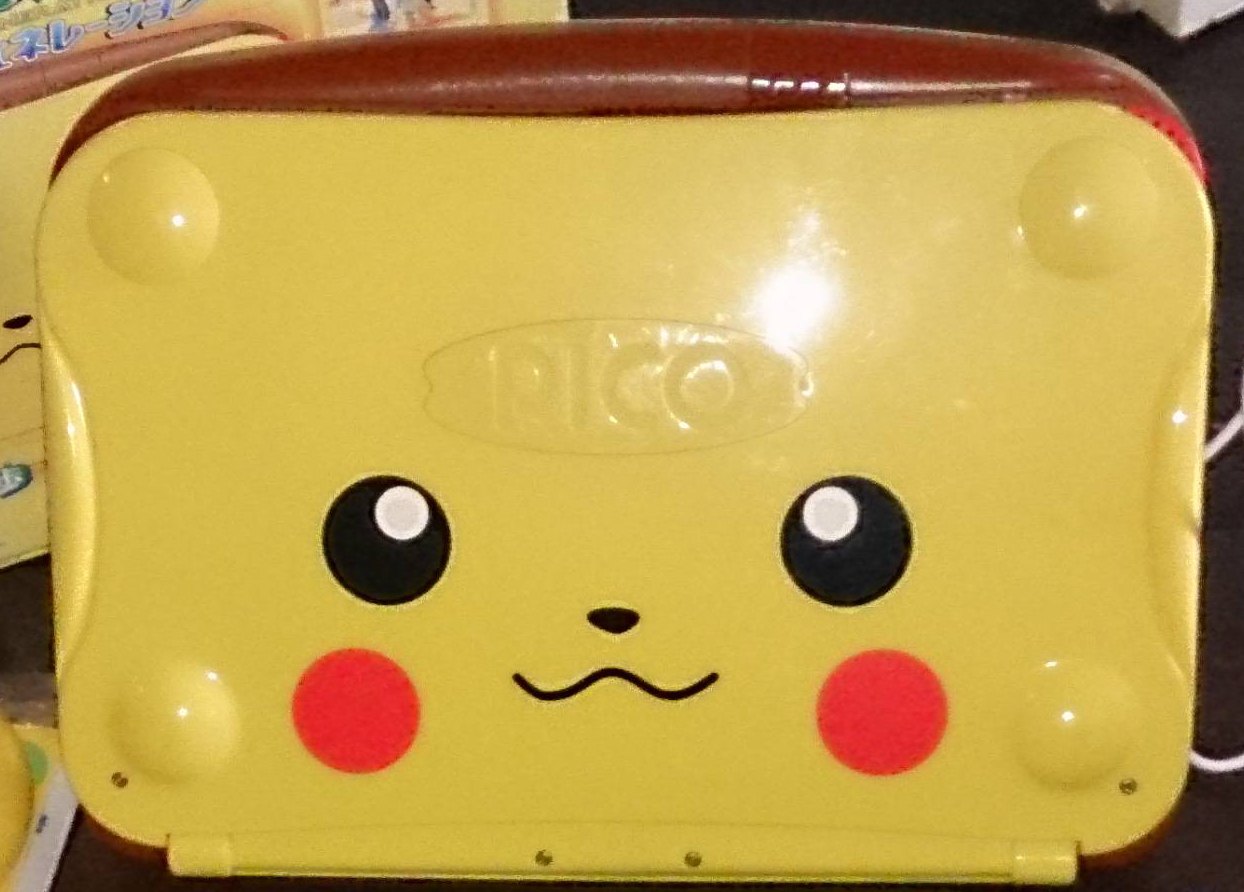
 Sega Pico
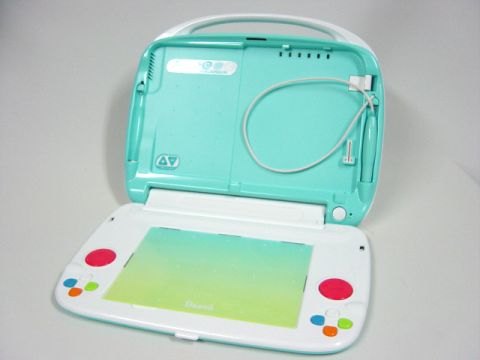
 Advanced Pico Beena
Pico and Beena cartridges are not interchangeable, so the Pokémon games split cleanly into three for the Pico and four for the Beena.
How the books and the pen worked
What the Beena changed
Timeline
Seven games in eight years, alongside the hardware they ran on. Every release was in Japan only:
| Date | Game or hardware | What happened |
|---|---|---|
| 26 June 1993 | Sega Pico | The Sega Pico launches in Japan |
| 23 July 2002 | Catch the Numbers! | The first Pokémon storyware, a counting book for the Pico set in the Johto episodes |
| 17 November 2003 | I’ve Begun Hiragana and Katakana! | A kana-writing book for the Pico, based on Advanced Generation |
| 13 July 2004 | Pico for Everyone Pokémon Loud Battle! | A two-player Pico game with a Pikachu controller in the box, the last Pokémon game for the Pico |
| 6 August 2005 | Advanced Pico Beena | The Beena launches in Japan and takes over from the Pico |
| 1 October 2005 | Pokémon Number Battle! | The first Pokémon game for the Beena, and the last from the Advanced Generation era |
| 2006/2007 | Letter and Number Intelligence Game | The first Diamond & Pearl title: a letters, numbers and thinking-games drill |
| 17 July 2008 | Beena Lite | The cheaper Beena Lite goes on sale at ¥9,975 |
| September 2009 | Search for Pokémon! Adventure in the Maze! | The second and last Diamond & Pearl game, built around mazes and hidden Pokémon |
| 29 October 2010 | Sega Pico | Sega Toys ends all support for the Pico |
| 4 December 2010 | Big Sports Meet! | The only Best Wishes game and the last Pokémon storyware, also sold in a set with a Beena |
| 2013 | Advanced Pico Beena | Sega Toys ends repair support for the Beena |
Pokémon: Catch the Numbers!
| Japanese title | ポケットモンスター すうじをつかまえよう! (Poketto Monsutā Sūji o Tsukamaeyō!) |
|---|---|
| Literally | “Pocket Monsters: Let’s Catch the Numbers!” |
| Console | Sega Pico (storyware cartridge) |
| Makers | Development credited to Arc System Works; published by Sega Toys |
| Released | 23 July 2002 (Japan only) |
| Players | 1 |
| Teaches | Numbers and counting |
| Status | Out of print; never re-released |
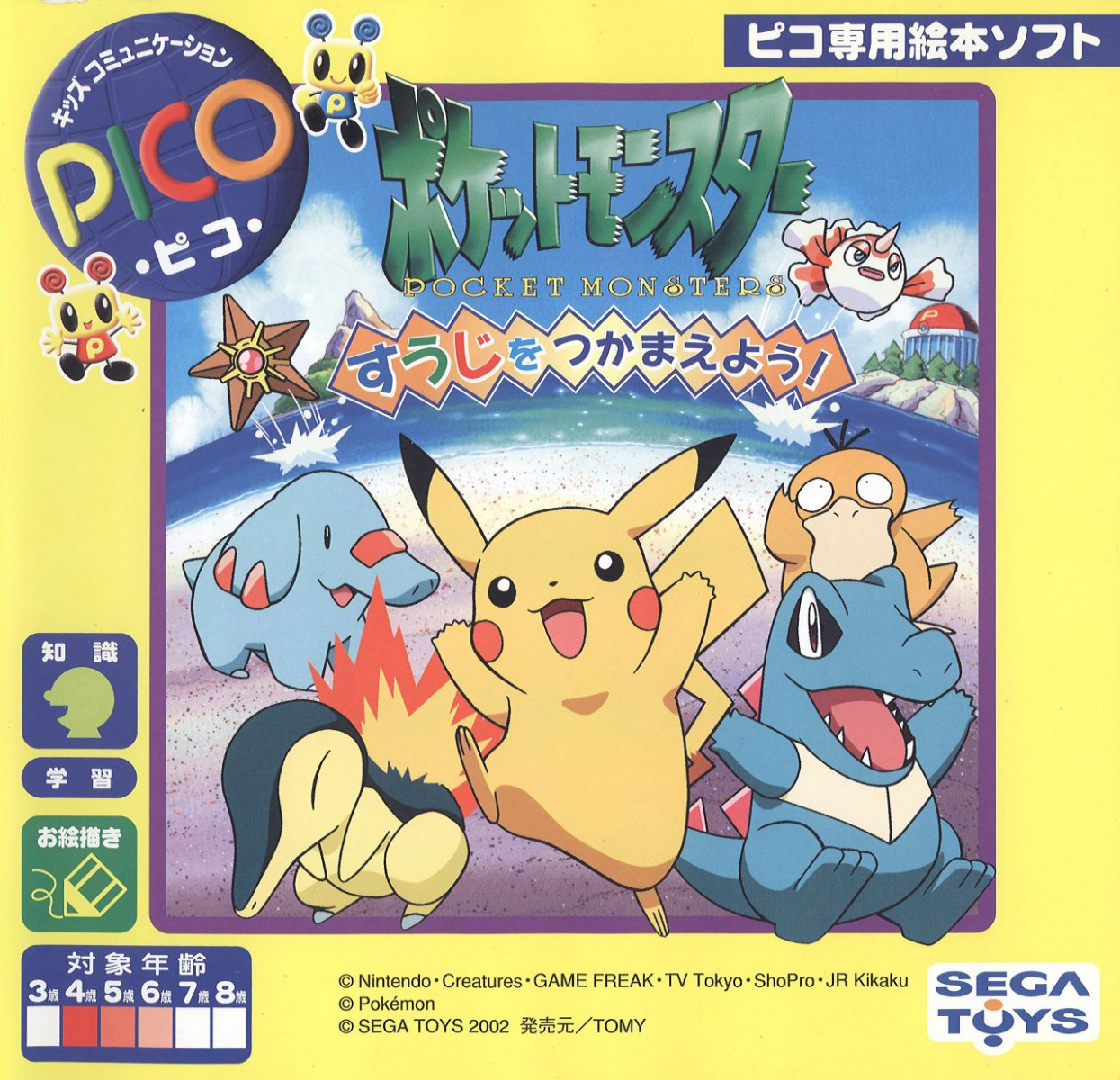
The first Pokémon game on any Sega console is a numbers book for the Pico, set during the Johto episodes of the anime. Team Rocket have made off with almost every Pokémon belonging to Ash, Misty and Brock, leaving only Pikachu and Togepi behind, and each one has to be won back by clearing a short mini-game. Most of the challenges are about numbers: counting creatures at sea, a catching game in the sky, lending Nurse Joy a hand and chasing Team Rocket in a lift. There is also a word game in a cave and a lullaby with Jigglypuff.
The book has five pages, one of them given over to free drawing, and the last rescue takes place in Team Rocket’s hideout. Once every Pokémon is safely home, the friends look up to see Ho-Oh flying overhead. The anime’s Japanese voice cast speaks throughout, and the title screen plays an instrumental arrangement of “Mezase Pokémon Master”, the anime’s first opening theme.
The Pokémon of the book, and where each stolen one is won back:
 PikachuLeft behind
 TogepiLeft behind; flower field
 TotodileCounting at sea
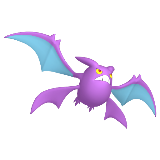 CrobatSky-catching game
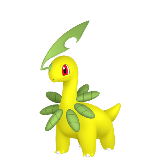 BayleefTogepi’s flower field
 PolitoedHelping Nurse Joy
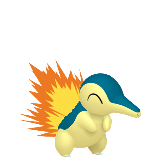 CyndaquilLift chase
 PhanpyJigglypuff’s lullaby
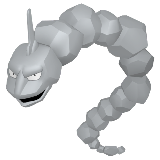 OnixShiritori in the cave
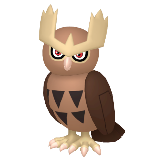 NoctowlTeam Rocket’s hideout
 ForretressTeam Rocket’s hideout
 GeodudeTeam Rocket’s hideout
 CorsolaTeam Rocket’s hideout
 GoldeenTeam Rocket’s hideout
 StaryuTeam Rocket’s hideout
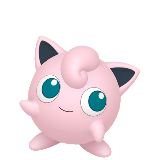 JigglypuffSings the lullaby
 Ho-OhFlies past at the end
Pokémon Advanced Generation: I’ve Begun Hiragana and Katakana!
| Japanese title | ポケットモンスター アドバンスジェネレーション ひらがな カタカナ かけちゃった! (Poketto Monsutā Adobansu Jenerēshon Hiragana Katakana Kakechatta!) |
|---|---|
| Literally | “Pocket Monsters Advanced Generation: I’ve Managed to Write Hiragana and Katakana!” |
| Console | Sega Pico (storyware cartridge) |
| Maker | Sega Toys |
| Released | 17 November 2003 (Japan only) |
| Players | 1 |
| Teaches | Reading and writing hiragana and katakana |
| Status | Out of print; never re-released |
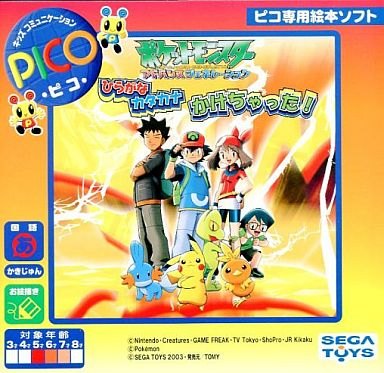
The second Pokémon Pico game moves on to the Advanced Generation anime and teaches children to read and write the two Japanese kana scripts. Team Rocket, in disguise, invite Ash, May, Max and Brock to take part in a “Pokémon Stage”, for which they will need 25 Pokémon. Before starting, the player picks hiragana or katakana on the book’s cover, and every Pokémon is caught by tracing a run of five kana correctly with the pen.
Page by page the story travels downriver on a raft, out to sea, where Latios and Latias appear, and into volcanic country that is home to Seviper, Whismur and Zangoose. On the last page Team Rocket drop the disguise and try to steal the catch, until Pikachu’s Thunderbolt sends them flying. The anime’s voice cast is back, and the title screen plays an instrumental of “Advance Adventure”, the first Advanced Generation opening theme.
Pokémon met along the way:
- PikachuCare game; Thunderbolt
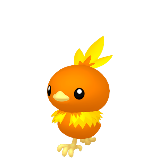 TorchicSlot machine
 MeowthScratch-card miss
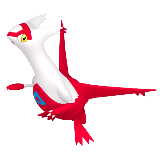 LatiasOut at sea
 LatiosOut at sea
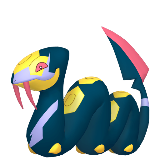 SeviperVolcanic area
 WhismurVolcanic area
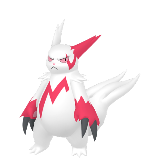 ZangooseVolcanic area
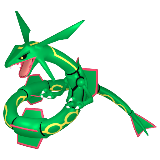 RayquazaFlying game
 JirachiThe final wish
Pokémon Advanced Generation: Pico for Everyone Pokémon Loud Battle!
| Japanese title | ポケットモンスター アドバンスジェネレーション みんなでピコ ポケモンわいわいバトル! (Poketto Monsutā Adobansu Jenerēshon Minna de Piko Pokemon Waiwai Batoru!) |
|---|---|
| Literally | “Pocket Monsters Advanced Generation: Pico Together! Pokémon Rowdy Battle!” |
| Console | Sega Pico, with a second controller in the box |
| Maker | Sega Toys |
| Released | 13 July 2004 (Japan only) |
| Players | 2 at once, using the bundled controller |
| Genre | Party mini-game collection |
| Status | Out of print; a complete copy includes the Pikachu controller |
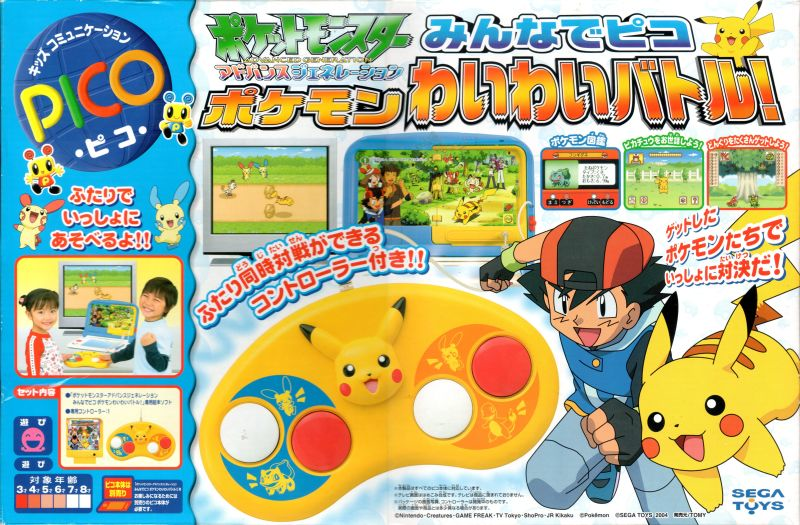
The third and last Pokémon game for the original Pico was made for two children playing together. Its box held an extra controller with Pikachu’s face set in the middle, which plugged into the Pico so that a second player could join in alongside the first, turning a console designed for one child and one pen into a head-to-head machine for brothers, sisters and friends. The title says as much: minna de means “everyone together”, and waiwai describes a noisy, lively crowd.
Set in the Advanced Generation era, the book mixes catching with competing. Winning mini-games catches Pokémon, and the Pokémon a player has caught can then be taken into later mini-games, so the collection built up over the book carries forward into the battles of the title. It arrived in July 2004, a year before the Beena, which built two-player play into the console itself.
Pokémon Advanced Generation: Pokémon Number Battle!
| Japanese title | ポケットモンスター アドバンスジェネレーション ポケモンすうじバトル!! (Poketto Monsutā Adobansu Jenerēshon Pokemon Sūji Batoru!!) |
|---|---|
| Literally | “Pocket Monsters Advanced Generation: Pokémon Number Battle!!” |
| Console | Advanced Pico Beena (storyware cartridge) |
| Maker | Sega Toys |
| Released | 1 October 2005 (Japan only) |
| Players | 1–2 |
| Teaches | Numbers |
| Status | Out of print; never re-released |
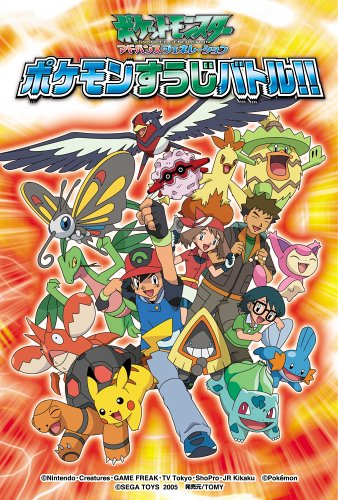
The first Pokémon game for the Advanced Pico Beena brings the Advanced Generation anime, and the numbers theme of Catch the Numbers!, to the new console. With two-player play now built into the hardware, no extra controller was needed: the Beena’s buttons are mirrored on both sides, so two children can play at once.
Little of its content has been recorded, but one mini-game is a jigsaw of six rectangular pieces that fit together, with the pen, into a picture of a Pokémon, a simple shape-and-space puzzle for the pre-school children the Beena was aimed at. It was the last Advanced Generation title on Sega’s educational consoles; the next Pokémon Beena game moved on to Diamond & Pearl.
Intellectual Training Drill Pokémon Diamond & Pearl: Letter and Number Intelligence Game
| Japanese title | 知育ドリル ポケットモンスター ダイヤモンド・パール もじ・かず・ちえあそび (Chiiku Doriru Poketto Monsutā Daiyamondo Pāru Moji Kazu Chie Asobi) |
|---|---|
| Literally | “Educational Drill Pocket Monsters Diamond & Pearl: Letters, Numbers and Thinking Games” |
| Console | Advanced Pico Beena (storyware cartridge) |
| Maker | Sega Toys |
| Released | 2006/2007 (Japan only) |
| Players | 1–2 |
| Teaches | Letters, numbers and reasoning |
| Status | Out of print; never re-released |
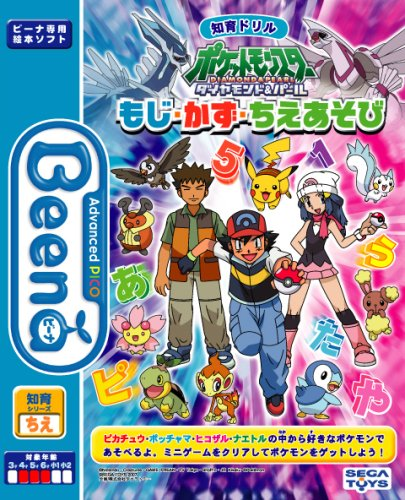
The first Diamond & Pearl game on Sega’s educational hardware is a learning drill for the Beena, released within a year of the Diamond & Pearl anime’s Japanese debut in September 2006. Its Japanese title sets out the syllabus: moji (letters), kazu (numbers) and chie asobi (thinking games), with chiiku doriru, “educational drill”, in front of the Pokémon name to mark it out as a workbook in software form.
That makes it the broadest of the seven, combining the reading practice of the Pico’s kana game with the counting of Catch the Numbers! and adding reasoning puzzles, all aimed at pre-school children and set in the world of the Sinnoh anime. Like the other Beena games it can be played by one child or two, but beyond its three subjects little has been recorded about its individual activities.
Pokémon Diamond & Pearl: Search for Pokémon! Adventure in the Maze!
| Japanese title | ポケットモンスター ダイヤモンド・パール ポケモンをさがせ!めいろでだいぼうけん! (Poketto Monsutā Daiyamondo Pāru Pokemon o Sagase! Meiro de Daibōken!) |
|---|---|
| Literally | “Pocket Monsters Diamond & Pearl: Find the Pokémon! A Great Adventure in the Maze!” |
| Console | Advanced Pico Beena (storyware cartridge) |
| Maker | Sega Toys |
| Released | September 2009 (Japan only) |
| Players | 1–2 |
| Genre | Puzzles: mazes and hidden Pokémon |
| Status | Out of print; never re-released |
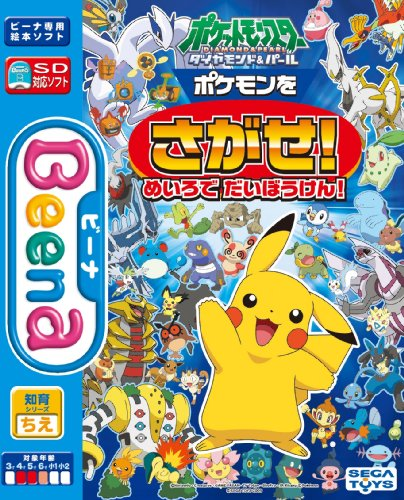
The second Diamond & Pearl game for the Beena arrived in September 2009, late in the Sinnoh anime’s run. Its title names the two kinds of play on offer: hunting for Pokémon hidden in the scenes and finding a way through mazes, both classic exercises in observation and planning for young children, and a natural fit for a pen that can trace a route or point at a hiding place, on the printed page or on the pad, while the television shows the scene. Where the earlier storyware concentrated on letters and numbers, this one is pitched as an adventure rather than a drill, and like the other Beena games it can be played by one child or two.
It is also one of the least documented Pokémon games of any kind: beyond its title, its console and its anime setting, almost nothing about its contents is on record.
Pokémon Best Wishes: Intelligence Training Pokémon Big Sports Meet!
| Japanese title | ポケットモンスター ベストウイッシュ 知能育成 ポケモン大運動会 (Poketto Monsutā Besuto Uisshu Chinō Ikusei Pokemon Dai-Undōkai) |
|---|---|
| Literally | “Pocket Monsters Best Wishes: Intelligence Development, the Great Pokémon Sports Day” |
| Console | Advanced Pico Beena (storyware cartridge); also sold in a set with the console |
| Maker | Sega Toys |
| Released | 4 December 2010 (Japan only) |
| Players | 1–2 |
| Teaches | Hiragana, basic English and thinking games |
| Price | ¥4,095 recommended retail price, including tax |
| Status | Out of print; listed by retailers as discontinued |
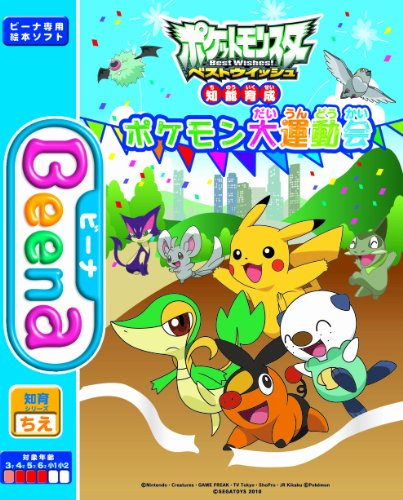
The seventh and last Pokémon storyware game is based on Best Wishes, the Japanese name for the anime series that accompanied Pokémon Black and White. The player guides Ash through a sports day of learning games, and every success is rewarded with a medal, giving young players a clear sense of how far they have come through the book.
It was sold on its own at a recommended ¥4,095 and in a Beena set that also held the console, an AC adapter and an AV cable for the television, with an SD card listed as an optional extra. Released in December 2010, it is the only Pokémon game from the Black and White era on Sega hardware, and it brought to a close eight years of Pokémon storyware that had begun on the Pico in 2002.
Trivia & facts
- Pokémon came late to the Pico: Catch the Numbers! arrived in July 2002, nine years after the console had launched in Japan, and only three Pokémon books were made for it before the Beena took over.
- The Catch the Numbers! cartridge holds a font that the finished game never uses.
-
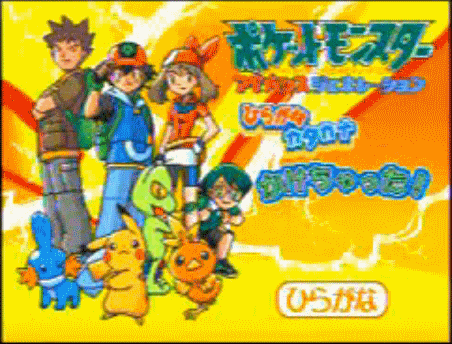
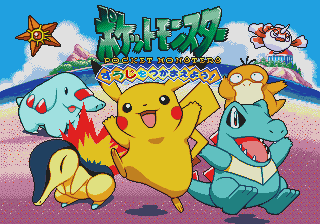
The kana game’s title screen. The literal meaning of the kana game’s Japanese title is closer to “I’ve managed to write hiragana and katakana!”, celebrating a child’s success rather than a first attempt.
- Three of the kana game’s stars were fresh from the cinema: Latios and Latias had headlined Pokémon Heroes, released in Japan in July 2002, and Jirachi had starred in Jirachi: Wish Maker, which opened there in July 2003, four months before the game.
- Number Battle! went on sale just eight weeks after the Beena itself, which launched on 6 August 2005.
- The Diamond & Pearl drill is the only one of the seven whose title calls it a drill, rather than an adventure, a battle or a sports day.
- Adventure in the Maze! came out in September 2009, the same month that HeartGold and SoulSilver launched on the Nintendo DS in Japan.
- Big Sports Meet’s undōkai is the Japanese school sports day, much like the British one, and the dai in front of it simply means big or great.
- The Pico itself did reach North America and Europe in the 1990s, but none of the Pokémon books ever followed it there.
Legacy
What came after
- End of Pico support – 29 October 2010. Sega Toys stopped all support for the Sega Pico in Japan
- The last Pokémon storyware – 4 December 2010. Big Sports Meet! closed the series on the Beena, and no Pokémon storyware has followed
- End of Beena repairs – 2013. Sega Toys stopped repairing the Advanced Pico Beena
- Noticed in the West – January 2015. Nintendo Life reported on Big Sports Meet! after footage was shared on Twitter, introducing a good many English-speaking fans to Pokémon on Sega’s children’s consoles
- A digital or modern re-release – no re-release yet. All seven games survive only as second-hand storyware
Where to play them today
None of the seven has ever been re-released, collected or sold digitally, so in October 2026 the only way to play them is on the original hardware: a Japanese Sega Pico for the first three, an Advanced Pico Beena or Beena Lite for the other four, plugged into a television, with the storyware itself bought second-hand. Copies, including the Pikachu Pico set and the Big Sports Meet! console set, still turn up on Japanese auction and second-hand sites, and a complete copy of Loud Battle! should still have its Pikachu controller. Pico emulation exists and Beena emulation is still incomplete, but no emulator can reproduce the books, which carry half of each game: the pictures, the pages to turn and the printed spots to touch with the pen. With Pico support gone since 2010 and Beena repairs since 2013, working consoles are now simply the ones that have survived.
How they were made
Sega Toys, Sega’s toy company, published all seven games under licence and developed six of them itself. The exception is the first, Catch the Numbers!, which is credited to Arc System Works, a studio far better known for Guilty Gear and its other fighting games, and an unusual name to find on a counting book for pre-schoolers. Rather than borrow from the main-series games, every title was built around the anime of its day, from Ash’s Johto travels to Best Wishes. The first two Pico games use the anime’s Japanese voice cast, and their title screens play its opening themes, “Mezase Pokémon Master” and “Advance Adventure”, while the later Beena games put the curriculum up front, with labels such as chiiku doriru (educational drill) and chinō ikusei (intelligence development) in their titles.
Further reading
More of the smaller and stranger corners of Pokémon gaming on the site: